
Taming the Thorny Beauty: A Guide to Propagating Biancaea Decapetala
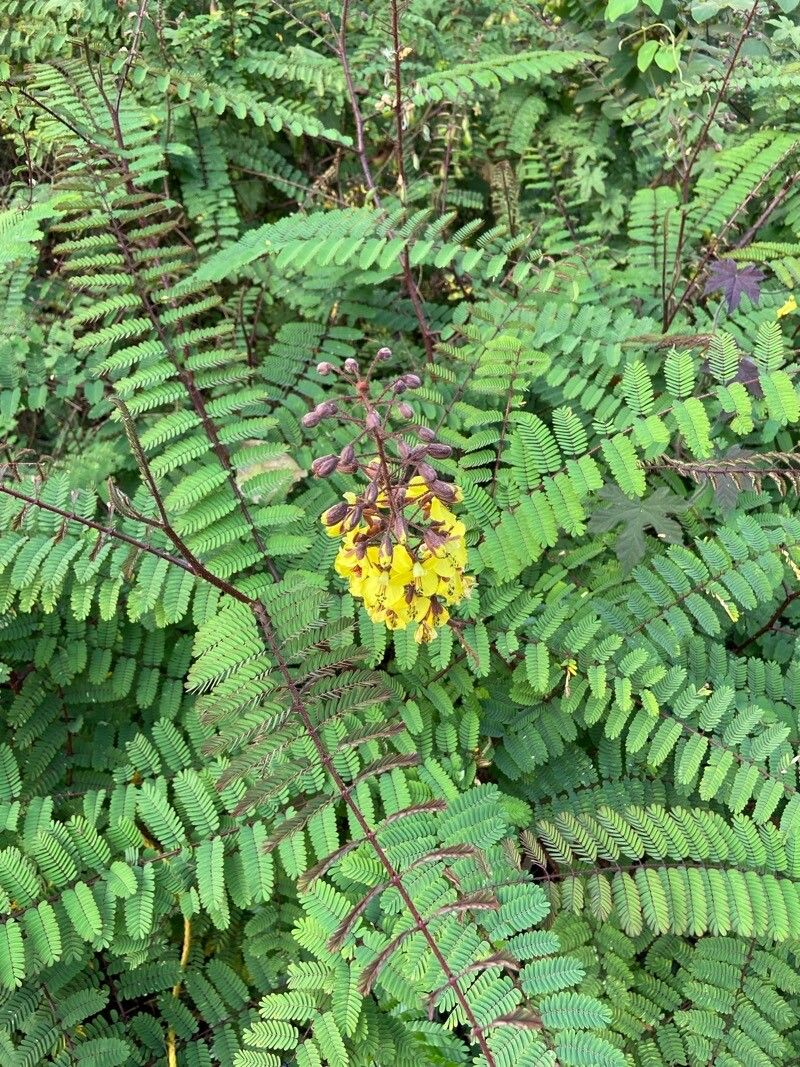
Biancaea decapetala, better known as the shoofly or catclaw mimosa, is a captivating plant that grabs attention with its feathery foliage and striking, pom-pom like flowers. This climbing shrub, however, has a prickly personality thanks to its sharp thorns. While this might deter some, those seeking a rewarding challenge will find propagating Biancaea decapetala to be a fulfilling endeavor.
Before we dive into propagation, it’s important to note that Biancaea decapetala can be invasive in certain regions. Always check your local regulations and plant responsibly to avoid disrupting the local ecosystem.
Unveiling the Propagation Secrets
You can welcome new Biancaea decapetala plants into your garden through two primary methods:
1. Seed Propagation: Taming the Wild Side
This method mimics the plant’s natural reproductive cycle and requires a bit more patience. Here’s how it’s done:
- Seed Collection: Collect mature seed pods directly from the plant. The pods will be brown and dry when ready.
- Scarification: Biancaea decapetala seeds have a hard outer shell that requires scarification to enhance germination. You can nick the seed coat with a file or sandpaper, or soak the seeds in hot water for 24 hours.
- Sowing: Plant the scarified seeds in a well-draining seed-starting mix, burying them about half an inch deep.
- Patience is Key: Germination can take anywhere from a few weeks to a few months. Maintain consistent moisture and a warm environment (around 70°F) during this period.
2. Cuttings: A Faster Path to Success
Propagating from cuttings offers a quicker route to new plants and avoids the variability of seed germination. Follow these steps:
- Timing is Crucial: Take cuttings during the plant’s active growing season, ideally in late spring or early summer.
- Selecting the Right Cuttings: Choose healthy, semi-hardwood stems that are about 4-6 inches long. Look for stems that snap cleanly rather than bending.
- Prep the Cuttings: Remove leaves from the bottom inch of the cutting to prevent rot. Dip the cut end in rooting hormone to encourage root development.
- Planting and Care: Plant the cuttings in a well-draining potting mix, burying the bottom node (where the leaves were removed). Keep the soil consistently moist and provide indirect sunlight.
- Rooting Success: In 4-6 weeks, gently tug on the cutting. If you feel resistance, roots have likely formed.
Nurturing Your New Sprouts
Once your Biancaea decapetala propagules, whether from seeds or cuttings, show signs of growth, it’s time to shower them with care:
- Gradual Transition: Slowly acclimatize your young plants to outdoor conditions before transplanting them into the ground.
- Sunlight Requirements: Biancaea decapetala thrives in full sun to partial shade. Choose a location that provides at least 6 hours of sunlight per day.
- Watering Needs: Water deeply and less frequently, allowing the soil to dry out slightly between waterings.
- Support Structure: Since Biancaea decapetala is a climbing shrub, provide a sturdy trellis, fence, or other structures for it to scramble upon.
A Rewarding Challenge
Propagating Biancaea decapetala might seem daunting at first but the reward of nurturing these unique plants from seed or cutting far outweighs the effort. With a touch of patience and the right techniques, you can successfully tame this thorny beauty and enjoy its showy blooms and delicate foliage in your own garden.