
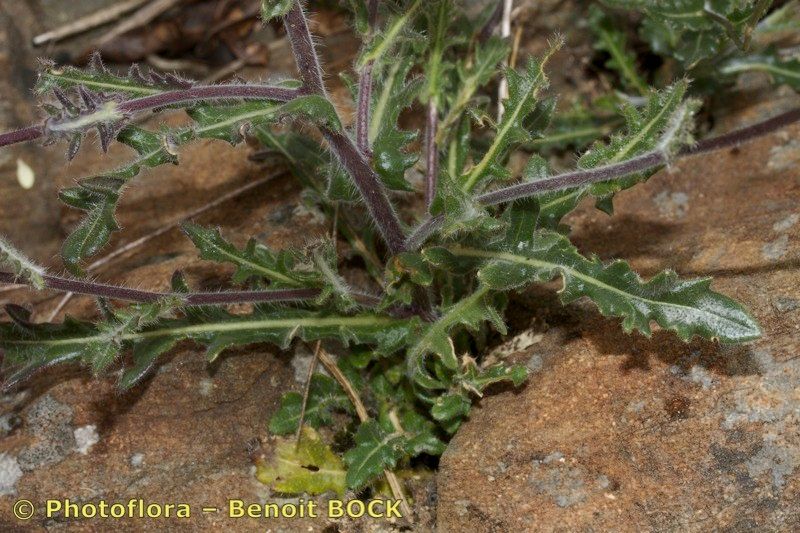
Unveiling the Secrets of the Biscuit Flower: A Guide to Propagating Biscutella sclerocarpa
Imagine a plant with unique, coin-shaped seed pods resembling miniature biscuits. Intrigued? Meet the Biscutella sclerocarpa, a captivating member of the Brassicaceae family, also known as the “biscuit flower.” This drought-tolerant perennial, with its delicate yellow blooms and intriguing seed pods, is a charming addition to rock gardens, borders, and wildflower meadows. While you can often find seeds commercially, propagating Biscutella sclerocarpa at home can be a rewarding experience for any plant enthusiast. Let’s explore the two primary methods:
1. Seed Propagation: Embracing the Cycle of Life
Spring is the ideal time to sow Biscutella sclerocarpa seeds. Follow these steps to maximize germination success:
- Sowing: Choose a well-drained seed starting mix or a mixture of peat moss and perlite. Sprinkle the seeds on the surface, pressing them gently to ensure good contact, but avoid burying them deeply as they require light to germinate.
- Conditions: Place your seed tray in a bright location, but out of direct sunlight. The ideal temperature range is between 65°F to 75°F (18°C-24°C).
- Moisture: Keep the soil consistently moist, but not waterlogged, using a spray bottle to prevent dislodging the seeds.
- Germination: Patience is key! Germination can take anywhere from 2 weeks to 2 months.
- Thinning: When the seedlings develop their first true leaves, thin them out to provide adequate spacing for growth.
- Transplanting: Once the seedlings are a few inches tall and the risk of frost has passed, harden them off gradually by introducing them to outdoor conditions for increasing periods. Transplant them into your garden with well-drained soil and spacing of about 12 inches apart.
2. Cutting Propagation: A Quicker Path to New Plants
For a faster method of propagation, particularly if you want to replicate the characteristics of a specific plant, cuttings are a viable option:
- Timing: Take cuttings in the spring or early summer from healthy, non-flowering stems.
- Preparing Cuttings: Using a sharp, sterilized knife or pruning shears, cut a 3-4 inch section of stem just below a leaf node. Remove the lower leaves, leaving a few at the top.
- Rooting Hormone (Optional): Dipping the cut end in rooting hormone can increase the chances of successful rooting, but it’s not mandatory.
- Planting: Insert the cuttings into a well-draining rooting mix, burying the bottom node.
- Environment: Maintain moisture and provide indirect sunlight or grow lights.
- Rooting: Within several weeks, the cuttings should develop roots. You can check by gently tugging on the stem.
- Transplanting: Once the roots are established, transplant the new plants into your garden or larger pots.
Nurturing Your Biscuit Flower
Biscutella sclerocarpa thrives in full sun to partial shade. It prefers well-drained soil and is quite drought-tolerant once established. During the growing season, water moderately, allowing the soil to dry out slightly between waterings. Deadheading spent flowers can encourage more blooms and prevent self-seeding if desired.
Whether you choose to propagate by seed or cuttings, nurturing this fascinating plant is a rewarding endeavor. With a little patience and care, you can enjoy the unique beauty of Biscutella sclerocarpa and its charming “biscuits” in your garden landscape.