
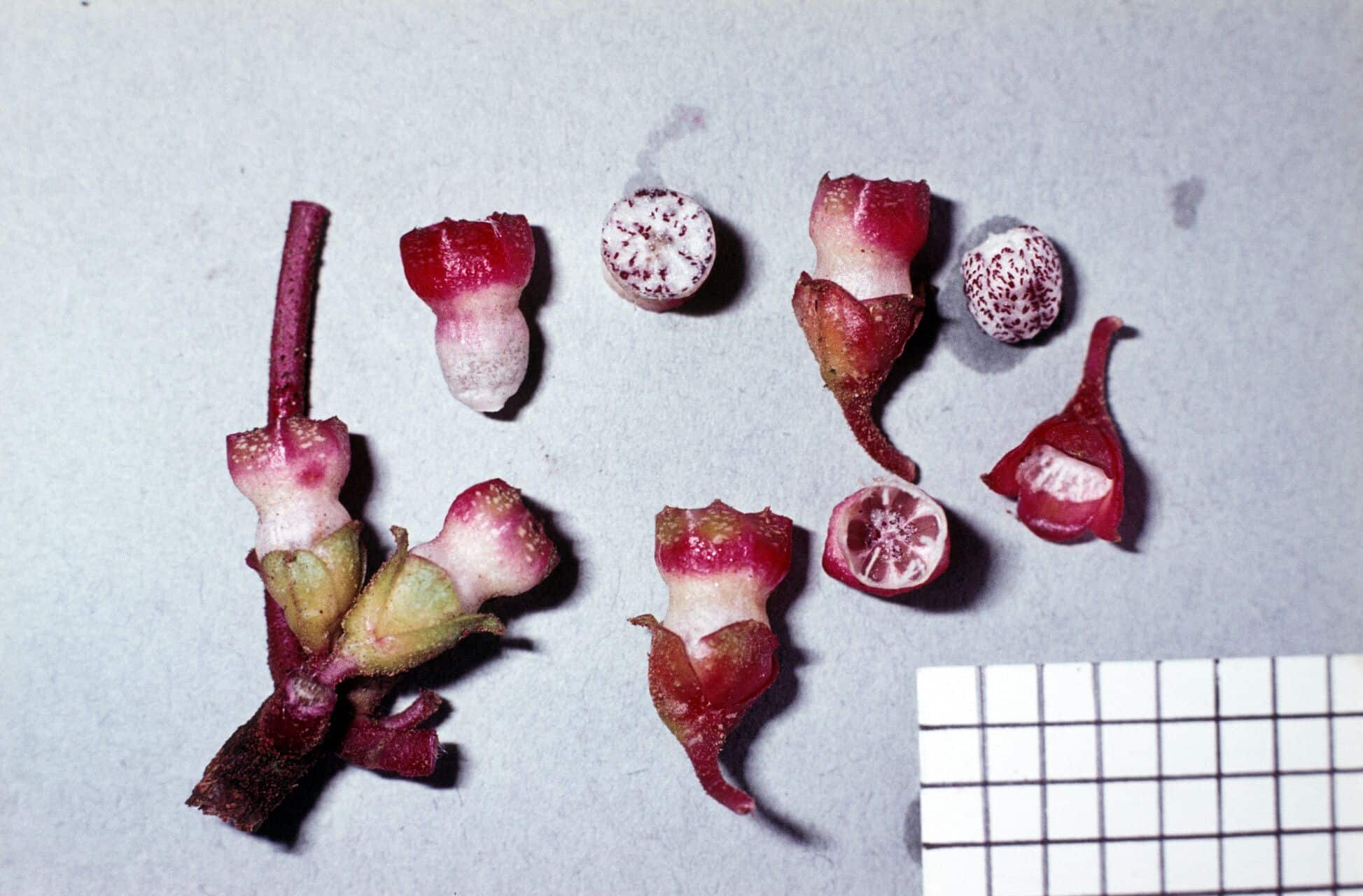
Unveiling the Secrets of Blakea Parasitica Propagation: A Guide for Plant Enthusiasts
The Blakea parasitica, also known as the “Inga parasite,” is a captivating epiphytic shrub native to the captivating cloud forests of Central and South America. Famed for its vibrant, brush-like flowers and intriguing parasitic nature, cultivating this exotic beauty might seem like a daunting task. Fear not, fellow plant lovers! This guide unveils the secrets to successfully propagating Blakea parasitica and welcoming its unique charm into your own home.
Understanding the Nature of the Beast (or Plant, Rather)
Before embarking on your propagation journey, it’s crucial to understand Blakea parasitica’s unique life cycle. Unlike typical parasitic plants, it doesn’t directly steal nutrients from its host. Instead, it forms a symbiotic relationship, attaching itself to trees for structural support and accessing sunlight filtering through the canopy. This fascinating characteristic plays a crucial role in its propagation.
Two Paths to Propagation
There are two primary methods for propagating Blakea parasitica:
1. Seed Propagation: A Test of Patience
- The Challenge: While Blakea parasitica produces berries containing tiny seeds, germinating them can be akin to winning a botanical lottery. Patience is your greatest ally here.
The Process:
- Extract seeds from ripe berries and clean them thoroughly.
- Prepare a well-draining growing medium mimicking its natural epiphytic environment (a mix of sphagnum moss, perlite, and orchid bark works well).
- Scatter seeds on the surface, mist lightly, and enclose the container in a plastic bag to create a humid environment.
- Place in a warm, brightly lit location (out of direct sunlight) and wait. Germination can take several weeks, even months.
- Pro-tip: Simulating the conditions of its natural cloud forest habitat – high humidity and dappled light – will significantly improve your chances of success.
2. Stem Cuttings: A Faster Route
- The Advantage: Propagating from stem cuttings offers quicker results and is the preferred method for most plant enthusiasts.
- The Process:
- Select a healthy, semi-woody stem from the current year’s growth.
- Make a clean cut below a leaf node using sterilized pruning shears.
- Remove leaves from the lower portion of the cutting.
- Dip the cut end in rooting hormone (optional but recommended).
- Plant the cutting in a well-draining medium, ensuring the leaf nodes are buried.
- Cover the cutting with a plastic bag to maintain high humidity and place it in a warm, bright location away from direct sunlight.
- Pro-tip: Check for root development after a few weeks. Once roots establish, you can transplant your Blakea parasitica into a larger container.
Nurturing Your Blakea Parasitica
Successfully propagating your Blakea parasitica is just the beginning. To ensure its continued growth and ultimately witness its glorious blooms, mimic its natural environment as closely as possible:
- Light: Provide bright, indirect light.
- Watering: Keep the growing medium consistently moist but not waterlogged.
- Humidity: High humidity is crucial. Regular misting or using a humidifier is beneficial.
- Support: Remember its epiphytic nature. Provide a structure for your plant to climb, such as a moss pole or a small trellis.
Propagating Blakea parasitica might require patience and dedication, but the reward of witnessing this striking plant thrive in your care makes the effort utterly worthwhile. So, gather your gardening tools and embark on this exciting botanical adventure!