
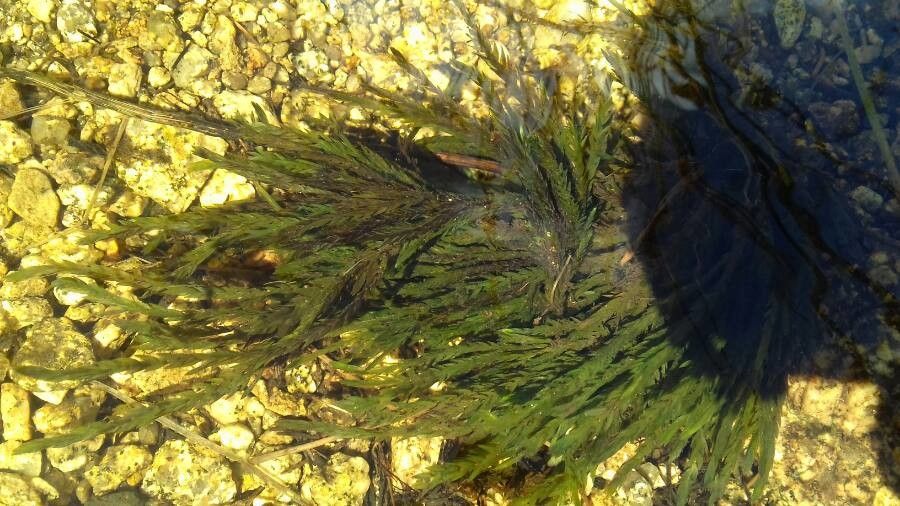
Propagating Blechnum francii: A Gardener’s Guide to the Slender Brake Fern
Introduction
Blechnum francii, commonly known as the Slender Brake Fern, is a striking evergreen fern prized for its elegant, upright fronds and relatively compact habit. Originating from New Caledonia, this fern adds a touch of tropical sophistication to gardens and containers, making it a popular choice among fern enthusiasts. However, its propagation presents certain challenges, influencing its availability and perhaps contributing to its allure. Unlike some readily propagated ferns, Blechnum francii doesn’t readily lend itself to simple methods, requiring patience and precision.
Seed Germination
Currently, there are no known reliable methods for seed germination propagation of Blechnum francii. While the plant does produce spores, the germination rates are reportedly extremely low, making this an impractical method for most gardeners. Further research into the specific germination requirements of Blechnum francii spores would be needed to establish a viable seed-based propagation technique.
Cuttings
Cuttings are similarly unlikely to succeed with Blechnum francii. This fern doesn’t readily produce adventitious roots from stem or frond cuttings. The delicate nature of the fronds also makes them prone to desiccation before root development can occur. Therefore, vegetative propagation through cuttings isn’t a recommended method.
Division
Division offers the most promising method for propagating Blechnum francii. Mature, established plants can be carefully divided, resulting in several smaller, independent plants.
Challenges: The rhizome of Blechnum francii is relatively delicate and can easily break during division. It is crucial to use a sharp, sterile tool and handle the plant with great care to avoid damaging the root system.
Practical Tips: The best time for division is during the spring or early summer when the fern is actively growing. Ensure each division possesses a healthy section of rhizome and several healthy fronds. Plant the divisions into a well-draining, moisture-retentive potting mix, keeping them consistently moist but not waterlogged.
Rewards: Division offers a relatively quick way to increase the number of plants, resulting in a higher success rate compared to other methods. It preserves the genetic characteristics of the parent plant.
Tissue Culture
Tissue culture offers a potentially efficient method for large-scale propagation of Blechnum francii, although it requires specialized equipment and expertise.
Challenges: Establishing sterile culture conditions and identifying the optimal growth media and hormone concentrations are crucial for success. This method involves a significant upfront investment in equipment and training.
Practical Tips: Tissue culture techniques are best implemented in a laboratory setting with appropriate equipment and aseptic techniques to prevent contamination. Specialized knowledge of plant tissue culture is essential for success.
Rewards: Tissue culture offers the potential for large-scale propagation, preserving genetic uniformity, and rapid multiplication of valuable cultivars.
Conclusion
Propagating Blechnum francii presents significant challenges. While seed germination and cuttings are currently impractical, division offers the most accessible method for the home gardener, albeit requiring careful technique. Tissue culture provides the most promising option for large-scale propagation but necessitates specialized knowledge and resources.
The rewards of successfully cultivating this elegant fern, however, are significant. The unique satisfaction derived from nurturing a propagated plant, especially one that proves stubbornly resistant to conventional methods, is a source of immense pride for the dedicated gardener. Do not be discouraged by the initial hurdles; patiently working with division, while appreciating the specific needs of Blechnum francii, makes for a rewarding horticultural journey. Remember to prioritize careful handling and consistently moist conditions, and you will be well on your way to enjoying the beauty of multiple Slender Brake Ferns in your garden.