
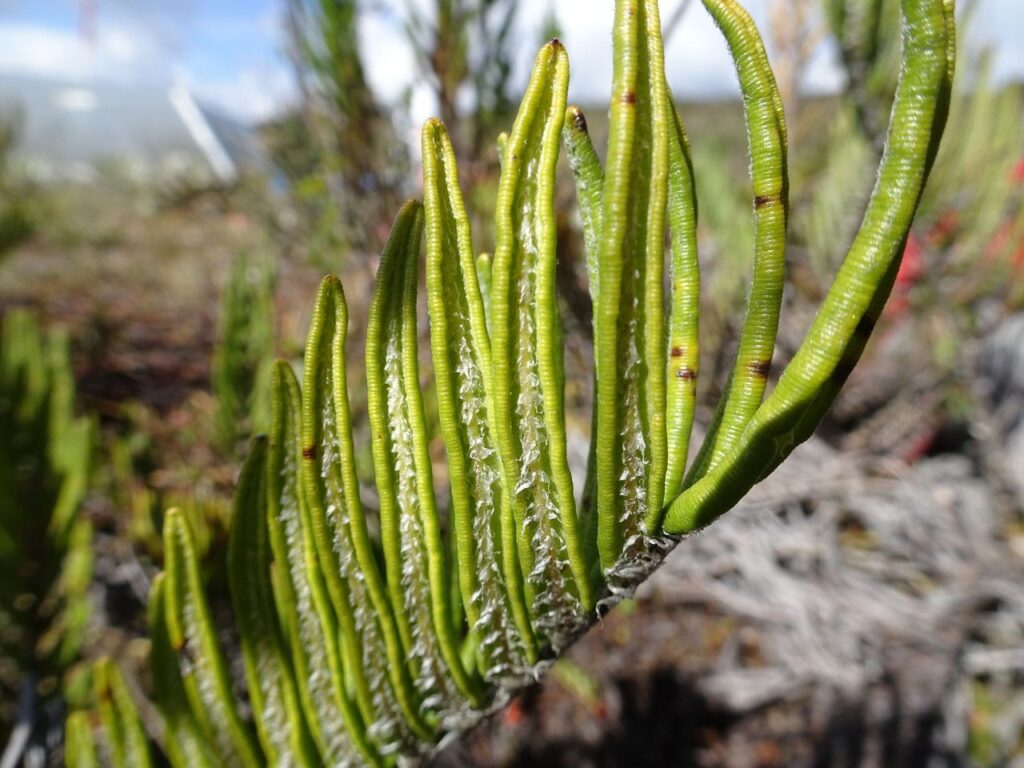
The Secret to Growing More ‘Blechnum loxense’: Mastering the Art of Propagation
The Blechnum loxense, with its graceful, fern-like fronds, is a beautiful addition to any home or garden space. But what if you could expand your collection of this delightful plant? Enter propagation, a process that allows you to grow new plants from existing ones. While it might sound intimidating, propagating Blechnum loxense is surprisingly easy and rewarding.
This article will explore two of the most successful methods for propagating this fern: spore propagation and division. Each approach offers unique advantages and challenges, and understanding their differences will help you choose the best method for your needs.
1. Spore Propagation: A Patience-Testing Adventure
Blechnum loxense, like all ferns, doesn’t produce seeds. Instead, they reproduce through tiny spores found on the underside of their fronds. While this method may seem complex, it’s a fascinating way to start new plants.
Here’s how to do it:
- Collect the spores: Locate the spores on the underside of mature fronds, often appearing as brown or rusty patches. Gently scrape them onto a sheet of paper.
- Prepare the growing medium: A mix of equal parts peat moss, vermiculite, and perlite is ideal. Sterilize the mixture to prevent contamination.
- Seed the spores: Spread the spores evenly on the surface of the growing medium and cover them with a thin layer of plastic wrap to maintain humidity.
- Patience is key: Keep the container in a warm, humid environment with indirect light. Spore germination can take several weeks, and it’s important to maintain consistent moisture and temperature.
Benefits:
- Genetic diversity: Spore-grown plants often exhibit variations, offering a chance to cultivate unique ferns.
- Fulfilling process: Observing the intricate lifecycle of a fern from spore to mature plant is a rewarding experience.
Challenges:
- Time-intensive: Germination takes considerable time and patience.
- Highly sensitive: The spores are vulnerable to fungal infections and mold.
2. Division: A Quick and Easy Option
Division is a simpler and faster method for propagating Blechnum loxense, ideal for those seeking instant gratification.
Here’s how it’s done:
- Choose a healthy plant: Select a mature Blechnum loxense with several well-established fronds.
- Carefully divide the plant: Using a sharp, sterile knife, gently separate the plant into sections, ensuring each division has healthy roots and fronds.
- Repot the divisions: Plant the divisions in individual pots filled with a well-draining potting mix.
- Provide care: Water thoroughly and keep the plants in a shaded, humid location until they establish themselves.
Benefits:
- Fast results: New plants quickly develop into mature specimens.
- Easy to manage: The process is relatively straightforward, even for beginner gardeners.
Challenges:
- Limited quantity: Division produces fewer plants than spore propagation.
- Stress on parent plant: Dividing the plant can sometimes stress the parent, requiring extra care.
Conclusion:
Propagating Blechnum loxense is a rewarding experience for any plant enthusiast. Whether you choose the patient route of spore propagation or the quick and easy method of division, you’ll discover the joy of creating new life and expanding your fern collection. Remember to carefully select your methods, provide proper care, and enjoy the magic of propagation!