
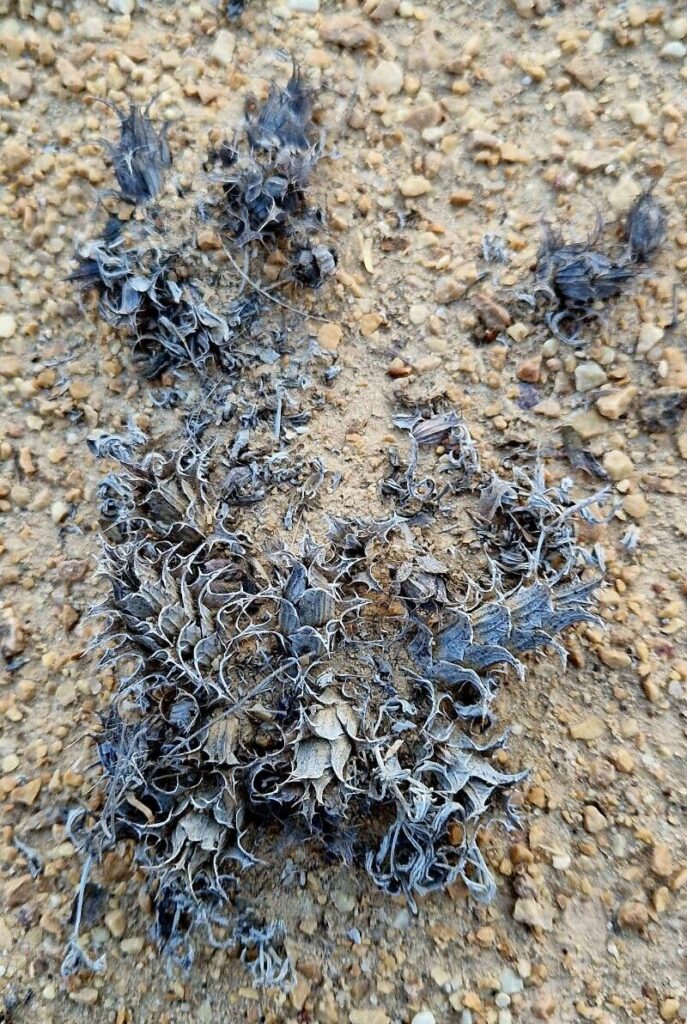
Waking the Sleeping Beauty: Propagating the Eyelash Beggarweed (Blepharis ciliaris)
The Eyelash Beggarweed (Blepharis ciliaris), with its delicate purple flowers and intriguing seed dispersal, might not be a household name in the gardening world, but it deserves a closer look. This resilient groundcover, native to Africa, Asia, and Australia, offers an intriguing option for xeriscaping and adding a touch of the exotic to your garden. And the best part? Propagating Blepharis ciliaris is an exciting journey that can be easily undertaken by both seasoned gardeners and curious beginners.
Understanding the Secrets of the “Exploding Seed”
Before diving into propagation, let’s unravel the unique characteristic that gives this plant its common name – “beggarweed.” After flowering, Blepharis ciliaris produces pods filled with seeds. These pods have a remarkable ability to explosively launch their contents when touched or exposed to moisture, hence the term “exploding seed.” This fascinating mechanism ensures the seeds are dispersed away from the parent plant, increasing their chances of successful germination.
Two Paths to Propagation: Seeds and Cuttings
While the “exploding seed” mechanism is fascinating, you thankfully don’t have to chase after airborne seeds to propagate this beauty. You can either harness the power of the seeds directly or opt for the relatively simpler method of stem cuttings.
1. Seed Propagation: Embracing the Element of Surprise
- Harvesting: Collect mature seed pods before they burst open. You’ll recognize them by their dry, brown appearance. To avoid getting launched with seeds, gently cover the pods with a light cloth or bag before detaching them.
- Sowing: Sow seeds in a well-draining seed starting mix, lightly pressing them into the surface. Don’t bury them deeply, as light aids germination.
- Conditions: Mist the soil regularly, keeping it consistently moist but not waterlogged. Blepharis ciliaris seeds thrive in warm temperatures (around 70-75°F or 21-24°C).
- Germination: Patience is key, as germination can take anywhere from a few weeks to a couple of months.
2. Stem Cuttings: A Faster Route to Success
- Taking Cuttings: In spring or early summer, take 3-4 inch cuttings from healthy, non-flowering stems. Make clean cuts just below a leaf node.
- Preparing the Cuttings: Remove the lower leaves, leaving only a couple at the top. Dip the cut end in rooting hormone (optional but recommended) to encourage faster root development.
- Planting: Insert the cuttings into a pot filled with a well-draining mix of peat moss and perlite.
- Creating Humidity: Cover the pot with a plastic bag or a humidity dome to create a warm, humid environment that promotes rooting.
- Rooting: Keep the soil consistently moist and provide bright, indirect light. Roots should develop in 4-6 weeks. You can then transplant your rooted cuttings into individual pots or your garden.
Caring for your Blepharis ciliaris:
Whether you choose seeds or cuttings, caring for your Blepharis ciliaris is relatively easy. This drought-tolerant plant prefers full sun to partial shade. It thrives in well-drained soil and requires minimal watering once established.
Propagating Blepharis ciliaris is a rewarding experience that connects you with the fascinating world of plant reproduction. So why not add a touch of wonder to your garden with this unique and low-maintenance plant?