
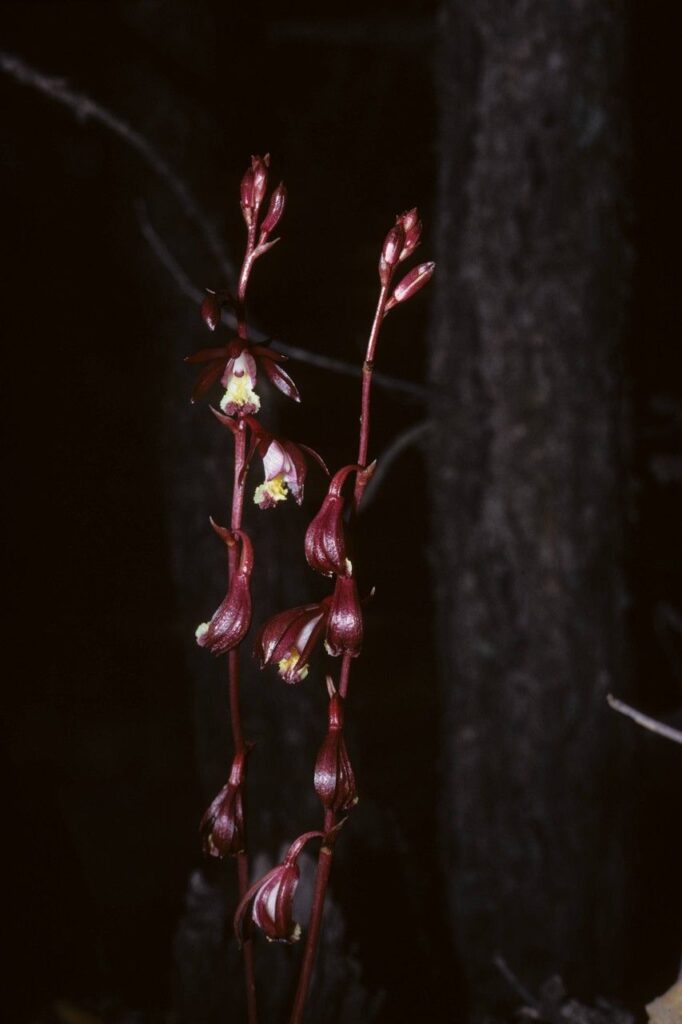
Unlocking the Secrets to Propagating Bletia warnockii, The Orchid with a Mystical Touch
Bletia warnockii, with its captivating beauty and mystical charm, has captivated orchid enthusiasts for decades. But for those wanting to share its wonder, the prospect of propagation can seem daunting. Fear not! In this guide, we’ll delve into the secrets of successfully propagating these mesmerizing orchids.
The Intriguing Lifecycle of Bletia warnockii:
Understanding the plant’s lifecycle is crucial for effective propagation. Bletia warnockii is a terrestrial orchid, which means it grows in the ground, not as an epiphyte on a tree. Its fascinating life cycle involves a unique symbiotic relationship with mycorrhizal fungi. The fungus helps the orchid germinate and grow, creating a fascinating dance between these two organisms.
Propagation Methods and Techniques:
While Bletia warnockii can be propagated through seed, it’s a lengthy and challenging process. For most enthusiasts, two main methods are preferred: division and pseudobulb cuttings.
1. Division:
This method, best performed during the dormant season, involves gently separating the orchid’s clumps into smaller divisions, each with its own roots and pseudobulbs.
Here’s how to do it:
- Choose a healthy plant: Select a mature plant with multiple pseudobulbs and well-established roots.
- Carefully divide: Using a sharp, sterilized knife, gently separate the plant, ensuring each division has at least 3-4 pseudobulbs and substantial roots.
- Repot: Pot each division in a well-draining, nutrient-rich orchid potting mix.
- Keep moist and shaded: Maintain a slightly humid environment and avoid direct sunlight for a few weeks until new growth emerges.
2. Pseudobulb Cuttings:
This technique takes advantage of the orchid’s ability to produce new shoots from its pseudobulbs. It often involves harvesting matured, but not flowering, pseudobulbs.
Here’s how it works:
- Harvest the pseudobulb: Cut a mature pseudobulb from the plant, leaving a thin layer of tissue attached to the main plant.
- Prepare for divisions: Let the harvested pseudobulb dry for a few days.
- Cut the pseudobulb: With a sharp knife, cut the pseudobulb into sections, each containing a single growth node (the point where new shoots emerge).
- Plant the sections: Place these sections horizontally on a moistened medium like sphagnum moss or vermiculite in a humid environment. Keep the medium damp but not waterlogged.
- Wait patiently: New growths should eventually appear from the nodes. Once the new growths have developed roots, they can be potted individually.
Essential Considerations for Success:
- Mycorrhizal fungi: While not always essential, introducing mycorrhizal fungi through a dedicated fungal solution or fungal-rich potting mix can greatly benefit the growth and health of the propagated Bletia warnockii.
- Light and humidity: Provide a location with indirect sunlight and moderate humidity, as these orchids thrive in conditions similar to their natural habitat.
- Watering: Water regularly, allowing the potting medium to dry slightly between waterings. Avoid overwatering, as it can lead to root rot.
Patience is Key:
Propagating Bletia warnockii requires patience and dedication. While it might take some time for new plants to establish, the rewarding experience of watching them flourish is well worth the effort. By following these guidelines, you can successfully nurture and share the beauty of this enchanting orchid with others, ensuring its captivating presence continues to grace homes and gardens worldwide.