
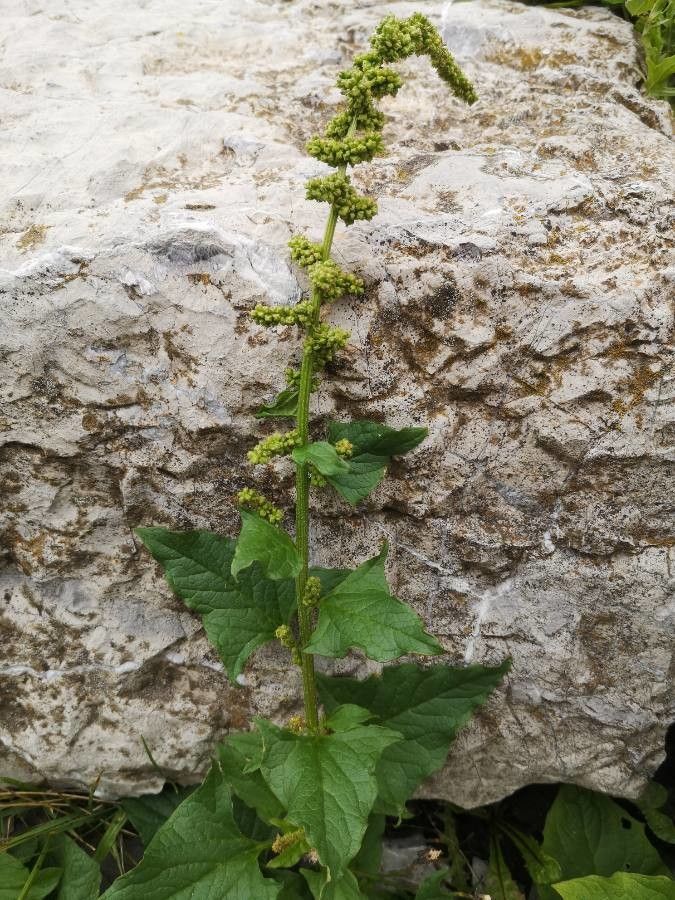
From Seed to Supper: A Guide to Propagating Good King Henry
Good King Henry (Blitum bonus-henricus), with its spinach-like leaves and history dating back to ancient times, is experiencing a resurgence in popularity. This versatile, nutritious green is not just delicious but also surprisingly easy to grow. And the best part? You can easily propagate it yourself, ensuring a steady supply of this culinary treasure.
The Power of Seed:
Good King Henry, like many other members of the Amaranth family, thrives from seed. In fact, it’s so easy to grow from seed that many consider it a “self-seeder” – meaning once planted, it tends to readily repopulate itself!
Starting Seeds Indoors:
For an early harvest, begin your Good King Henry journey indoors. Here’s how:
- Timing: Start seeds 6-8 weeks before your last frost date.
- Seed Starting Mix: Use a well-draining seed starting mix.
- Planting: Sow seeds about ¼ inch deep. Thin seedlings to about 4 inches apart.
- Light: Place trays in a sunny location or under grow lights.
- Watering: Keep the soil consistently moist, but not waterlogged.
- Hardening Off: When the weather warms, move your seedlings outdoors for a few hours each day, gradually increasing their time outside. This helps them acclimatize to the conditions.
Direct Sowing In the Garden:
If you prefer to sow directly, wait until the soil has warmed after the last frost.
- Location: Choose a sunny or partially shaded spot with well-drained soil.
- Planting Depth: Sow seeds about ¼ inch deep.
- Spacing: Space your seeds 12-18 inches apart.
- Watering: Water regularly, keeping the soil moist.
Harvest Time!
Good King Henry is ready to harvest when its leaves are about 6 inches long. Pinch off leaves as needed, leaving the central stem intact to encourage continued growth.
Tips for Success:
- Soil: Good King Henry appreciates well-drained soil that’s rich in organic matter.
- Watering: Water deeply and regularly, especially during dry spells.
- Fertilizing: A light application of compost or fertilizer can encourage vigorous growth.
- Pest Control: Snails and slugs may be attracted to Good King Henry, so keep an eye out for them.
Beyond the Kitchen Garden:
Good King Henry is also a great choice for attracting pollinators and beneficial insects to your garden. Its seed heads provide food for birds throughout the winter, making it a valuable addition to your yard.
From Seed to Plate:
Whether you start your Good King Henry journey with seeds or harvest a generous offering from your garden, this versatile green will certainly add a touch of history and deliciousness to your table. So get planting, and enjoy the abundant harvest from this nourishing and fascinating plant!