
Unveiling the Secrets of Blotiella Glabra Propagation: A Fern Fanatic’s Guide
Blotiella glabra, also known as the “fern with a furry secret,” is a stunning addition to any plant lover’s collection. With its delicate fronds and unique texture, this South African native easily captures hearts. But have you ever wondered how to propagate Blotiella glabra and expand your fern family? Fear not, fellow plant enthusiasts, for we are about to delve into the secrets of successfully propagating this intriguing species!
Spores: The Tiny Travelers of the Fern World
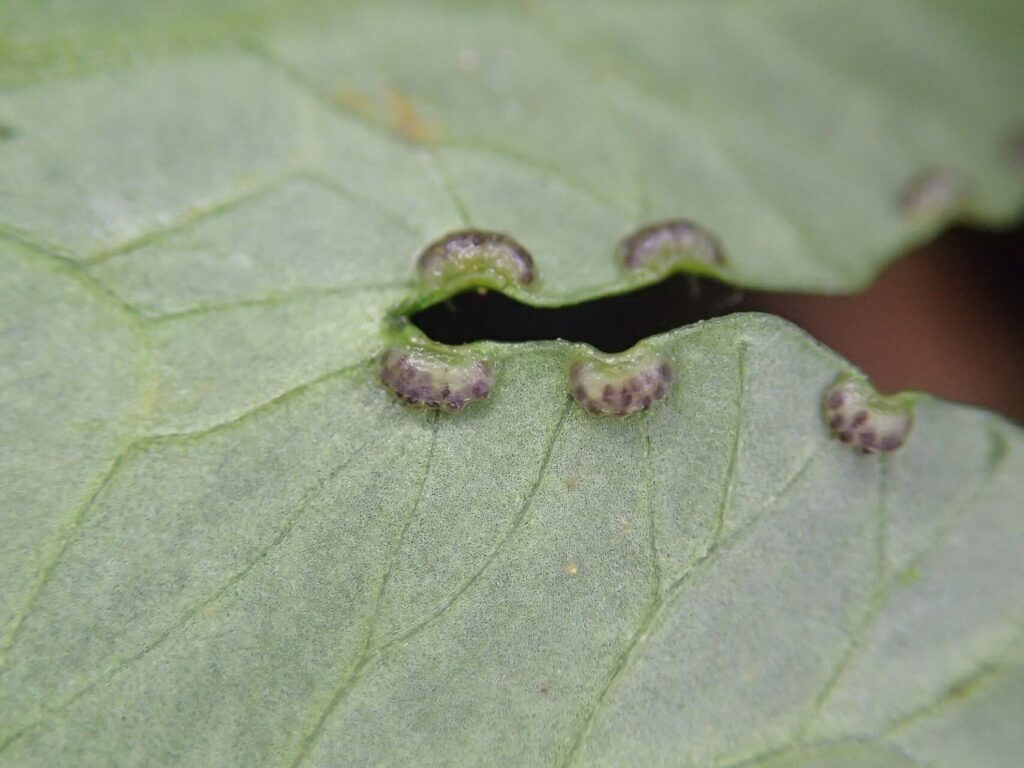
Blotiella glabra, like all ferns, doesn’t produce seeds. Instead, it relies on tiny, dust-like particles called spores for reproduction. These minuscule adventurers hold the genetic blueprint for new ferns and are typically found on the underside of mature fronds in clusters called sori.
Gathering Your Spore Bounty
Once your Blotiella glabra develops mature sori (they look like brown or reddish-brown bumps), it’s time to harvest your fern dust. Carefully snip off a frond with ripe sori and place it in a paper bag. Within a few days, the spores will naturally release, settling at the bottom of the bag.
Creating the Perfect Spore Nursery
To encourage germination, create a humid and sterile environment for your Blotiella glabra spores:
- Prepare the Potting Mix: A good mix for fern spores is a combination of finely milled peat moss and vermiculite. This provides a light, sterile, and slightly acidic environment that spores adore.
- Sterilize for Success: To prevent unwanted fungal growth, it’s crucial to sterilize the potting mix. You can do this by baking it in the oven at a low temperature (around 180°F) for 30 minutes.
- Sow the Spores: Once the potting mix has cooled, evenly sprinkle the spores on the surface. Don’t bury them, as they need light to germinate.
- Humidity is Key: Create a mini-greenhouse by covering the pot with a clear plastic bag or using a humidity dome. This will help maintain the high moisture levels needed for germination.
- Light and Patience: Place your spore nursery in a bright location, but out of direct sunlight. Germination can take anywhere from a few weeks to a couple of months, so be patient and keep the soil consistently moist.
From Spores to Baby Ferns: A Rewarding Journey
You’ll know your spores have germinated when you see a green film appearing on the surface of the potting mix. This signifies the development of the gametophyte stage – a thin, heart-shaped structure that eventually produces the actual fern plant. As the tiny ferns grow, gradually acclimate them to lower humidity levels. Once they are large enough to handle, you can transplant them into individual pots.
Other Propagation Methods for the Impatient Gardener
While spore propagation is the most common method for ferns, Blotiella glabra can also be propagated through division. Carefully separate a healthy, mature plant into smaller sections, ensuring each division has a good root system. Plant the divisions in well-draining soil and keep them consistently moist until they establish themselves.
Propagating Blotiella glabra is a fascinating journey that requires patience and a gentle touch. But the satisfaction of nurturing new life from tiny spores or divisions makes the entire process incredibly rewarding. So why not embark on this botanical adventure and expand your fern family today?