
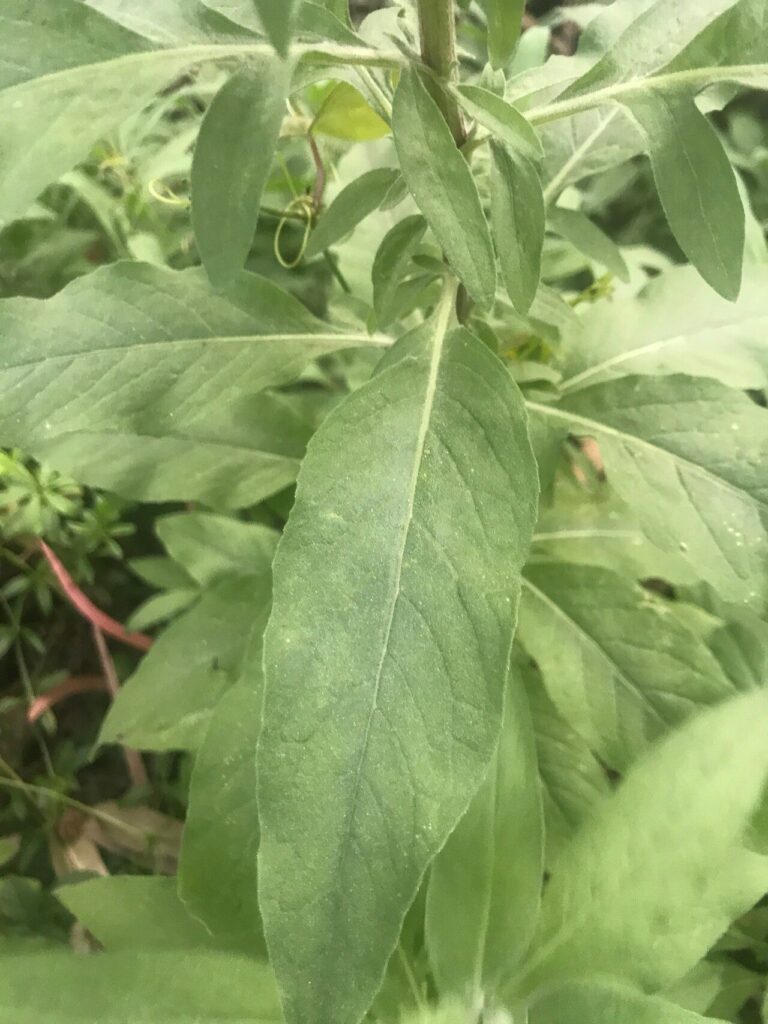
Unlocking the Secrets of Blumea balsamifera Propagation: A Guide to Growing This Aromatic Herb
Blumea balsamifera, also known as Ngai Camphor or Sambong, is an aromatic herb with a rich history of medicinal use in Southeast Asia. This fascinating plant boasts a camphor-like aroma and beautiful yellow flowers, making it a welcome addition to any garden. If you’re intrigued by this versatile herb and wish to propagate it, this guide provides all the information you need to get started.
Understanding Blumea balsamifera
Before we delve into propagation techniques, let’s get acquainted with this remarkable plant. Blumea balsamifera is a perennial shrub that can grow up to 3 meters tall. It thrives in tropical and subtropical climates, preferring well-drained soil and full sun to partial shade.
Propagation Methods
While Blumea balsamifera can be grown from seeds, it is most commonly propagated through cuttings. This method offers quicker results and a higher success rate.
1. Propagation from Cuttings:
This method involves taking cuttings from a healthy, mature plant and encouraging them to develop roots. Here’s a step-by-step guide:
- Taking the Cuttings: Select healthy, non-flowering stems from the current year’s growth. Cuttings should be approximately 4-6 inches long and taken at a 45-degree angle just below a leaf node.
- Preparing the Cuttings: Remove the lower leaves from the cutting, leaving only 2-3 leaves at the top. If desired, dip the cut end in rooting hormone powder to encourage root development.
- Planting the Cuttings: Plant the cuttings in a well-draining potting mix, ensuring the bottom node is buried. Water thoroughly and cover with a clear plastic bag or humidity dome to retain moisture.
- Care and Maintenance: Place the cuttings in a warm, well-lit area but out of direct sunlight. Mist the cuttings regularly and keep the soil consistently moist.
- Transplanting: Roots should develop within 4-6 weeks. Once the roots are established, carefully transplant the cuttings into individual pots or your garden bed.
2. Propagation from Seeds:
Though less common, Blumea balsamifera can be grown from seeds. However, seeds can be challenging to find and may have a lower germination rate.
- Sourcing Seeds: Look for reputable online retailers or specialized nurseries that offer Blumea balsamifera seeds.
- Sowing the Seeds: Sow the seeds on the surface of a well-draining seed starting mix and lightly press them in. Water gently and cover with a plastic wrap or humidity dome.
- Germination: Seeds typically germinate within 2-4 weeks. Maintain a warm temperature and keep the soil consistently moist.
- Transplanting: Once seedlings develop a few true leaves, they can be carefully transplanted into individual pots or your garden.
Tips for Success:
- Timing: The ideal time for taking cuttings is during the spring or early summer when the plant is actively growing.
- Sterilization: Cleanliness is crucial. Sterilize your cutting tools and pots to prevent the spread of diseases.
- Patience: Propagation takes time. Don’t get discouraged if your cuttings or seeds don’t root immediately. Continue to provide optimal care and patience will be rewarded.
Conclusion:
Propagating Blumea balsamifera, whether from cuttings or seeds, is a rewarding experience. By following these simple steps and providing proper care, you can successfully grow this remarkable herb and enjoy its beauty and benefits for years to come.