
Unlocking the Secrets of Bolbitis Heteroclita Propagation: A Guide to Multiplying Your Underwater Fern
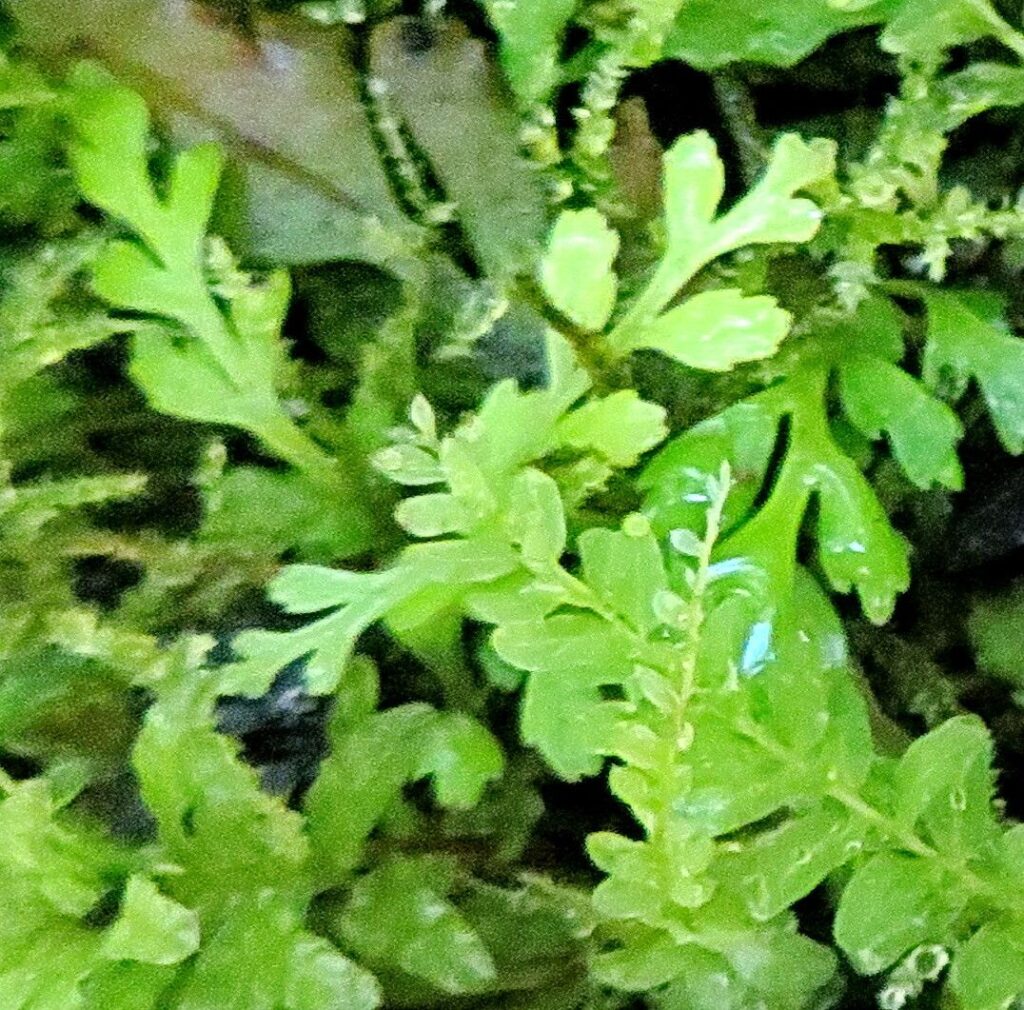
Bolbitis heteroclita, the African water fern, is a stunning addition to any planted aquarium. Its delicate, translucent leaves bring a touch of wild elegance and provide a captivating backdrop for your aquatic life. But unlike many popular aquarium plants, Bolbitis heteroclita isn’t propagated through traditional cuttings. Instead, this unique fern requires a bit more finesse and understanding of its natural growth patterns.
Understanding the Bolbitis Heteroclita Growth Habit:
Before diving into propagation, it’s essential to understand how this fern grows. Unlike stem plants that readily produce offshoots, Bolbitis heteroclita grows from a creeping rhizome. This rhizome, a thick horizontal stem, anchors the plant to surfaces like rocks and driftwood and produces leaves and roots along its length.
The Key to Propagation: Rhizome Division:
Due to its rhizomatous growth, the primary method of propagating Bolbitis heteroclita is through division. Here’s how:
-
Identify Growth Points: Look for areas on the rhizome where new leaves and roots are emerging. These are your future plants.
-
Careful Separation: Using a sharp, clean knife or scissors, carefully divide the rhizome. Ensure that each section you cut has at least one healthy growth point and a portion of the rhizome attached.
-
Attachment is Key: Unlike many plants, simply floating the divided rhizomes won’t work. They need to be attached to a surface to thrive. You can use fishing line, cotton thread, or even superglue gel (cyanoacrylate) safe for aquarium use to attach the rhizome sections to rocks, driftwood, or other hardscape.
- Patience is a Virtue: Be patient. It might take a few weeks for the divided sections to establish themselves and start pushing out new growth. Maintain stable water parameters and provide appropriate lighting (moderate to low light is best) for optimal results.
Alternative Propagation Method: Adventitious Plantlets:
While less common, Bolbitis heteroclita can occasionally produce small plantlets on its older leaves. If you notice these tiny replicas of the parent plant, you can carefully remove them and attach them to hardscape using the same methods described for rhizome division.
Propagating Bolbitis Heteroclita: A Rewarding Endeavor:
While propagating Bolbitis heteroclita might require a bit more effort than simply taking cuttings, it’s a rewarding experience for aquarists. Successfully multiplying this beautiful fern not only adds lush greenery to your aquarium but also offers a sense of accomplishment knowing you’ve mastered a slightly more advanced propagation technique. So, don’t be afraid to experiment, be patient, and soon you’ll be enjoying a thriving underwater forest of Bolbitis heteroclita.