
Unveiling the Secrets of Propagating Bulrush: A Guide to Growing Bolboschoenus laticarpus
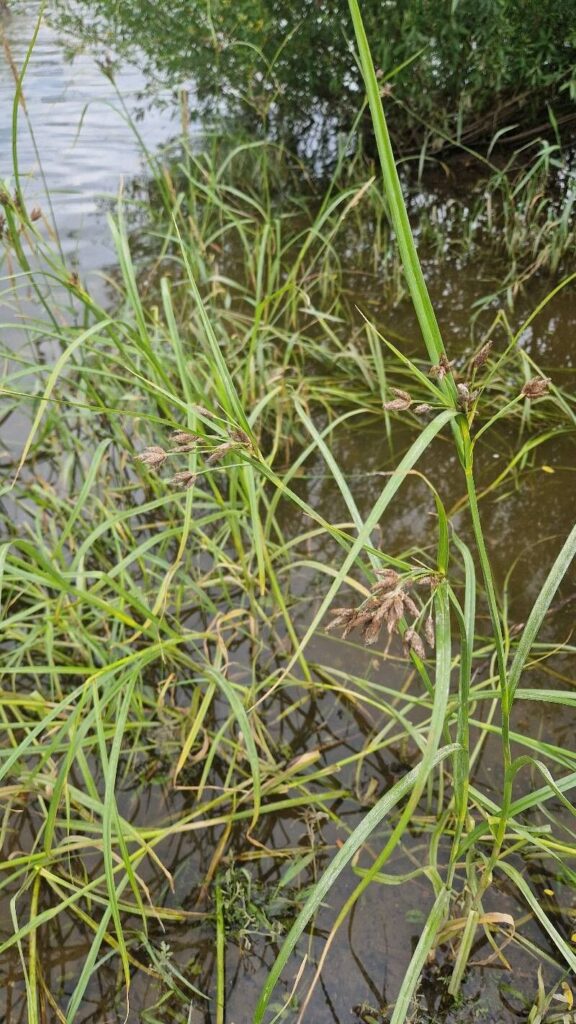
Bolboschoenus laticarpus, commonly known as wide-fruit bulrush, is a fascinating emergent aquatic plant that adds a touch of wild beauty and ecological value to ponds, water gardens, and restored wetlands. While its stunning appearance might draw you in, learning the art of propagation will allow you to enjoy its presence for years to come. Let’s dive into the fascinating world of growing this aquatic wonder.
Understanding Bulrush’s Natural Prowess
In nature, Bolboschoenus laticarpus employs two primary methods of propagation:
- Seed Dispersal: As the plant matures, it produces inconspicuous brown flower clusters that eventually develop into seeds. These seeds are dispersed by wind and water, naturally establishing new colonies.
- Rhizomatous Growth: Beneath the water’s surface, a network of rhizomes, or underground stems, spreads horizontally. Each node on the rhizome has the potential to sprout new shoots, leading to dense colonies over time.
Harnessing Nature’s Power: Propagation Techniques
You can mimic these natural processes to propagate Bolboschoenus laticarpus effectively:
1. Seed Germination:
- Collecting Seeds: Identify mature seed heads in late summer or fall. They will be brown and dry. Gently rub the heads between your fingers over a container to collect the small, brown seeds.
- Sowing: Sow seeds directly in late fall or stratify them indoors for 6-8 weeks before sowing in spring.
- Substrate and Conditions: Use a soil-less mix designed for aquatic plants. Keep the soil consistently moist and provide bright, indirect light. Germination can be erratic and may take several weeks.
2. Rhizome Division:
- Timing is Key: The optimal time for division is during the plant’s dormant period, typically in late fall or early spring.
- Dividing the Rhizomes: Carefully dig up a mature plant. Identify healthy rhizome sections with visible buds or shoots. Using a sharp, clean knife or shears, divide the rhizome into sections containing at least one bud.
- Replanting: Replant the divided rhizomes at the same depth they were originally growing. Ensure the planting site offers similar light and water conditions.
Tips for Success:
- Patience is Paramount: Propagating Bolboschoenus laticarpus, especially from seed, requires patience. Don’t be discouraged by slow progress.
- Mimic Nature: Replicate the natural growing conditions of Bolboschoenus laticarpus as closely as possible to encourage healthy growth. Provide ample sunlight and maintain consistent moisture levels.
- Start Small: If you’re new to propagating aquatic plants, begin with a smaller division to gain experience.
The Rewards of Propagation:
Successfully propagating Bolboschoenus laticarpus is a rewarding experience. Not only will you expand your own collection, but you will also be contributing to the ecological well-being of your local environment by providing habitat and food for wildlife. Furthermore, you’ll be sharing the beauty of this remarkable aquatic plant with others! So, embrace the adventure of propagation and witness the captivating charm of Bolboschoenus laticarpus flourish in your own backyard.