
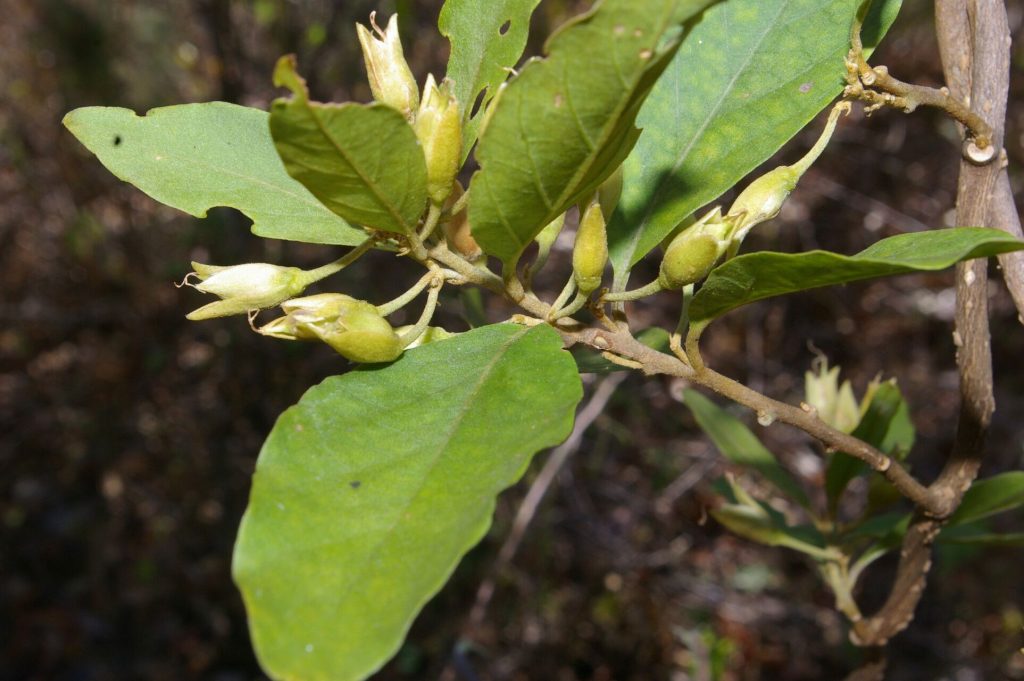
Propagating Bonamia mexicana: A Gardener’s Guide to the Mexican Bluebell
Introduction:
Bonamia mexicana, also known as the Mexican bluebell, is a captivating vine prized for its profuse displays of vibrant blue, trumpet-shaped flowers. Its trailing habit makes it ideal for hanging baskets, cascading over walls, or sprawling across ground cover. While relatively easy to maintain once established, propagating Bonamia mexicana presents some unique challenges, making successful cultivation all the more rewarding for the dedicated gardener. Its popularity stems from its striking blooms and adaptability, but its propagation methods aren’t as straightforward as some other common garden plants.
Seed Germination:
Currently, there are no known reliable methods for seed germination propagation of Bonamia mexicana. While the plant does produce seeds, their germination rate is reported to be extremely low, and successful germination under typical horticultural conditions has not been widely documented. Further research into specific germination requirements, such as scarification or stratification techniques, might reveal viable methodologies in the future.
Cuttings:
Challenges: Propagation from stem cuttings offers a more reliable method than seed germination. However, success depends on factors like the timing of the cuttings (ideally semi-hardwood cuttings in late summer or early fall), appropriate rooting hormone, and maintaining high humidity levels. The plant can be somewhat slow to root.
Practical Tips: Take 4-6 inch cuttings from non-flowering stems, removing lower leaves. Dip the cut ends in rooting hormone and plant them in moist, well-draining potting mix. Cover the cuttings with a plastic bag or humidity dome to maintain high humidity. Provide bright, indirect light and keep the mix consistently moist, but not soggy.
Rewards: Cuttings offer a quicker way to produce new plants compared to other methods, preserving the desirable traits of the parent plant. It’s a relatively simple technique once the correct timing and environmental conditions are mastered.
Division:
Challenges: Division is only feasible for larger, well-established plants. Care must be taken to ensure each division contains sufficient roots and stems to establish successfully. Dividing Bonamia mexicana can be disruptive to the parent plant, potentially reducing its vigor temporarily.
Practical Tips: Carefully dig up the mature plant, gently separating its root ball into several smaller sections, ensuring each section has healthy roots and stems. Replant immediately, providing adequate moisture and shade until the divisions establish new root systems.
Rewards: Division allows for quick multiplication of a desirable plant, but it’s limited by the availability of large, mature specimens.
Tissue Culture:
Challenges: Tissue culture propagation of Bonamia mexicana is complex and requires specialized laboratory equipment and expertise. Establishing sterile conditions and optimizing nutrient media are critical for successful propagation. This method is not practical for the average home gardener.
Practical Tips: This method is best left to professional nurseries or research facilities with the appropriate resources and experience.
Rewards: Tissue culture allows for rapid and large-scale propagation of genetically uniform plants, potentially useful for commercial production.
Conclusion:
Propagating Bonamia mexicana presents distinct challenges across various methods. While seed germination struggles with low viability, cuttings offer a realistic approach for the home gardener, albeit requiring patience and attention to detail. Division is suitable only for more mature plants. Tissue culture remains a specialist technique.
The very act of successfully nurturing a Bonamia mexicana cutting from a small stem to a flowering vine is deeply satisfying. Overcoming the hurdles of propagation reinforces the gardener’s connection with nature and highlights the beauty of persistence. For those aspiring to propagate this stunning plant, the reward of its vibrant blooms far outweighs the challenges, making the effort worthwhile – remember patience often yields the greatest garden successes.