
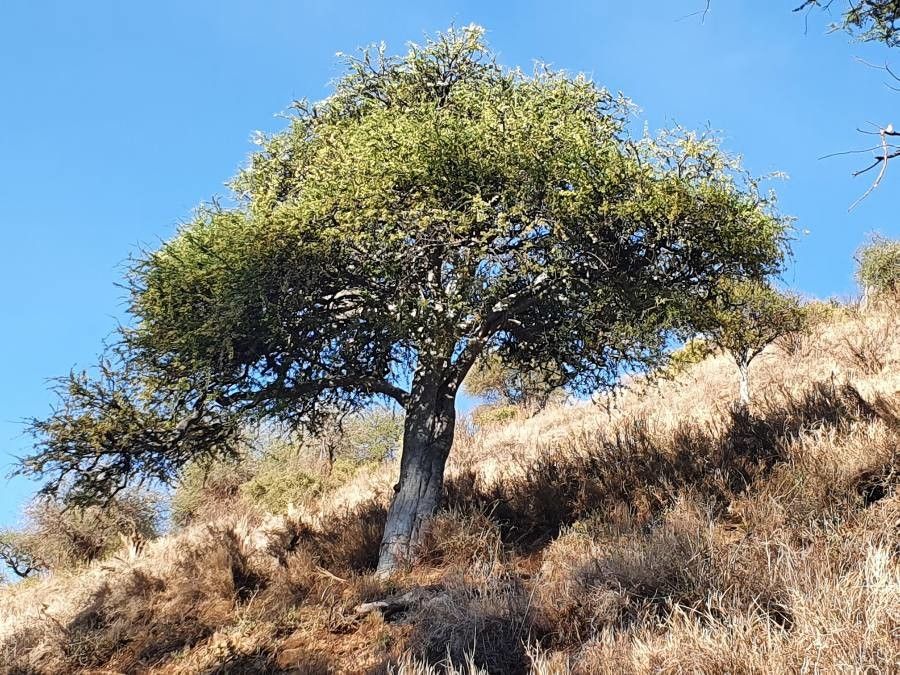
From Seed to Sapling: The Amazing Journey of the Boscia integrifolia
The Boscia integrifolia, also known as the wild olives or shepherd’s tree, is a fascinating and drought-resistant species native to Africa. If you’re looking to add this hardy and beautiful tree to your garden, you’re in for a rewarding, albeit somewhat challenging, journey! While the Boscia integrifolia can be a bit finicky, with a little patience and the right techniques, you can propagate this plant and enjoy its unique charm in your own backyard.
The Two Main Approaches: Seeds & Cuttings
The most common methods of propagation for Boscia integrifolia are through seeds and cuttings, each with its pros and cons:
1. Seed Propagation:
- Pros:
- Widely available and relatively inexpensive.
- Creates a genetically diverse population of seedlings.
- Cons:
- Requires a longer growing season (can take several years to reach maturity).
- Requires more patience and consistent care.
- Germination can be inconsistent.
2. Cuttings:
- Pros:
- Faster growth than seedlings, producing trees that look identical to the parent plant.
- Easier to manage, requiring less space and resources.
- Cons:
- More difficult to obtain cuttings, usually requiring a source from a specialized nursery or individual grower.
- Requires a specific technique and more attention due to the potential for disease and rotting.
Navigating the Journey of Seed Propagation:
1. Sow the Seeds:
- Begin by soaking the seeds in lukewarm water for 24 hours to soften the outer shell, increasing germination rates.
- Plant the seeds in a seed tray filled with a well-draining potting mix, burying them about twice their diameter deep.
- Keep the soil consistently moist, but not waterlogged.
- Choose a sunny spot with a minimum of 6 hours of sunlight per day.
- Be patient, as germination can take several months!
2. Transplanting the Seedlings:
- Once the seedlings have developed a few true leaves, they can be transplanted into individual pots.
- Use a larger pot with a drainage hole and fresh potting mix.
- Continue to provide ample sunlight and water, ensuring the soil never completely dries out.
3. Hardening Off:
- Before planting outside, you need to “harden off” your seedlings, slowly accustoming them to the outdoor environment.
- Start by placing them in a protected area for a few hours per day, gradually increasing the time over a week or two.
- Once your seedlings can tolerate the full sun and outdoor conditions, you can plant them in your chosen location.
Mastering the Art of Cutting Propagation:
1. Gather the Cuttings:
- Choose healthy, mature branches from a healthy Boscia integrifolia plant.
- Cuttings should be about 6-8 inches long, preferably from just below a node (the point where a leaf grows).
- Remove all leaves from the lower half of the cutting and use a sharp, sterile knife to make a clean cut at a 45-degree angle.
2. Prepare the Cuttings:
- Dip the cut end of your cutting in a rooting hormone powder to promote root growth.
- You can then place them in a mixture of peat moss and perlite or a specialized rooting medium.
- Keep the mixture moist but not waterlogged.
3. Create the Right Environment:
- Place your cuttings in a warm, humid environment, such as a greenhouse or propagation chamber.
- Provide bright but indirect light, ensuring that the cuttings don’t receive direct sunlight.
- Regularly check on the cuttings, ensuring that the rooting medium is moist and that there are no signs of fungal growth or rot.
4. Patience is Key:
- Expect the process to take 4-6 weeks for the cuttings to develop roots.
- Once roots are established, you can carefully transplant them individually into pots and grow them into strong, healthy trees.
Conclusion:
Whether you choose to propagate your Boscia integrifolia from seed or cuttings, cultivating this unique and resilient tree is an exciting journey. With dedication and care, you can contribute to its sustainable future and enjoy its beauty for years to come. Remember, the key to success is a little patience, knowledge of the specific needs of the plant, and the right tools and techniques. So, grab your gardening gloves, and start your own Boscia integrifolia adventure today!