
Unveiling the Secrets to Propagating the Majestic Brachyglottis Repanda
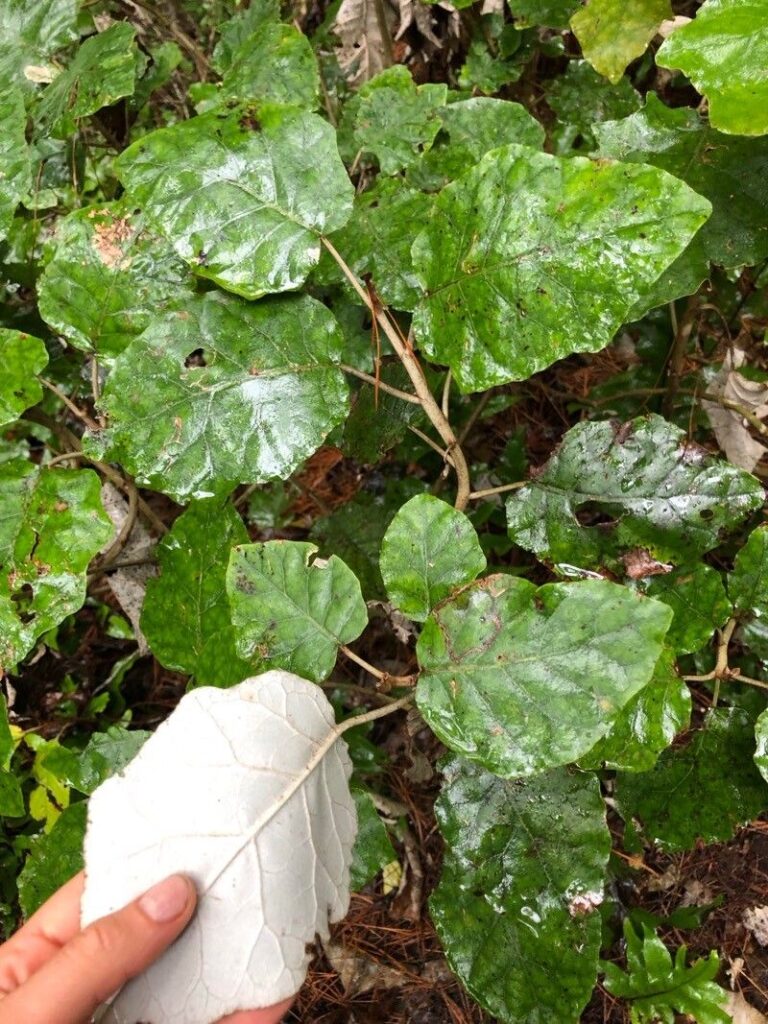
The Brachyglottis repanda, more affectionately known as the ‘Rangiora’ or the ‘Bushman’s Toilet Paper’, is a sight to behold. This New Zealand native boasts large, velvety leaves and bursts forth with clusters of tiny, bright yellow flowers. But its beauty is not its only asset. This fast-growing evergreen is surprisingly easy to propagate, making it a rewarding addition to any garden enthusiast’s collection.
So, you’re captivated by the Rangiora and want to welcome more of its lush presence into your life (and who could blame you?). Fear not, fellow plant lover, for we’re about to delve into the world of Brachyglottis repanda propagation, exploring two effective methods:
1. Propagating from Seed:
The Rangiora generously produces seed heads after its flowering season, typically in late summer or autumn. These fluffy, white seed heads are filled with tiny, wind-borne seeds just begging to start their journey. Here’s how to give them a helping hand:
- Collection: Gently collect the seed heads once they appear fluffy and white. Store them in a paper bag for a few days in a dry, well-ventilated area to allow them to dry further and release the seeds.
- Sowing: Sow the seeds in a seed tray filled with a well-draining seed raising mix. Sprinkle them lightly on the surface and cover with a thin layer of mix or vermiculite.
- Conditions: Keep the seed tray consistently moist but not waterlogged. Place it in a bright location, but out of direct sunlight. Germination should occur within a few weeks.
- Transplanting: Once the seedlings are large enough to handle (around 2-3 inches tall), they can be carefully transplanted into individual pots filled with a good quality potting mix.
2. Propagating from Cuttings:
If you’re after a quicker and often more reliable method, propagating from cuttings is the way to go. This method utilizes the plant’s own ability to regenerate from stem sections:
- Timing: The ideal time to take cuttings is in late spring or early summer, when the plant is actively growing.
- Selection: Choose healthy, non-flowering stems that are firm and not too woody.
- Cutting: Using a sharp, clean knife or pruning shears, take cuttings about 4-6 inches long. Make the cut just below a leaf node (where the leaf joins the stem).
- Preparation: Remove the leaves from the lower two-thirds of the cutting.
- Planting: Dip the cut end in rooting hormone powder (optional but recommended for faster root development). Plant the cutting in a pot filled with a well-draining potting mix, ensuring at least one leaf node is buried.
- Care: Keep the cuttings consistently moist and in a warm, humid environment. A cloche or clear plastic bag placed over the pot can help maintain humidity. Roots should develop in 4-6 weeks.
- Transplanting: Once the cutting shows signs of new growth, it’s ready to be transplanted into a larger pot or directly into the garden.
Tips for Success:
- Well-draining soil: Rangiora thrives in well-drained soil, so ensure your potting mix allows for good drainage.
- Sun or shade: This versatile plant tolerates both sun and shade but prefers a position with some morning sun and afternoon shade.
- Watering: While relatively drought-tolerant once established, consistent watering is crucial for young plants and cuttings. Allow the soil to dry slightly between waterings.
With a bit of patience and care, propagating your own Brachyglottis repanda is an achievable and rewarding experience. Whether you choose to sow its delicate seeds or nurture cuttings into vibrant new plants, you’ll be rewarded with the satisfaction of nurturing new life and expanding the reach of this majestic New Zealand native in your garden haven.