
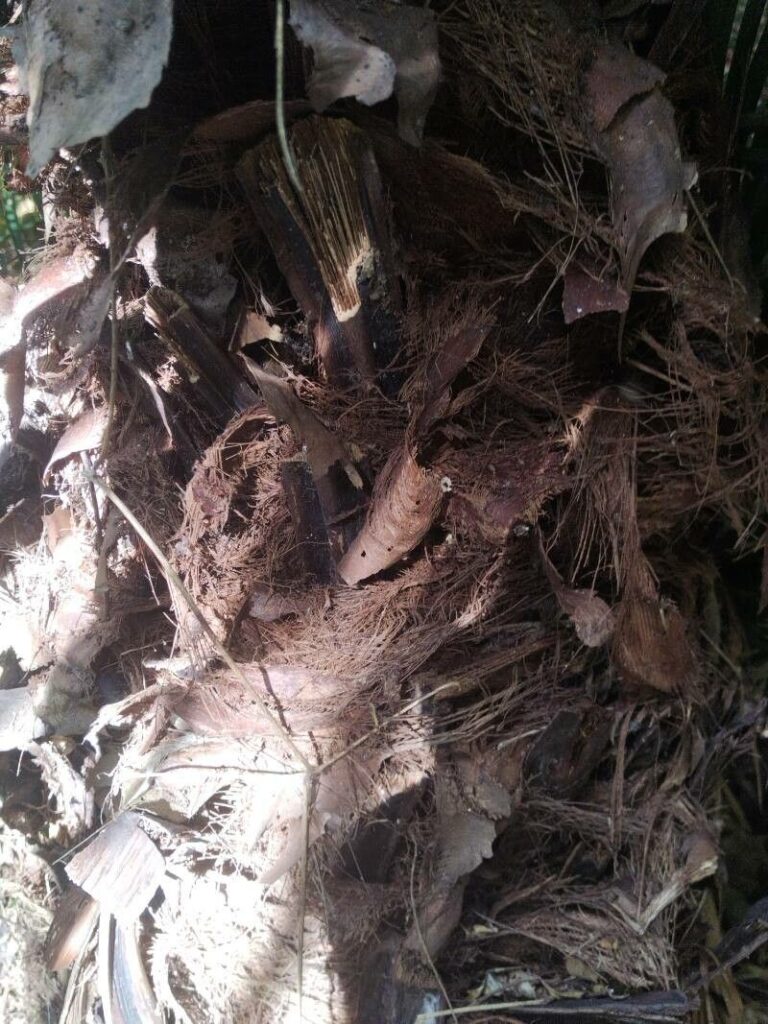
Unlocking the Secrets of Brahea Salvadorensis Propagation: A Step-by-Step Guide
The Brahea salvadorensis, also known as the El Salvador Palm or Sensuntepeque Palm, is a majestic giant boasting stunning silver-green fan-shaped leaves and a statuesque trunk. Native to the arid hillsides of El Salvador, this palm, unfortunately categorized as endangered in its natural habitat, is gaining popularity among plant enthusiasts for its striking appearance and drought-tolerant nature.
If you’re looking to welcome this resilient beauty into your garden, propagation is the way to go! While it requires patience and a bit of green thumb magic, successfully propagating your own Brahea salvadorensis is a rewarding experience.
Let’s dive into the steps involved:
1. Seed Starting: The Most Common Route
- Sourcing your seeds: Opt for fresh, viable seeds from reputable suppliers.
- Preparing for germination:
- Scarify the seeds: Gently nick the outer shell with a nail clipper or sandpaper. This allows water to penetrate and speeds up germination.
- Soak the seeds: Place the scarified seeds in warm water for 24-48 hours to further enhance water absorption.
- Sowing the seeds:
- Use a well-draining seed starting mix.
- Plant the seeds about an inch deep, ensuring the scarified side faces down.
- Water thoroughly and maintain a consistent moisture level.
- Providing the right environment:
- Place the seed tray in a warm location with indirect sunlight.
- Maintain a temperature of around 75-85°F (24-29°C).
- Waiting game: Germination can take anywhere from a few weeks to several months. Be patient and don’t lose hope!
2. Transplanting Your Seedlings
Once your seedlings have developed a couple of sets of true leaves, they are ready to be transplanted.
- Choosing the right pot: Opt for a pot that’s slightly larger than the current root ball.
- Potting mix and drainage: Use a well-draining potting mix specifically designed for palms. Ensure the pot has drainage holes to prevent waterlogging.
- Transplanting process:
- Gently loosen the soil around the seedling.
- Carefully lift the seedling by its leaves, avoiding damage to the delicate roots.
- Place the seedling in the new pot, ensuring the top of the root ball is level with the soil surface.
- Water thoroughly.
3. Caring for Your Young Palms
- Sunlight: As your palms mature, gradually introduce them to brighter light, eventually aiming for at least six hours of direct sunlight.
- Watering: Water deeply but infrequently. Allow the soil to dry out slightly between waterings to avoid overwatering and potential root rot.
- Fertilization: During the growing season (spring and summer), fertilize your palms every 4-6 weeks with a balanced, slow-release fertilizer specifically designed for palms.
- Repotting: Repot your palm every 2-3 years or when you see roots circling the base of the pot.
A Note on Patience
Propagating Brahea salvadorensis is a labor of love. It requires patience, dedication, and a nurturing touch. Embrace the journey, enjoy the process, and soon enough, you’ll be rewarded with the breathtaking beauty of your very own El Salvador Palm gracing your garden. Remember, every sprout is a testament to your commitment and a step towards preserving this magnificent species for generations to come.