
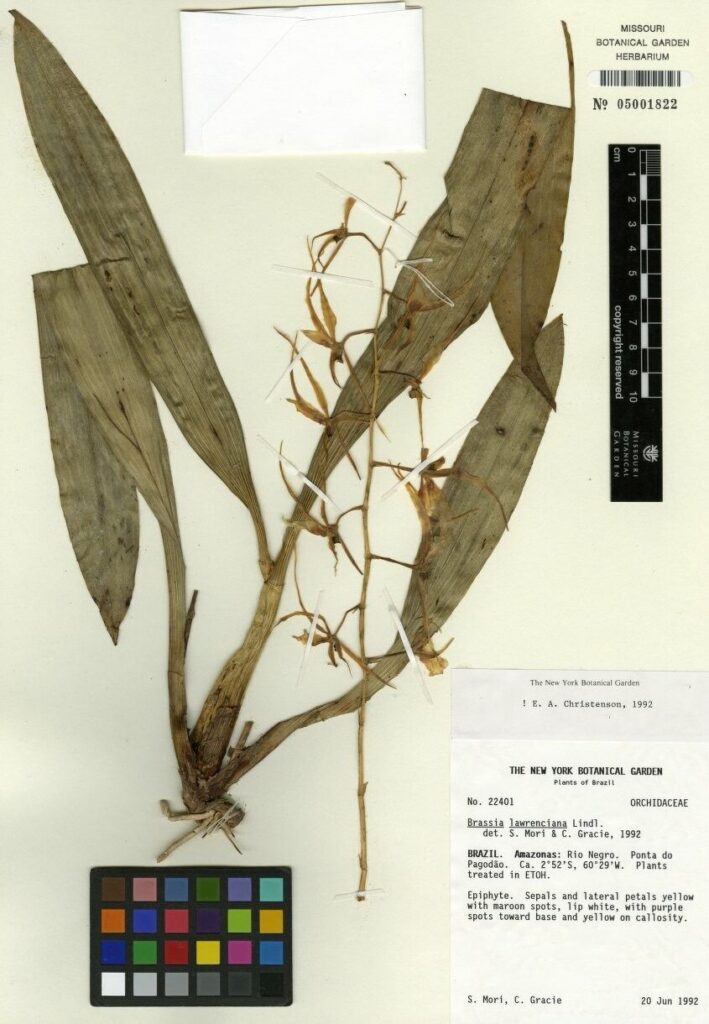
Unlocking the Secrets of Brassia Cochleata Propagation: A Beginner’s Guide to Multiplying Your Spider Orchid
The Brassia Cochleata, fondly nicknamed the “Spider Orchid” due to its spidery, elongated petals, is a fascinating and fragrant addition to any orchid enthusiast’s collection. Its unique blooms and relatively straightforward care requirements make it a popular choice, but have you ever considered propagating your own Spider Orchid?
While it might sound daunting, propagating Brassia Cochleata is surprisingly achievable, even for beginners. This guide will demystify the process, providing you with the knowledge and confidence to multiply your orchid collection.
Two Main Methods: Division and Back Bulbs
There are two primary methods for propagating Brassia Cochleata: division and back bulb propagation. Let’s delve into each:
1. Division – The Tried and True Method
Division is the most common and reliable method, best performed during spring when your orchid is actively growing.
Here’s how it’s done:
- Timing is Key: Wait until your orchid has finished blooming and has several healthy pseudobulbs (at least 6).
- Gently Remove the Orchid: Carefully lift the orchid from its pot, loosening the roots with your fingers or a sterilized tool.
- Identify Division Points: Look for natural divisions between pseudobulbs with healthy root systems attached.
- Divide with Care: Using a sterilized knife or shears, carefully separate the orchid at the chosen division points.
- Potting the Divisions: Pot each division in a well-draining orchid mix, ensuring the base of the pseudobulbs sits slightly above the potting medium.
- Provide Optimal Conditions: Place the newly potted divisions in a warm, humid environment with bright, indirect light. Water sparingly until new growth appears.
2. Back Bulb Propagation – Leveraging Dormant Potential
Back bulbs are older pseudobulbs that have lost their leaves. While they may appear dormant, they still possess the potential to sprout new growth.
Here’s the process:
- Identify Healthy Back Bulbs: Choose back bulbs that are plump and free of disease.
- Prepare the Planting Medium: Use a mix of sphagnum moss and orchid bark, creating a humid environment.
- Placement is Key: Place the back bulbs horizontally on the surface of the moist medium, ensuring they are not buried.
- Patience is a Virtue: Place the container in a warm, humid location with indirect light. It may take several months for new growth to emerge.
- Potting Up: Once a new growth develops roots, carefully pot the back bulb in a well-draining orchid mix.
Essential Tips for Success:
- Sterilization is Crucial: Always sterilize your tools before and after use to prevent the spread of disease.
- Don’t Overwater: Overwatering is a common pitfall. Allow the potting mix to dry out slightly between waterings.
- Patience is Key: Propagation takes time. Don’t be discouraged if you don’t see results immediately.
Propagating your Brassia Cochleata is a rewarding experience that allows you to expand your orchid collection while deepening your connection to these fascinating plants. With a little patience and care, you’ll soon be enjoying the beauty of your propagated Spider Orchids!