
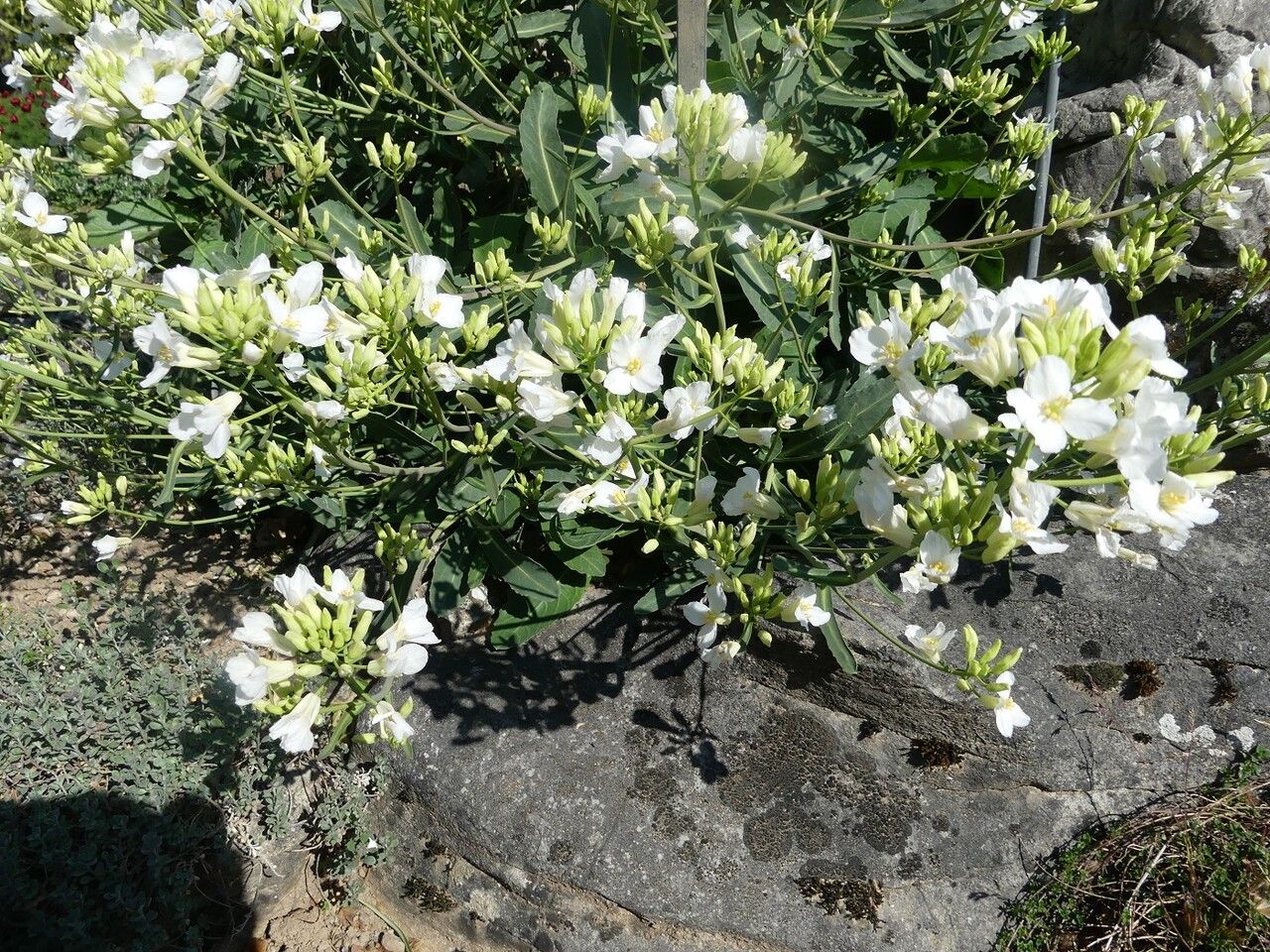
Taming the Island Treasure: Propagating the Rare Brassica insularis
The world of plants is full of hidden gems, and Brassica insularis is one such treasure. Hailing from the windswept cliffs of Corsica and Sardinia, this wild cabbage relative boasts stunning silvery-green foliage and an air of untamed beauty. While relatively unknown, B. insularis is gaining popularity among adventurous gardeners seeking unique additions to their collections. Intrigued? Let’s dive into the rewarding challenge of propagating this island endemic.
Understanding the Challenge:
Propagating B. insularis can be tricky, primarily because it’s not readily available in garden centers. Obtaining seeds is often the only route, and these can be difficult to source. However, this challenge is part of what makes this plant so rewarding to cultivate.
Method 1: Sowing the Seeds of Success
Timing is Key: Early spring, just after the last frost, is ideal for sowing B. insularis seeds. This timing offers cool temperatures and sufficient daylight hours for robust seedling growth.
Seed Starting Mix: Use a well-draining seed starting mix to prevent waterlogging and damping-off disease. A mix of peat moss, perlite, and vermiculite works well.
Sowing Depth: Sow the seeds about ¼ inch deep in seed trays or individual pots. Mist the soil gently and cover loosely with plastic wrap to retain moisture.
Germination: Be patient! Germination can be erratic and may take anywhere from 2 to 4 weeks, depending on temperature and humidity. Maintain a consistent temperature around 65-70°F (18-21°C) for optimal results.
Method 2: Taking Cuttings for a Faster Start
While less common, B. insularis can also be propagated from cuttings. This method offers a quicker route to mature plants.
Select Healthy Stems: In late spring or early summer, choose healthy, non-flowering stems from a mature plant. Cuttings should be about 4-6 inches long.
Prepare the Cuttings: Remove the lower leaves and trim the cut end just below a leaf node. Dip the cut end in rooting hormone to encourage root development.
Planting Medium: Insert the cuttings into a well-draining mix, similar to the one used for seeds. Keep the soil consistently moist but not waterlogged.
Rooting Time: It may take 4-6 weeks for roots to develop. You can test for successful rooting by gently tugging on the cutting – resistance indicates root formation.
Transplanting Your Island Treasure:
Once your seedlings or cuttings have developed a strong root system (about 2-3 inches long), transplant them into larger pots or directly into your garden.
Important Considerations:
- Well-Drained Soil: B. insularis thrives in well-drained soil. Amend heavy clay soil with sand or grit to improve drainage.
- Sunlight Requirements: Choose a location with full sun to partial shade.
- Watering: Water consistently, especially during dry periods, but avoid overwatering.
- Fertilization: B. insularis is not a heavy feeder. A light application of balanced fertilizer in spring is sufficient.
From Challenge to Reward:
Propagating Brassica insularis might require patience and care, but the reward of nurturing this rare beauty from seed or cutting is truly fulfilling. Imagine the pride of watching this unique plant thrive under your care, adding a touch of the Mediterranean to your garden. So go ahead, seek out those elusive seeds or cuttings, and embark on your own B. insularis propagation adventure!