
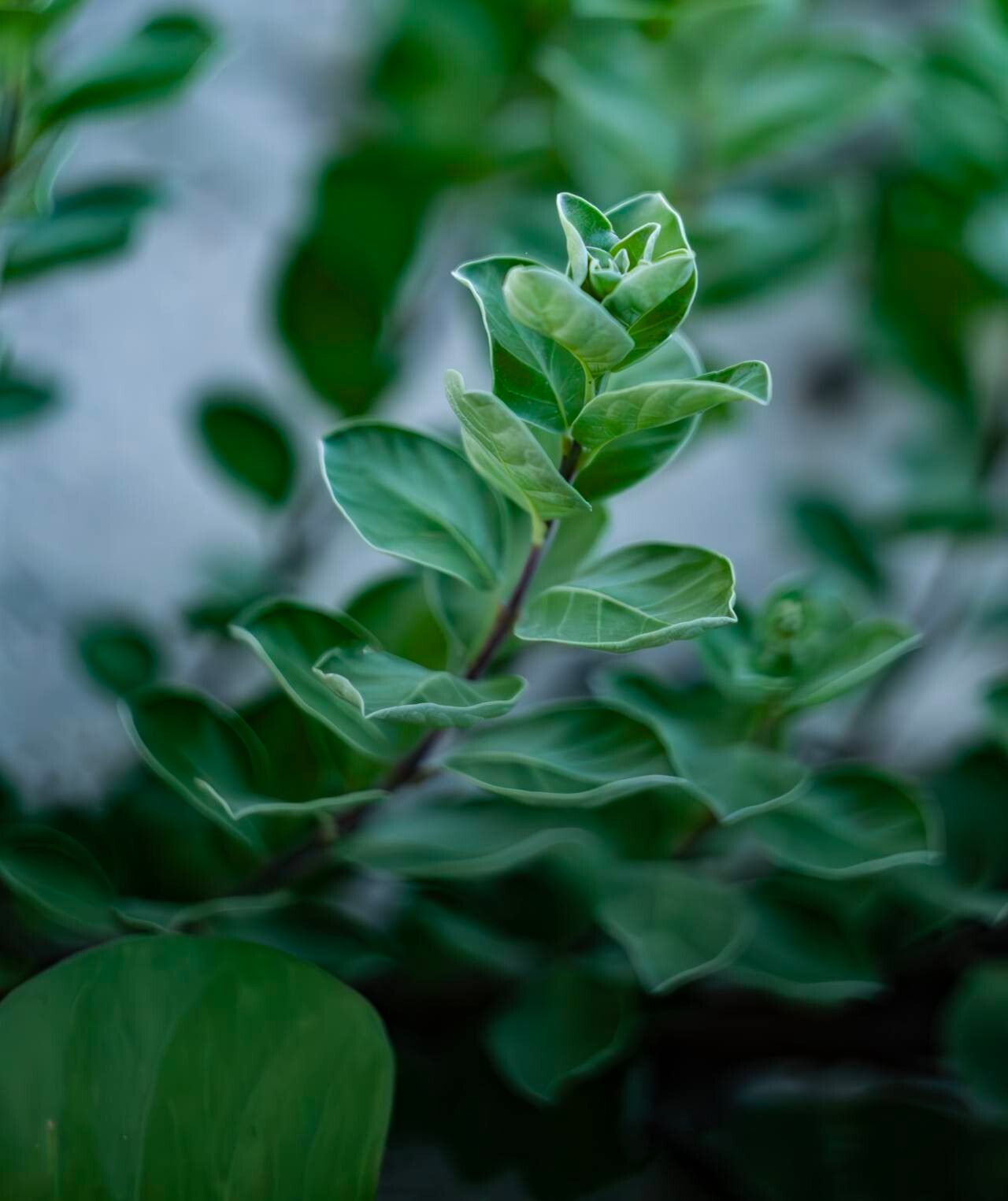
Taming the Chaste Tree: Unlocking the Secrets of Vitex Trifolia Propagation
The Vitex trifolia, also known as the chaste tree or chasteberry, is a captivating plant boasting beautiful lavender blooms, aromatic foliage, and a reputation for attracting pollinators. But did you know that this stunning plant is remarkably easy to propagate? Whether you’re looking to expand your garden or share this beauty with friends, understanding the different methods for propagating Vitex trifolia can open up a world of possibilities.
Propagation Power: Unveiling the Options
There are three primary methods for propagating Vitex trifolia:
1. Seed Propagation: Welcoming New Life from Seed
Starting Vitex trifolia from seed is a rewarding, albeit slightly slower, process. Here’s how to do it:
- Harvesting Seeds: Collect mature seeds from dried flower spikes in the fall.
- Stratification (Optional): While not strictly necessary, cold-stratifying the seeds for 4-6 weeks in the refrigerator can improve germination rates.
- Sowing: Sow seeds in a well-draining seed starting mix, covering lightly with soil.
- Germination: Provide warmth (around 70°F) and consistent moisture. Germination can take anywhere from a few weeks to a few months.
2. Softwood Cuttings: The Power of Youthful Growth
Softwood cuttings utilize the vigorous growth of new stems in late spring to early summer. This method often yields quicker results than seed propagation. Here’s a step-by-step guide:
- Taking the Cuttings: Select healthy, non-flowering stems that are about 4-6 inches long. Remove the lower leaves, leaving 2-3 pairs at the top.
- Hormone Boost: Dip the cut end in rooting hormone powder to encourage root development.
- Planting: Insert the cuttings into a well-draining potting mix, burying at least two nodes below the soil line.
- Creating a Humid Environment: Cover the cuttings with a plastic bag or humidity dome to retain moisture.
- Rooting: Keep the cuttings in a warm, bright location out of direct sunlight. Rooting typically takes 4-6 weeks.
3. Hardwood Cuttings: Utilizing Dormant Energy
Hardwood cuttings are taken during the plant’s dormancy in late fall or winter when energy is stored within the stems. Here’s how to propagate using this method:
- Cutting Selection: Choose healthy, dormant stems that are about 6-8 inches long and pencil-thick.
- Wounding the Cuttings: Make a small wound or scrape at the base of the cutting to expose the cambium layer, encouraging root formation.
- Treatment (Optional): Dip the wounded end in rooting hormone for added success.
- Planting: Insert the cuttings into a pot or directly into the ground, ensuring at least half of the cutting is buried.
- Patience is Key: Keep the soil consistently moist and wait. Rooting can take several months with hardwood cuttings.
Tips for Propagation Success
- Timing is Everything: Choose the propagation method best suited to the time of year and the availability of plant material.
- Sterilization Matters: Use clean tools and sterile potting mix to prevent diseases.
- Patience is a Virtue: Remember that propagation takes time. Be patient, provide the right conditions, and don’t be disheartened if some attempts fail.
With a little dedication and the right knowledge, you can successfully propagate your own Vitex trifolia plants and enjoy the beauty and benefits of this wonderful species for years to come.