
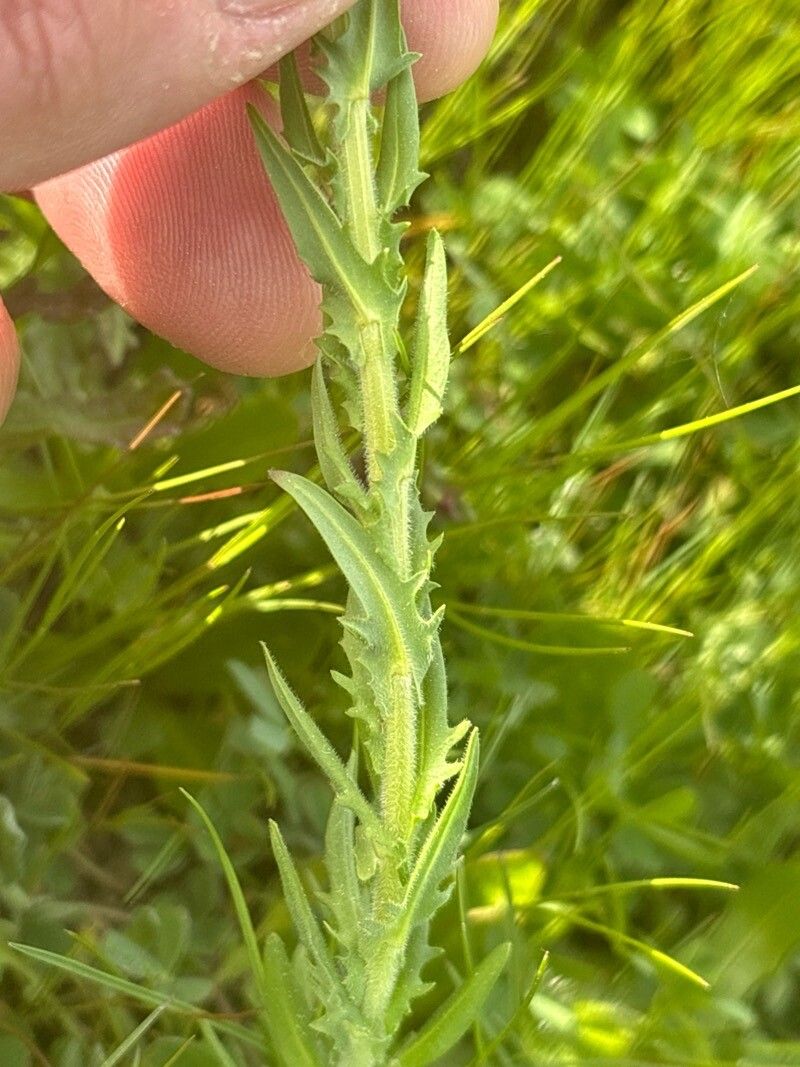
Taming the Wild: Propagating Pepperwort (Lepidium heterophyllum) at Home
Pepperwort (Lepidium heterophyllum), a charming wildflower native to Europe, might not be the first plant that comes to mind when you think about gardening. Yet, this hardy member of the mustard family deserves a second look. With its delicate white flowers and surprising resilience, pepperwort can add a touch of wild beauty to your garden, and the good news is, it’s surprisingly easy to propagate!
Why Choose Pepperwort?
Before we delve into the how-to, let’s talk about the “why.” Pepperwort offers some fantastic benefits for gardeners:
- Low-Maintenance: This resilient plant thrives in poor soil conditions and tolerates drought well.
- Attractive Addition: Its delicate white flowers add a touch of understated elegance to gardens, especially rock gardens or wildflower meadows.
- Pollinator-Friendly: Pepperwort attracts beneficial insects like bees, contributing to a healthy garden ecosystem.
Two Paths to Propagation
The beauty of propagating pepperwort lies in its simplicity. You can easily multiply your plants using two main methods:
1. Seed Propagation:
- Timing is Key: The optimal time for sowing pepperwort seeds is in the spring after the last frost or in early autumn.
- Embrace the Outdoors: Direct sow seeds outdoors, lightly pressing them into the soil surface. Pepperwort prefers well-drained soil but tolerates various conditions.
- Sunlight is Your Friend: Choose a sunny spot for your pepperwort seedlings.
- Keep it Moist (But Not Soggy): Water regularly until the seedlings are established.
- Thinning Out the Crowd: Once the seedlings are a few inches tall, thin them out to provide adequate spacing for growth (about 6-8 inches apart).
2. Division:
- Spring Awakening: Divide established pepperwort plants in early spring.
- Gently Does It: Carefully dig up the plant, ensuring you get a good root mass.
- Sharp and Clean: Using a sharp, clean knife or garden shears, divide the plant into smaller sections, each with healthy roots and shoots.
- Replant and Thrive: Replant the divisions immediately in their desired locations, ensuring the same soil depth as the original plant.
- Water Well: Water generously to help the divisions establish themselves.
Nurturing Your Pepperwort
Pepperwort is relatively low-maintenance, but a little TLC goes a long way:
- Water Wisely: Water during dry periods, but avoid overwatering, as this can lead to root rot.
- Deadheading Delights: Deadhead spent flowers to encourage more blooms and prevent self-seeding if desired.
- Divide and Conquer: Divide pepperwort plants every few years to maintain their vigor and prevent overcrowding.
Embrace the Wild Side of Gardening
Propagating pepperwort is a rewarding experience for both novice and seasoned gardeners. This resilient and charming plant offers a taste of wildness to any garden setting. So, why not give it a try? You’ll be amazed by its beauty and ease of propagation.