
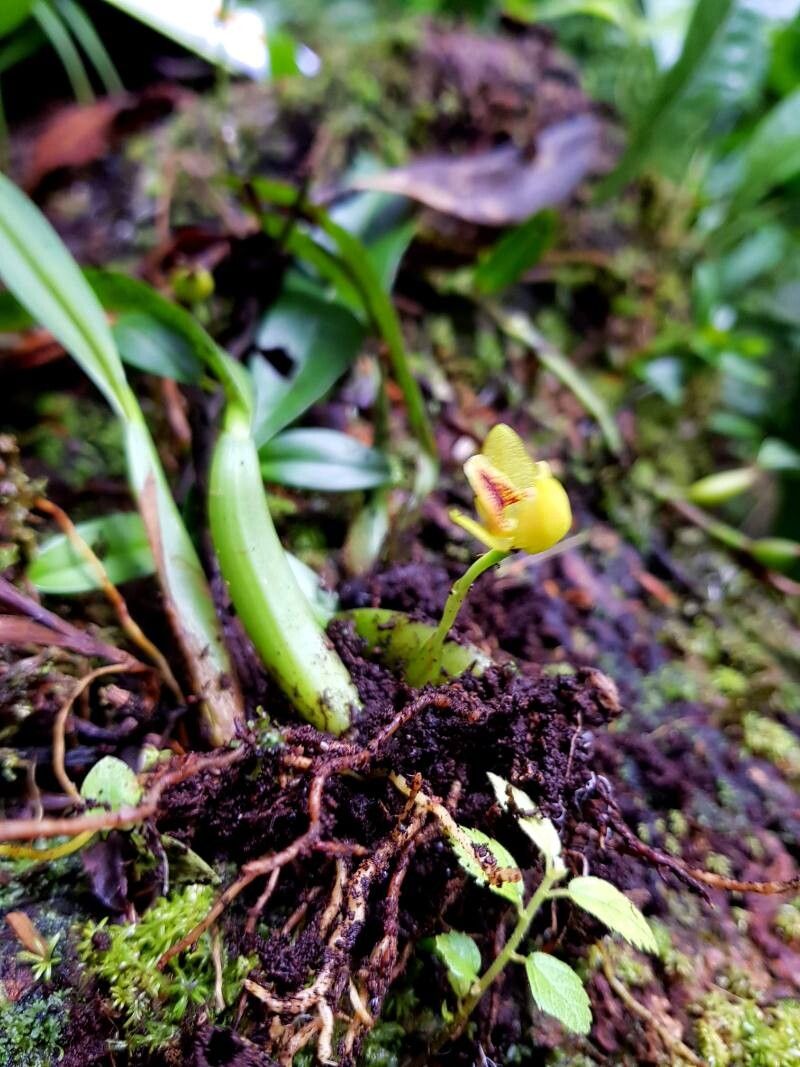
Unveiling the Secrets to Multiply Your Maxillaria moralesii: A Propagation Guide
The Maxillaria moralesii, with its charming coconut-scented blooms and manageable size, has stolen the hearts of orchid enthusiasts everywhere. But have you ever dreamt of multiplying your prized possession? Propagation might seem like a daunting task reserved for seasoned green thumbs, but fear not! This guide will unveil the secrets to successfully propagating your Maxillaria moralesii, allowing you to expand your orchid family and share the joy with others.
Division: The Go-To Method
For the Maxillaria moralesii, division reigns supreme as the most common and effective propagation method. This technique involves separating mature, healthy plants into smaller sections, each containing a set of pseudobulbs and a healthy root system.
When to Divide:
The ideal time for division is during spring, just as the plant finishes flowering and new growth emerges. This timing allows the divisions to establish themselves during the growing season.
Step-by-Step Division Guide:
Prepare your tools: Gather a sterilized, sharp knife or pair of shears, a pot with drainage holes slightly larger than the intended division, and a fresh batch of well-draining orchid potting mix.
Unpot and inspect: Gently remove the Maxillaria moralesii from its pot, taking care not to damage the roots. Examine the plant, identifying sections with at least 3-4 healthy pseudobulbs connected by a healthy rhizome.
Divide with precision: Using your sterilized tool, carefully cut the rhizome, ensuring each division has a healthy root system attached.
Potting your divisions: Plant each division in the prepared pot, ensuring the base of the pseudobulbs is level with the potting mix. Water thoroughly and allow excess water to drain.
- Aftercare: Place your newly potted divisions in a warm, humid environment with bright, indirect light. Water sparingly until new growth appears, signifying successful establishment.
Alternative: Back Bulb Propagation (For the Patient Orchid Lover)
If your Maxillaria moralesii boasts several old, leafless pseudobulbs (back bulbs), you can try your hand at back bulb propagation. This method, while requiring more patience, can be equally rewarding.
Remove and prepare: Gently detach a back bulb with a small portion of the rhizome from the main plant.
Create a humid environment: Place the back bulb in a shallow tray filled with moist sphagnum moss. Cover the tray with a clear lid or plastic wrap to maintain high humidity.
Patience is key: Place the tray in a warm, bright location, avoiding direct sunlight. Mist the moss regularly to keep it consistently moist. Over time, new shoots and roots will emerge from the base of the back bulb.
- Potting the new growth: Once the new growth develops a substantial root system (about 2-3 inches long), you can carefully pot it in a suitable orchid mix.
Propagating your Maxillaria moralesii is a rewarding experience, allowing you to multiply your orchid collection and share the joy of these fragrant beauties. With patience, proper technique, and a touch of green-thumb magic, you’ll soon be enjoying a flourishing family of coconut-scented blooms.