
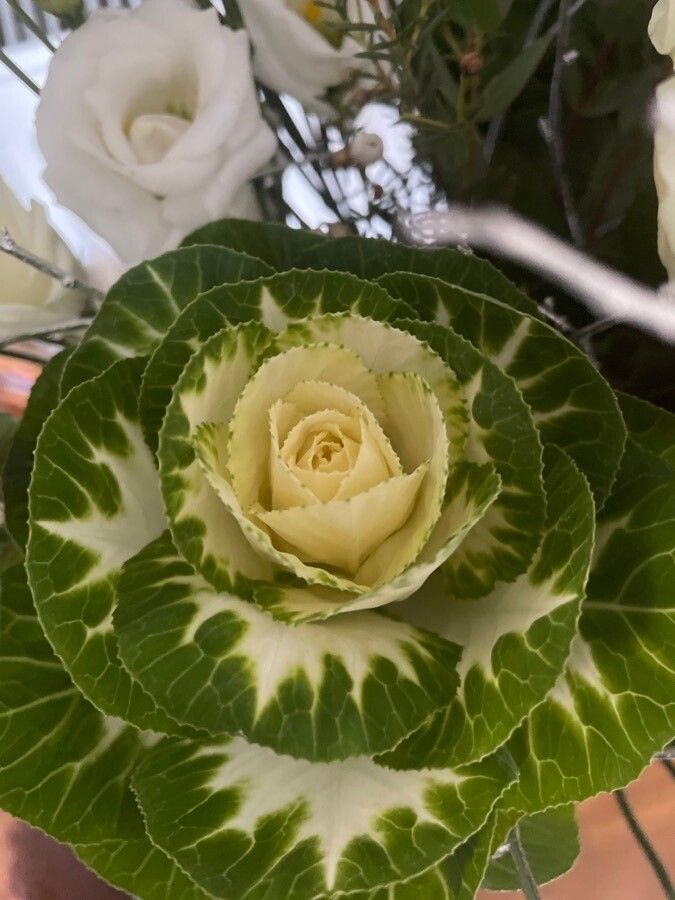
Unleashing the Veggie Powerhouse: Propagating Brassica Oleracea for a Bountiful Garden
Brassica oleracea – the name might sound like a spell from a gardening grimoire, but it’s actually the key to unlocking a whole family of delicious and nutritious vegetables. This botanical superstar is the proud parent of kale, cabbage, broccoli, cauliflower, Brussels sprouts, and more! Intrigued? Good news is, propagating Brassica oleracea is surprisingly straightforward, allowing both seasoned gardeners and enthusiastic beginners to cultivate a diverse and rewarding vegetable patch.
Sowing the Seeds of Success: Starting from Seed
Starting your Brassica oleracea journey from seed is a widely popular and economical method. Here’s how to get it right:
- Timing is Key: Most varieties prefer cooler weather, so aim to sow seeds indoors 6-8 weeks before the last expected frost, or direct sow outdoors in early spring or late summer, depending on your climate.
- Prepare the Seedbed: Choose a well-drained seed starting mix or prepare a sunny outdoor bed with loose, fertile soil.
- Sow with Care: Plant seeds about 1/2 inch deep and 2 inches apart. Water gently but thoroughly.
- Light and Warmth: Provide ample sunlight or grow lights indoors. Maintain a temperature of around 70°F for optimal germination, which usually takes 5-10 days.
- Thinning Out: Once seedlings develop a few true leaves, thin them out to give the strongest ones adequate space to grow. Space them according to the specific variety’s mature size.
Cloning Your Champions: Propagating from Cuttings
Did you know you can create clones of your favorite Brassica oleracea plants from cuttings? This method is particularly useful for preserving unique varieties or quickly multiplying your stock:
- Select Healthy Stems: Choose sturdy, non-flowering side shoots. Cut a 4-6 inch section below a leaf node (where the leaf attaches to the stem) using clean, sharp shears.
- Prepare the Cuttings: Remove the lower leaves, leaving only 2-3 at the top. Dip the cut end in rooting hormone powder (optional but beneficial).
- Planting and Patience: Plant the cutting in a moist, well-draining potting mix or directly in the ground. Keep the soil consistently moist but not waterlogged.
- Rooting Success: In a few weeks, roots should start to develop. Gently tug on the cutting to check for resistance, a sign that rooting has taken place.
Caring for Your Brassica Brood:
Whether you choose seeds or cuttings, providing the right environment is crucial for flourishing Brassica oleracea plants:
- Sunlight: Aim for at least 6 hours of direct sunlight per day.
- Watering: Maintain consistent moisture, especially during dry spells, but avoid overwatering to prevent root rot.
- Soil Nutrition: These nutrient-hungry veggies thrive in fertile, well-drained soil. Amending the soil with compost or organic matter provides essential nutrients.
- Pest Patrol: Keep an eye out for common pests like cabbage worms, aphids, and flea beetles. Employ organic pest control methods such as handpicking, insecticidal soap, or neem oil.
By following these simple steps and understanding the basic needs of Brassica oleracea, you’ll be well on your way to harvesting a bountiful and delicious array of vegetables. So go forth, propagate, and enjoy the fruits (or rather, florets and leaves!) of your labor!