
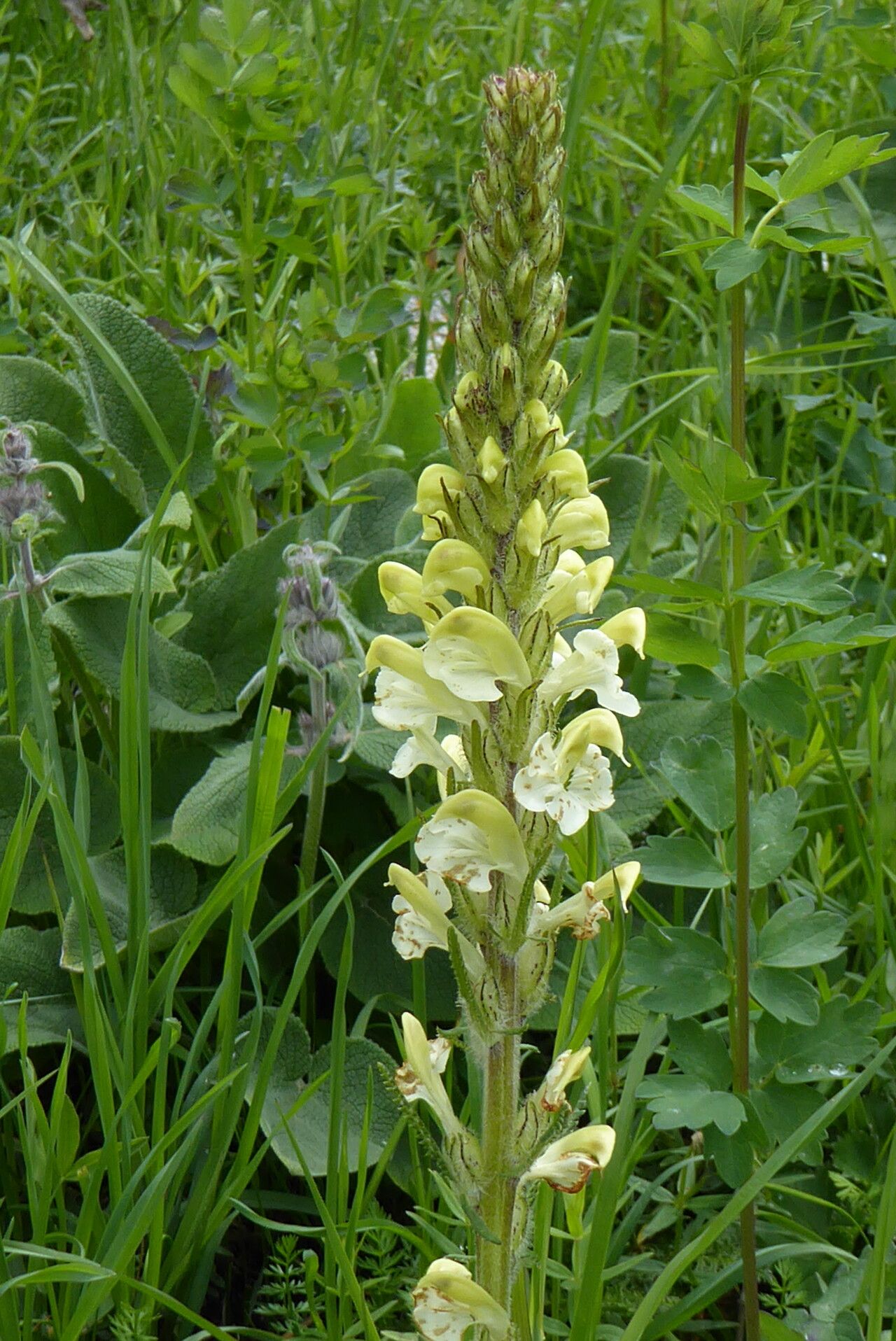
Unlocking the Secrets of the Long-Rooted Lousewort: A Guide to Propagating Pedicularis dolichorrhiza
Pedicularis dolichorrhiza, the long-rooted lousewort, is not your average garden variety flower. This intriguing perennial, native to the alpine meadows of the Himalayas, boasts uniquely beautiful blossoms and fascinating parasitic tendencies. While cultivating this botanical wonder might seem daunting, understanding its unique propagation needs can open up a world of rewarding horticultural experiences.
Seeds of Success: Navigating the Challenges
Propagating Pedicularis dolichorrhiza primarily revolves around seed sowing, though success hinges on a few key factors. This species, like others in the Pedicularis genus, relies on a symbiotic relationship with specific host plants for nutrient absorption. Therefore, mimicking their natural environment is crucial for germination and growth.
Here’s a breakdown of the process:
Sourcing Seeds: Obtaining seeds can be challenging, as this species is not commonly sold in nurseries. Look for reputable online retailers specializing in alpine or unusual seeds.
Timing is Everything: Sow seeds in late fall or early winter, mimicking their natural cycle of cold stratification. This chilling period is essential for breaking dormancy and encouraging germination in spring.
Preparing the Soil: Pedicularis dolichorrhiza thrives in well-drained, slightly acidic soil with good moisture retention. A mixture of peat moss, perlite, and sand replicates their preferred growing medium.
Sowing the Seeds: Due to their small size, surface sow the seeds, pressing them gently into the soil without burying them. Mist the surface lightly and keep the soil consistently moist.
The Host Plant Connection: This is where things get interesting. Pedicularis dolichorrhiza requires a host plant – typically grasses – to survive. Sow grass seeds alongside the Pedicularis seeds, allowing the roots to intertwine.
- Patience is Key: Germination can take several weeks to months. Be patient and don’t be discouraged by slow progress. Once seedlings emerge, thin them to provide adequate spacing for growth.
Beyond Seeds: Exploring Alternative Methods
While seed propagation is the most common method, division might be possible for established plants. However, this method is trickier due to the plant’s delicate root system and its dependence on the host plant.
Nurturing Your Long-Rooted Lousewort
Successfully germinating Pedicularis dolichorrhiza is only half the battle. Providing optimal growing conditions is crucial for their long-term health:
Sunlight: Partial shade is ideal, replicating the dappled sunlight filtering through their natural alpine habitat.
Watering: Maintain consistently moist soil, but avoid overwatering, which can lead to root rot.
Fertilization: As parasites, Pedicularis dolichorrhiza obtain nutrients from their host plants, so additional fertilization isn’t typically necessary.
- Pests and Diseases: These plants are generally pest-free. However, monitor for common garden issues like slugs and snails.
Cultivating Pedicularis dolichorrhiza is a rewarding endeavor for plant enthusiasts seeking a unique horticultural challenge. While it demands patience, understanding their specific needs and replicating their natural environment paves the way for successfully growing these captivating alpine beauties.