
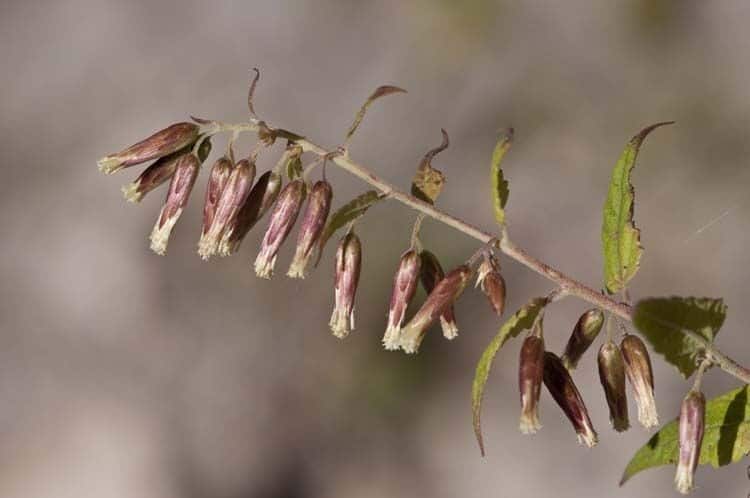
Taming the Wild Beauty: Propagating Brickellia rusbyi for Your Garden
Brickellia rusbyi, with its captivating lavender blooms and feathery foliage, brings a unique charm to any garden. Often found gracing the landscapes of the southwestern United States and Mexico, you might know this perennial beauty better as Rusby’s brickellbush. While readily available at native plant nurseries, propagating your own Brickellia rusbyi can be a rewarding experience for any plant enthusiast. Let’s uncover the secrets of welcoming this wildflower into your own backyard.
Understanding Brickellia rusbyi
Before we delve into propagation techniques, it’s helpful to understand the plant itself. This drought-tolerant perennial thrives in well-drained soil and enjoys basking in full sun to partial shade. Its ability to withstand harsh conditions, along with its extended blooming period from late summer to fall, make it a favorite amongst pollinators and gardeners alike.
Propagation Methods: Seeds vs. Cuttings
Propagating Brickellia rusbyi can be achieved through two primary methods:
1. Seed Propagation:
This method requires a bit of patience but offers the satisfaction of witnessing the entire life cycle of the plant.
- Seed Collection: Collect seeds from mature flower heads in late fall. Look for fluffy, brown seeds attached to white, hair-like structures.
- Winter Sowing: Brickellia seeds benefit from a period of cold stratification to enhance germination rates. Sow seeds in seed trays filled with a well-draining seed starting mix during the winter months. Leave the trays outdoors, protected from harsh weather, or place them in a refrigerator for 4-6 weeks.
- Spring Sowing: After stratification, bring trays to a warm, sunny location. Keep the soil consistently moist but not waterlogged. Germination should occur within 2-4 weeks.
- Transplanting: Once seedlings are large enough to handle, transplant them into individual pots or directly into the garden after the last frost.
2. Propagation from Cuttings:
This method provides a quicker route to establishing new plants, particularly for preserving desirable characteristics of a specific plant.
- Timing is Key: Take softwood cuttings – portions of new growth that are pliable but not overly tender – in late spring or early summer.
- Making the Cut: Using sharp, sterilized pruners, take 4-6 inch cuttings just below a leaf node. Remove the lower leaves, leaving 2-3 pairs at the top.
- Root Hormone (Optional): Dip the cut ends in rooting hormone powder to encourage faster root development.
- Planting the Cuttings: Plant the cuttings in a well-draining rooting mix. Keep the mix consistently moist and provide humidity by covering the cuttings with a plastic bag or dome.
- Rooting Time: Cuttings usually take 4-6 weeks to develop a robust root system. Gently tug on a cutting to check for resistance, which indicates successful rooting.
- Transplanting: Once rooted, carefully transplant the cuttings into individual pots or directly into the garden.
Caring for Your New Plants
Brickellia rusbyi is a relatively low-maintenance plant once established. Provide regular watering during the first year, especially during dry spells. Applying a layer of organic mulch around the base of the plant helps retain soil moisture and suppress weeds. Deadheading spent flower heads encourages further blooming and helps keep the plant tidy.
By embracing either of these propagation methods, you can readily multiply your collection of these beautiful wildflowers. Brickellia rusbyi, with its simple elegance and ability to attract pollinators, is sure to become a cherished addition to any garden that embraces a touch of the wild.