
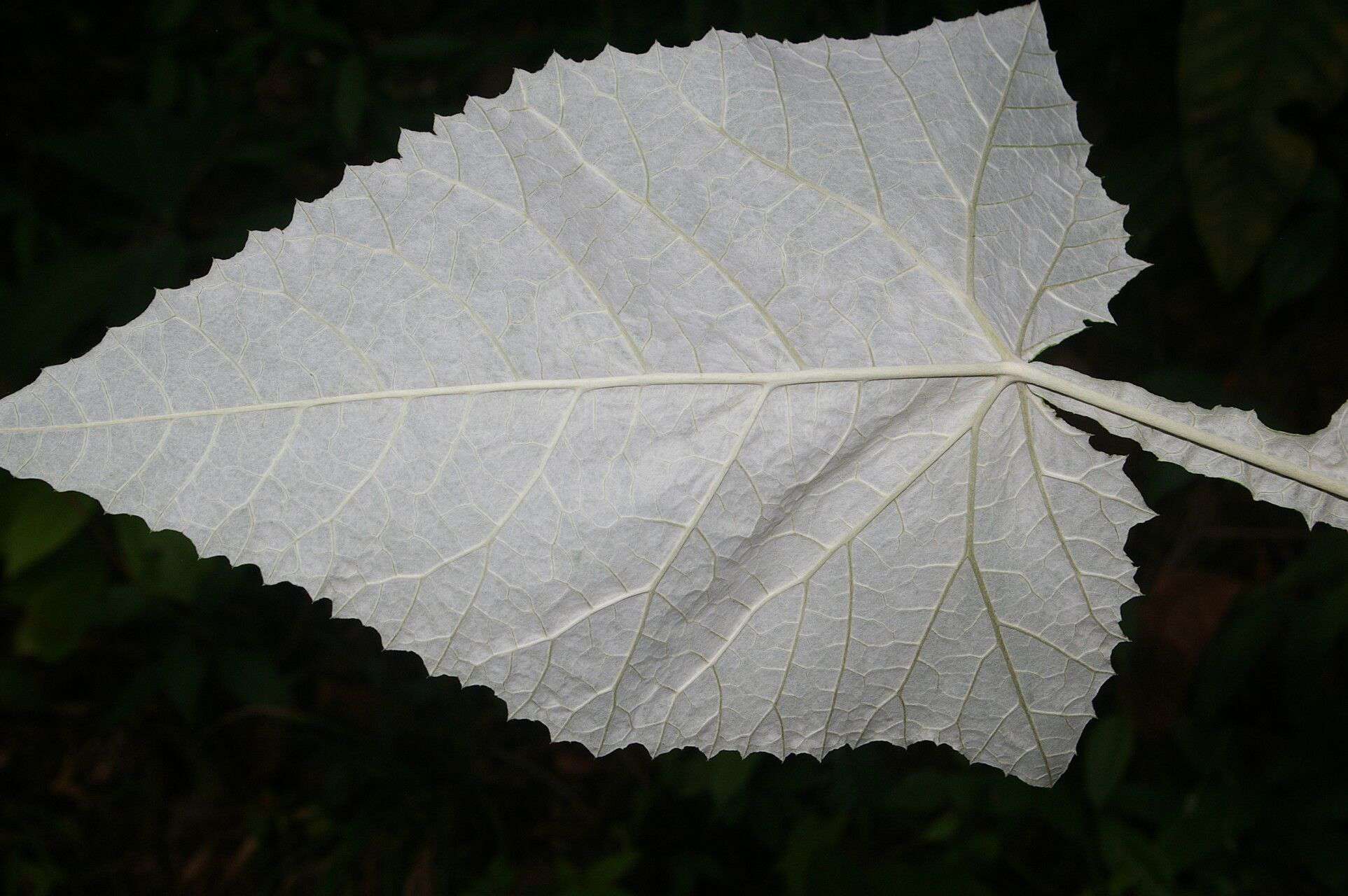
Unveiling the Secrets of Onoseris Silvatica Propagation: A Guide to Growing This Andean Beauty
Onoseris silvatica, a captivating flowering plant native to the high Andes, captivates with its vibrant blooms and intriguing foliage. While lesser-known than some of its botanical brethren, this species represents a hidden gem for intrepid gardeners seeking unique additions to their collection.
For those enchanted by its beauty and eager to embark on a propagation journey, understanding its nuances is key. This guide delves into the secrets of cultivating new Onoseris silvatica plants, empowering you to navigate the process with confidence.
Two Paths to Propagation:
Onoseris silvatica can be propagated through two primary methods:
Seeds: Harnessing the plant’s natural reproductive cycle offers a rewarding, albeit slightly more time-consuming, approach.
- Cuttings: This technique provides a faster route to new plants by leveraging the parent plant’s existing growth.
Sowing Seeds of Success:
- Source Carefully: Obtain seeds from reputable sources specializing in rare or unusual plants. Freshness is paramount for optimal germination rates.
- Mimicking the Andes: Onoseris silvatica thrives in well-draining soil mimicking its high-altitude habitat. A mix of peat moss, perlite, and sand proves ideal.
- Sowing Depth: Plant seeds shallowly, barely covering them with the soil mixture.
- Warmth and Humidity: Maintain a consistent temperature around 65-75°F (18-24°C). Employ a humidity dome or mist regularly to create a greenhouse-like environment.
- Patience is Key: Germination can be slow, taking several weeks or even months. Remain patient and diligent with watering, ensuring the soil remains consistently moist but not waterlogged.
The Art of Taking Cuttings:
- Timing is Everything: Choose healthy, actively growing stems for cuttings. Spring or early summer usually offers the best chance of success.
- Making the Cut: Using sterilized pruning shears, cut a 4-6 inch section from the tip of a stem, ensuring the cut is just below a leaf node.
- Hormone Boost: Dip the cut end in rooting hormone to accelerate root development.
- Planting the Cutting: Insert the cutting into a pot filled with the same well-draining soil mixture used for seeds.
- Creating a Humid Haven: Cover the pot with a clear plastic bag or use a propagation dome to maintain humidity.
- Root Development: Within several weeks, roots should begin to form. Once you observe new growth, transplant the cutting into a larger pot.
Nurturing Your Onoseris Silvatica:
Regardless of your chosen propagation method, providing optimal care is crucial for your new plants to flourish:
- Bright, Indirect Light: Position your Onoseris Silvatica in a location that receives ample indirect sunlight.
- Consistent Watering: While tolerant of some dryness, this species prefers consistently moist (but not soggy) soil. Allow the top inch to dry out slightly between waterings.
- Fertilizing for Growth: Feed your plants every 4-6 weeks during the growing season (spring and summer) using a balanced liquid fertilizer diluted to half-strength.
A Rewarding Journey:
Propagating Onoseris silvatica might require patience and dedication, but witnessing the emergence of new life from seed or cutting offers a deeply fulfilling experience. Successfully cultivating this Andean beauty grants access to a unique botanical treasure, allowing you to introduce its exquisite charm to your own garden sanctuary.