
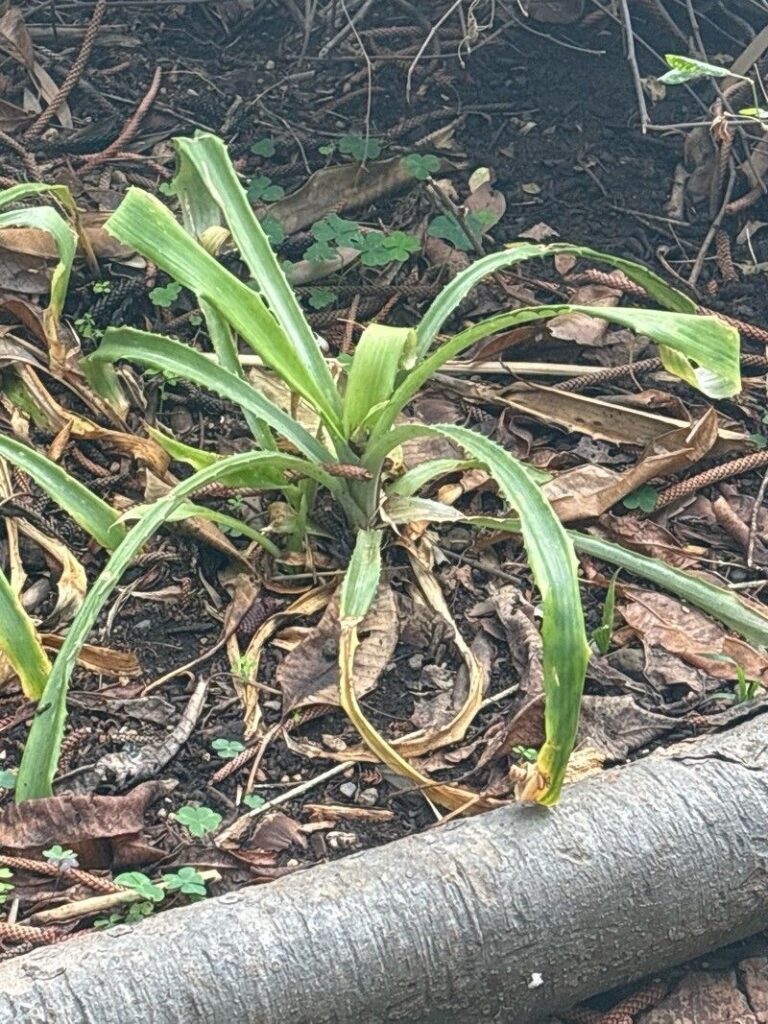
From One Bromelia Karatas to Many: Unlocking the Secrets of Propagation
The Bromelia karatas, with its striking architectural form and showy blooms, is a plant that commands attention. But did you know that this captivating foliage can be easily propagated, allowing you to share its beauty with others or simply multiply your own collection?
This blog post will delve into the fascinating world of Bromelia karatas propagation, guiding you through the easiest and most effective methods to bring new life to this captivating plant species.
Understanding Bromelia Karatas: A Quick Overview
Before we dive headfirst into propagation, let’s take a moment to appreciate the Bromelia karatas itself. A native of tropical regions, this plant boasts stiff, sword-shaped leaves that form rosettes, creating a unique and dramatic presence. Its vibrant flowers, often red, orange, or yellow, sprout from the center of the rosette, adding a splash of color to any landscape.
Methods of Propagation: Choosing the Right Path
Bromelia karatas can be propagated through two primary methods:
- Offshoots (Pups): The most common and foolproof method involves using offshoots, also known as pups, which grow at the base of the mother plant. These miniature versions of the parent plant are essentially clones, inheriting all its unique characteristics.
- Seed Propagation: While less common, Bromelia karatas can also be propagated from seeds. This method is a bit more time-consuming but offers the potential for creating new, unique variations – a captivating prospect for plant enthusiasts.
Detailed Propagation Guide:
1. Offshoot Propagation (Pups):
- Separation: Once the pup reaches about one-third the size of the mother plant, gently separate it from the main plant.
- Carefully Cut: Using a sharp, sterile knife or pruning shears, cleanly sever the pup from the mother plant, making sure to leave a small portion of stem attached.
- Planting: Plant the pup in a well-draining potting mix, slightly burying the stem in the soil.
- Moisture and Light: Keep the soil consistently moist, but avoid overwatering. Provide bright, indirect light.
2. Seed Propagation:
- Harvest Seeds: Wait for the fruit to ripen and then carefully extract the seeds.
- Seed Scarification: To aid germination, gently rub the seeds against sandpaper or a rough surface to soften the outer coating.
- Seed Starting Mix: Sow seeds in a seed starting mix that drains well.
- Warmth and Moisture: Maintain a warm environment of around 75°F (24°C) and keep the soil consistently moist.
- Patience: Seed propagation takes patience as germination can take several weeks to several months.
Tips for Success:
- Clean Tools: Always sterilize your tools before using them to minimize the risk of introducing pests or diseases to your plants.
- Well-draining Soil: Use a well-draining soil mix to prevent root rot, especially for young plants.
- Patience and Observation: Propagation takes time. Observe your plants closely and adjust care as needed.
Conclusion:
Propagating Bromelia karatas isn’t just about creating new plants, it’s about connecting with the beauty of nature and nurturing life. With a little knowledge and care, you can easily multiply your prized Bromelia karatas and share its stunning presence with others. Enjoy the journey of watching these captivating plants grow and thrive!