
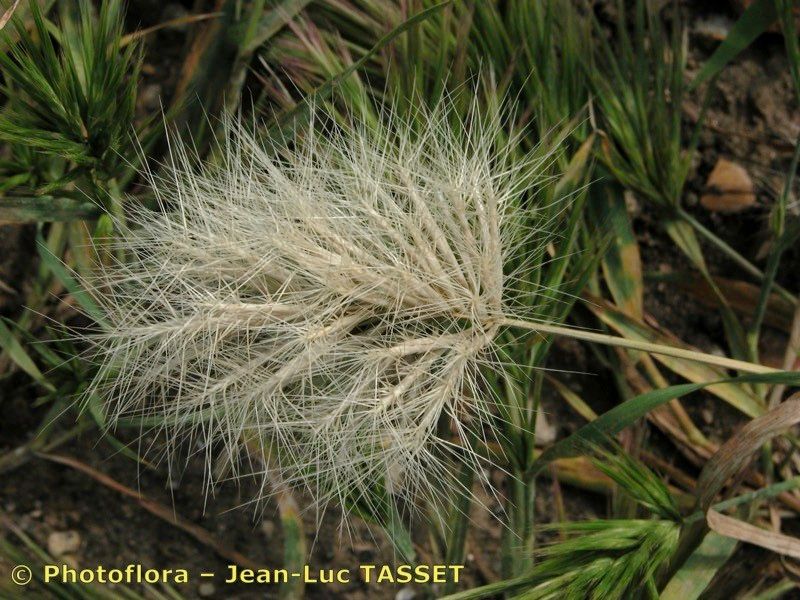
Propagating Bromus pumilio: A Low-Growing Challenge
Introduction:
Bromus pumilio, commonly known as low brome or sheep brome, is a charming, low-growing bunchgrass prized for its fine texture, bluish-green foliage, and airy seed heads. Its drought tolerance and adaptability make it a popular choice among gardeners seeking low-maintenance ground cover or ornamental grasses for rock gardens and xeriscapes. While relatively easy to establish from purchased plants, propagating Bromus pumilio from seed or cuttings presents a unique set of challenges, adding to the satisfaction of successful cultivation. Its genetic diversity also makes seed propagation particularly appealing to those wanting to grow plants from different seed sources.
Seed Germination:
Seed germination is a viable, albeit challenging method for propagating Bromus pumilio. The primary hurdle lies in the dormancy mechanisms of the seeds. Many seeds require a period of stratification (cold, moist treatment) to break dormancy and initiate germination.
Challenges: Low germination rates are common, even with stratification. Seed quality, age, and environmental conditions all significantly influence success.
Practical Tips: Collect seeds as soon as they mature but are still green. Sow seeds in a well-draining seed-starting mix. Prior to sowing, subject seeds to a period of cold, moist stratification for approximately 6-8 weeks at 3-5°C (37-41°F) in a moist medium (e.g., vermiculite). Sow seeds thinly on the surface, barely covering them with the mix. Maintain consistent moisture and high humidity until germination occurs, usually 2-4 weeks after stratification.
Rewards: Seed propagation offers the potential for large-scale propagation and introduces valuable genetic diversity to your garden.
Cuttings:
Currently, there are no known reliable methods for propagation of Bromus pumilio via cuttings. This species is not known to readily root from stem or basal cuttings.
Division:
Division is a relatively straightforward and reliable method for propagating Bromus pumilio.
Challenges: The best time for division is during spring or early fall when plants are actively growing but not under stress from heat. Dividing too early or late in the season can compromise vigor. Improper division can damage the plant’s root system.
Practical Tips: Carefully dig up the established clump. Use a sharp knife or spade to divide the clump into smaller sections, ensuring each section has sufficient roots and foliage. Replant divisions immediately, spacing them appropriately. Water well after planting.
Rewards: Division is more reliable and quicker compared to seed propagation and results in mature plants sooner, replicating any desirable traits of the mother plant.
Tissue Culture:
There is limited information available regarding tissue culture propagation of Bromus pumilio. While theoretically possible, establishing a successful protocol would require specialized equipment, expertise, and considerable experimentation. It is not a practical method for home gardeners.
Conclusion:
Propagating Bromus pumilio presents unique challenges, with seed germination and division offering the most viable pathways. While seed propagation provides the advantage of genetic variability, it can be time-consuming and presents lower success rates than division. Division, although simpler, limits genetic diversity and requires an already established plant. The rewards, however – the satisfaction of nurturing these small plants into lush, healthy clumps that contribute to a successful garden – are substantial. Those interested in propagation should be patient and persistent, experimenting with different techniques and conditions to find what works best for their environment and resources. The small challenges of propagation for this species make the eventual success all the more rewarding.