
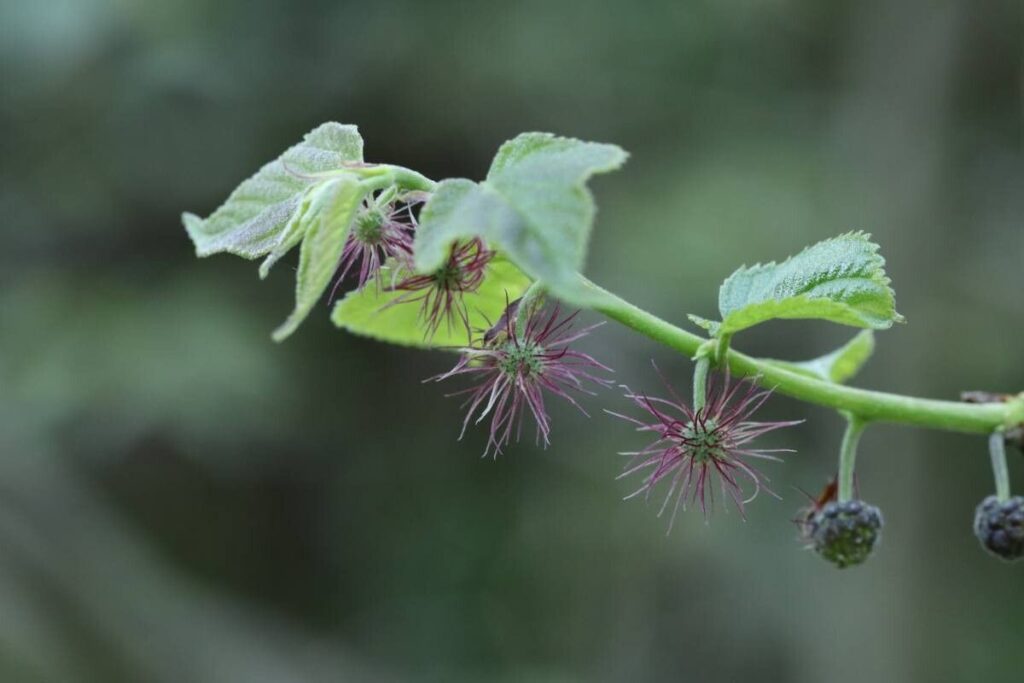
From Seed to Splendor: Bringing Life to the Paper Mulberry
The Paper Mulberry (Broussonetia monoica) is a fast-growing, hardy tree with a fascinating history. Native to Asia, it has been used for centuries to create paper, clothing, and even food. But don’t be fooled by its “common name,” this stunning tree can be a beautiful addition to any landscape, adding an exotic touch with its large, heart-shaped leaves and dramatic, cascading branches.
If you’re looking to add this unique tree to your own garden, you’re in luck! The Paper Mulberry is surprisingly easy to propagate, meaning you can grow your own tree from either seeds or cuttings. Let’s dive into the details:
Starting from Seed:
- Collect Seeds: Paper Mulberry seeds are tiny and brown, clustered within small, fleshy fruit. You can collect them directly from the tree in late summer or early fall.
- Prepare the Soil: Choose a well-draining potting mix and fill containers with it. Gently dampen the soil but avoid making it soggy.
- Sowing the Seeds: Place the seeds on the surface of the soil and cover them with a very thin layer of soil.
- Provide Warmth: The ideal temperature for seed germination is around 70-75 degrees Fahrenheit. You can achieve this by placing the containers in a warm location or using a heat mat.
- Maintain Moisture: Keep the soil consistently moist but not overly wet. Seedlings should appear within 2-3 weeks.
Propagating from Cuttings:
- Choose Your Cutting: The best time to take cuttings is in the spring or summer, when the tree is actively growing. Select healthy, new growth, about 6-8 inches long.
- Prepare the Cutting: Remove the leaves from the bottom 2-3 inches of the cutting and make a clean, angled cut at the base.
- Dip in Rooting Hormone: For increased success, you can dip the cut end of the cutting in a rooting hormone powder.
- Plant the Cutting: Fill a pot with a rooting mix and make a small hole in the center. Insert the cutting, making sure the leaves are above the soil line.
- Maintain Moisture: Keep the rooting mix consistently moist, and place the pot in a warm, shady location. Roots should develop within 4-6 weeks.
Tips for Success:
- Sun and Water: Paper Mulberries thrive in full sun to partial shade and prefer well-drained soil. However, they are quite adaptable and can tolerate some drought.
- Fertilizer: Regular fertilization during the growing season will help to maintain vigorous growth.
- Pruning: While Paper Mulberries can become quite large, they are easily pruned to stay within desired sizes and shapes.
- Pests and Diseases: Paper Mulberries are generally pest and disease resistant. However, you may need to watch out for aphids, spider mites, or fungal leaf spots.
Beyond the Garden:
The Paper Mulberry’s versatility extends far beyond its ornamental uses. Its inner bark has long been used by various cultures for papermaking, hence its name. Its leaves are also edible and can be used in salads, soups, or even cooked like spinach.
Conclusion:
From its impressive foliage to its historical significance, the Paper Mulberry is a fascinating tree with a lot to offer. Whether you’re looking to add a touch of the exotic to your garden, learn about traditional crafts, or simply explore the world of edible plants, this easy-to-propagate tree is a rewarding choice for both beginner and experienced gardeners alike.