
Propagating Paper Mulberry (Broussonetia papyrifera): A Gardener’s Guide
Introduction:
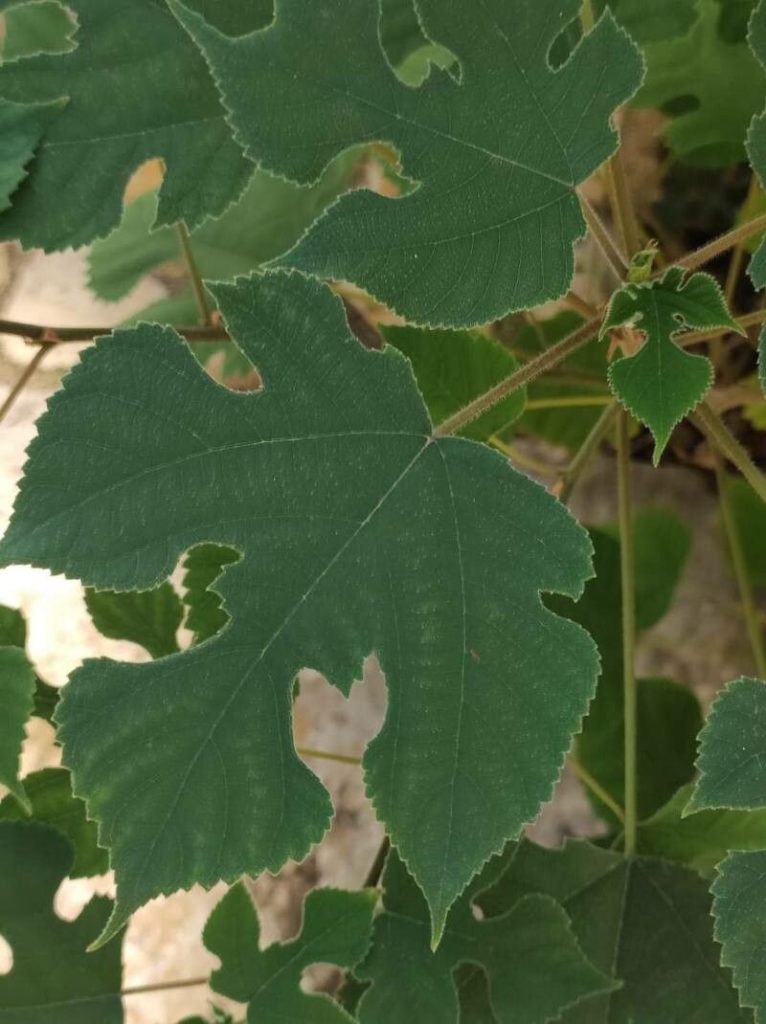
Broussonetia papyrifera, commonly known as paper mulberry, is a fast-growing, deciduous tree renowned for its versatility and historical significance. Its bark has been used for centuries in paper-making, and its attractive, lobed leaves and interesting growth habit make it a popular choice among gardeners for landscaping and as a specimen plant. However, its vigorous growth can also be considered invasive in some regions. Propagating paper mulberry can present unique challenges, but the rewards – a thriving tree with a fascinating history – are well worth the effort. This article explores various propagation methods to help gardeners successfully cultivate this remarkable species.
Seed Germination:
Currently, there are no known reliable methods for seed germination propagation of Broussonetia papyrifera. While seeds are produced, their viability is notoriously low, and germination rates are exceptionally poor under most conditions. Factors contributing to this include potential dormancy issues and the susceptibility of the seeds to fungal diseases.
Cuttings:
1. Viability: Softwood and semi-hardwood cuttings are the most reliable methods for propagating Broussonetia papyrifera.
2. Practical Tips: Cuttings should be taken in spring or early summer (softwood) or late summer (semi-hardwood). Choose healthy, non-flowering shoots, 4-6 inches long. Remove lower leaves, dip the base in rooting hormone, and plant in a well-draining, moist propagation mix (e.g., perlite and peat moss). Maintain high humidity (e.g., using a humidity dome or misting regularly) and moderate temperatures. Rooting typically takes several weeks.
3. Rewards: Cuttings offer a relatively quick and simple method to achieve a high success rate compared to other methods, ensuring genetic consistency with the parent plant.
Division:
1. Viability: Division is a viable method for propagating paper mulberry, particularly for smaller plants or suckers emerging from the base of established trees.
2. Practical Tips: Carefully dig up the plant, ideally in early spring or late fall when the plant is dormant. Divide the root system into sections, ensuring each section has healthy roots and shoots. Replant the divisions immediately, ensuring the soil is well-prepared and watered.
3. Rewards: Division allows for rapid multiplication of a desirable plant, maintaining its genetic traits. This is particularly useful for propagating specific cultivars or plants with unique characteristics.
Tissue Culture:
1. Viability: Tissue culture offers a reliable method for large-scale propagation and the production of disease-free plants, although it’s technically more demanding.
2. Practical Tips: This method requires a sterile laboratory environment and specialized skills and equipment. Sterile explants (tissue samples) are taken from the plant and grown on nutrient-rich agar media under controlled conditions. Once sufficient growth is achieved, plantlets can be transferred to individual pots for further growth.
3. Rewards: Tissue culture allows for rapid multiplication of superior genetic material, offering disease-free plants and the potential for mass production of commercially valuable cultivars.
Conclusion:
Propagating Broussonetia papyrifera presents unique challenges and rewards. While seed germination is unreliable, cuttings offer a straightforward approach, while division is suitable for smaller plants. Tissue culture offers an advanced technique for large-scale propagation. The success of each method depends on careful attention to detail, appropriate timing, and providing ideal environmental conditions. Overcoming the hurdles involved in cultivating this remarkable plant brings a unique satisfaction, appreciating the historical significance and ornamental beauty of the paper mulberry. Don’t be discouraged by initial setbacks; persistence and patience are key to successfully propagating this fascinating species. Choose the method best suited to your experience and resources, and enjoy the journey of bringing a piece of history into your garden.