
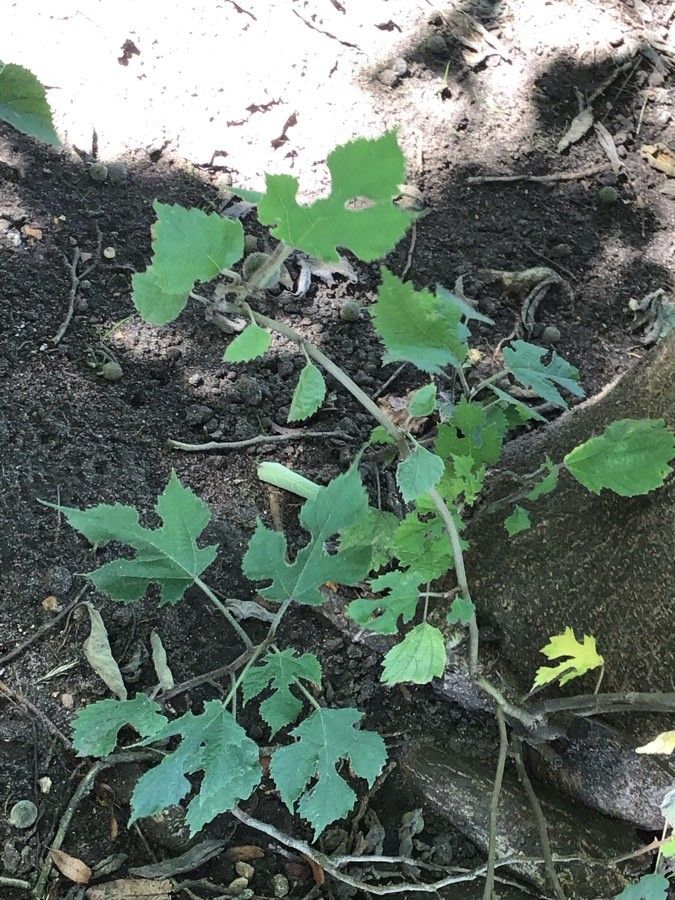
Propagating Paper Mulberry (Broussonetia × kazinoki): A Gardener’s Guide
Introduction:
Broussonetia × kazinoki, commonly known as Paper Mulberry, is a captivating hybrid tree prized for its striking foliage, interesting bark, and tolerance of a wide range of conditions. Its attractive, often variegated, leaves and rapid growth make it a popular choice among gardeners, landscapers, and bonsai enthusiasts. However, its hybrid nature presents unique challenges when it comes to propagation, resulting in some methods being more effective than others. Unlike its parent species, B. papyrifera, seed production may be more sporadic, thus highlighting the importance of exploring multiple propagation techniques.
Seed Germination:
Currently, there are no known reliable methods for seed germination propagation of Broussonetia × kazinoki. The hybrid nature of the plant often results in reduced or absent seed viability, and even when seeds are produced, their germination rate is notoriously low. This is primarily due to the complex genetic makeup resulting from the hybridization, leading to sterility or greatly decreased seed fertility.
Cuttings:
Cuttings offer a much more reliable method for propagating Broussonetia × kazinoki.
Challenges: Success with cuttings depends heavily on timing and technique. Hardwood cuttings taken in late autumn or winter have a lower success rate than semi-hardwood cuttings taken in late spring or early summer. The rapid growth also means that cuttings can easily dry out.
Practical Tips: Take semi-hardwood cuttings, about 4-6 inches long, from new growth. Remove lower leaves, dip the cut end in rooting hormone, and plant in a well-draining propagation mix kept consistently moist but not waterlogged. A humidity dome or propagation case will significantly improve success rates. Bottom heat can also spur faster root development.
Rewards: This method preserves the desirable characteristics of the parent plant, producing genetically identical offspring. This is particularly valuable when propagating a cultivar with unique leaf variegation or other desirable traits.
Division:
Division is a viable method primarily for smaller, multi-stemmed specimens of Broussonetia × kazinoki.
Challenges: This technique is limited by plant size and maturity. Larger, more established plants are generally too difficult to successfully divide. Root damage during division can also negatively impact survival rates.
Practical Tips: The best time for division is during the early spring or fall when the plant is dormant. Carefully dig up the plant, separating it into sections, ensuring each section has a sufficient root system and several healthy stems. Plant the divisions immediately in well-prepared soil.
Rewards: Division allows for quick propagation of small plants, generating multiple identical plants.
Tissue Culture:
Tissue culture offers a potentially high-yield method for propagating Broussonetia × kazinoki.
Challenges: This technique requires specialized equipment, sterile conditions, and expertise in plant tissue culture techniques. It is a far more complex and expensive method than cuttings or division.
Practical Tips: This method usually involves culturing shoot tips or nodal segments on a sterile nutrient medium. The resulting plantlets are then transferred to individual pots after several weeks or months.
Rewards: Tissue culture offers the possibility of mass propagation of desirable cultivars, and helps preserve rare or endangered genotypes.
Conclusion:
Propagating Broussonetia × kazinoki presents various challenges, with seed propagation proving unreliable. Cuttings represent the most accessible and practical method for most home gardeners, offering a high success rate with proper technique. Division provides an alternative for smaller plants, while tissue culture presents the option for large-scale propagation, though it is more complex and costly. Despite the hurdles, the satisfaction of successfully nurturing a cutting into a thriving Paper Mulberry—witnessing its rapid growth and unique beauty unfold—makes the effort worthwhile, offering a truly rewarding experience for the dedicated propagator. Remember patience and persistence are key ingredients for success!