
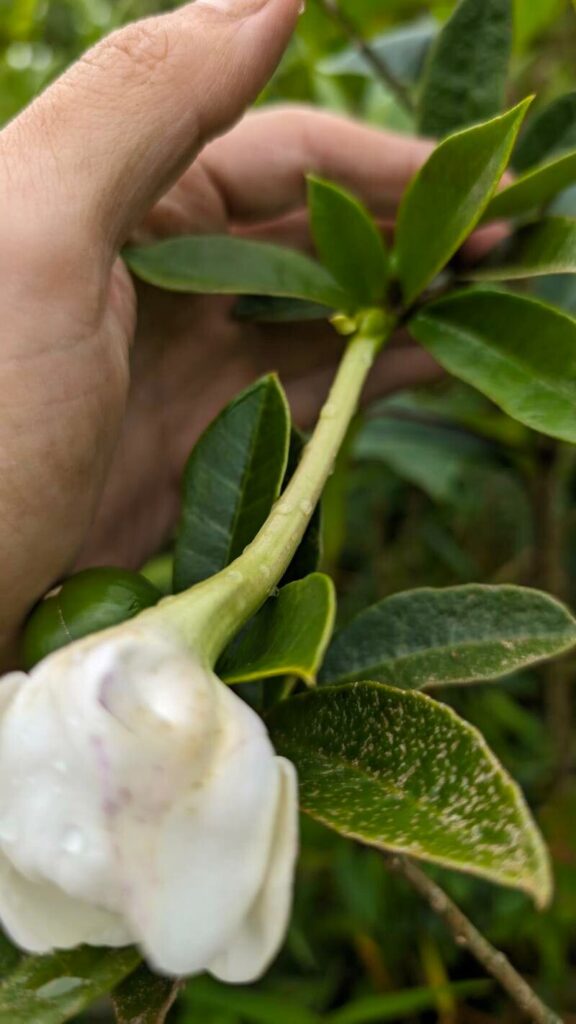
Unveiling the Secrets of Propagating the Milky Way Plant (Brunfelsia lactea)
The Brunfelsia lactea, affectionately nicknamed the “Milky Way Plant” for its stunning display of white-to-purple blooming flowers, is a sight to behold. This tropical beauty, native to Brazil, can transform any space into a vibrant paradise. But did you know that propagating your very own Milky Way Plant is an attainable feat, even for those without a green thumb? Let’s delve into the fascinating world of Brunfelsia lactea propagation and uncover the secrets to multiplying your floral treasures.
Two Paths to Propagation:
Primarily, there are two methods to propagate the Brunfelsia lactea:
-
Stem Cuttings: This is the most common and relatively straightforward method.
- Seeds: While possible, propagating from seeds can be more challenging and is less predictable in terms of replicating the parent plant’s characteristics.
Mastering Stem Cuttings:
Here’s a step-by-step guide to successfully propagate Brunfelsia lactea from stem cuttings:
-
Timing is Key: The ideal time for taking cuttings is during the plant’s active growing season, which typically falls in spring or early summer.
-
Selecting the Perfect Cutting: Look for healthy, non-flowering stems that are about 4-6 inches long. Using a clean, sharp knife or pruning shears, make a cut just below a leaf node (the slightly swollen area where a leaf emerges).
-
Prepping for Success: Remove the leaves from the bottom two-thirds of the cutting, leaving only a few leaves at the top.
-
Hormone Boost (Optional): Dipping the cut end of the stem in rooting hormone can encourage faster root development, but it’s not strictly necessary.
-
Creating the Rooting Environment: You can choose between two rooting mediums:
- Water: Place the cutting in a glass or jar filled with clean water, ensuring that no leaves are submerged. Change the water every other day to prevent bacterial growth.
- Soil: Use a well-draining potting mix, preferably one that’s light and airy. Make a small hole in the soil and gently insert the cutting, ensuring the bottom nodes are buried.
-
Patience is a Virtue: Place the cutting in a warm, bright location, but out of direct sunlight. Maintain a humid environment by covering the cutting with a plastic bag or using a humidity dome.
- Signs of Success: In a few weeks, you should start to see new roots forming, particularly for water-propagated cuttings. Once the roots are about an inch long, you can transplant the cutting into a pot filled with well-draining soil.
Propagating from Seeds: A Labor of Love
While more demanding, growing Brunfelsia lactea from seeds offers a unique sense of accomplishment. Here’s what you need to know:
-
Seed Source: Collect ripe seeds from your existing Brunfelsia lactea plant or obtain them from a reputable supplier.
-
Sowing the Seeds: Similar to stem cuttings, use a well-draining potting mix. Sow the seeds about half an inch deep and mist the soil gently.
-
Warmth and Humidity: Place the seed tray in a warm location, ideally with bottom heat (a seedling heat mat works wonders). Cover the tray with a humidity dome or plastic wrap to retain moisture.
-
Germination Patience: Seed germination can be unpredictable and may take several weeks or even months. Continue to provide warmth, humidity, and indirect light.
- Transplanting: Once the seedlings are a few inches tall and have developed a healthy root system, you can transplant them into individual pots.
Enjoying Your Propagated Milky Way:
Successfully propagating Brunfelsia lactea is a rewarding experience. As your new plants mature, they will reward you with the same mesmerizing blooms that captivated you in the first place. Remember to provide them with the care they need – well-draining soil, bright, indirect light, and regular watering – and they will thrive for years to come, bringing a touch of the Milky Way’s magic into your home.