
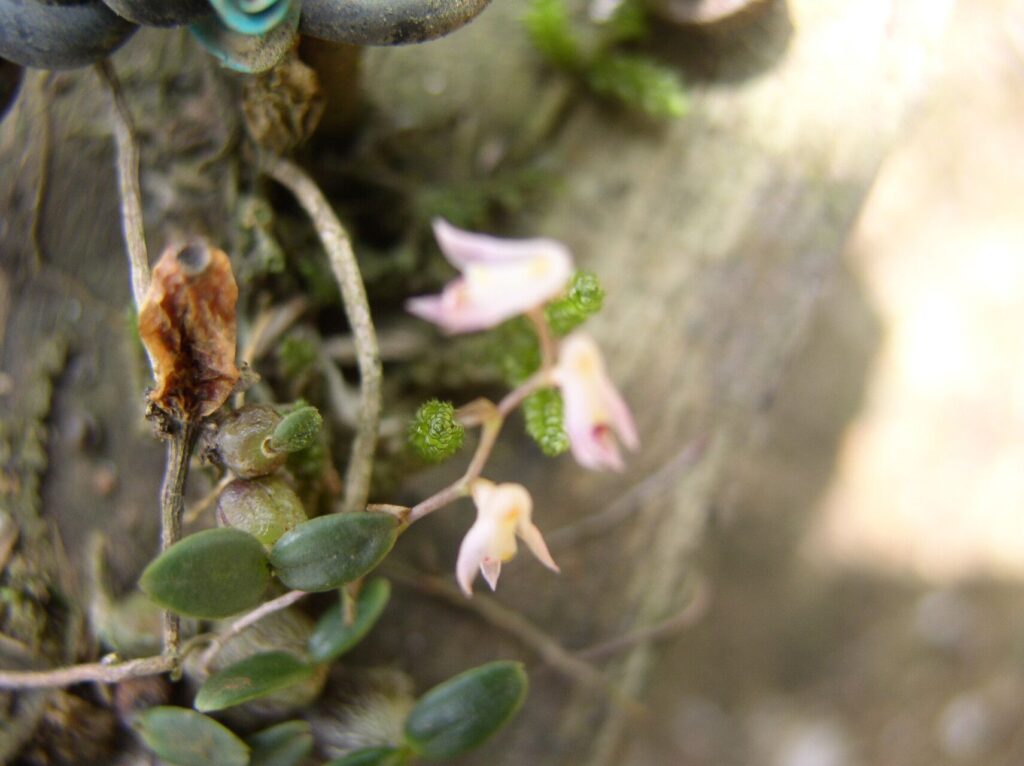
From One to Many: Unveiling the Secrets of Bulbophyllum apetalum Propagation
The Bulbophyllum apetalum, with its unique and alluring blooms, has captivated orchid enthusiasts around the world. But what if you could share this captivating beauty with others – or simply expand your own collection? That’s where propagation comes in. While it might seem daunting, the art of propagating this fascinating orchid is within reach, even for beginner growers.
Understanding Bulbophyllum apetalum’s Growth Habits:
The Bulbophyllum apetalum, a member of the Bulbophyllum genus, is known for its epiphytic nature, meaning it thrives attached to trees in its natural habitat. This growth habit influences its propagation methods. The plant grows in clusters called sympodial, where each new growth emerges from the base of the previous pseudobulb. This cluster formation is crucial for understanding how to propagate this orchid.
Unveiling the Propagation Methods:
-
Division: A common and effective method for Bulbophyllum apetalum propagation is division. This technique involves separating a mature, healthy clump into smaller divisions, each with at least 3-4 pseudobulbs and a healthy root system. This method is best suited for well-established plants.
- Timing: The best time for division is during the active growth phase, typically spring or early summer.
- Procedure: Carefully remove the plant from its pot, gently untangle the roots, and use a sharp, sterile knife or pruning shears to divide the clump. Ensure each division has its own healthy root system.
- Replanting: Repot each division in fresh, well-draining orchid potting mix and provide consistent humidity and adequate light.
-
Keiki: These are baby plants that emerge from the base of the pseudobulbs or sometimes along the flower stalk. These keikis usually develop their own roots, making them ideal for propagation.
- Timing: Keikis typically appear during the plant’s active growth phase.
- Procedure: Once the keiki has developed a strong root system, carefully separate it from the mother plant using a sharp, sterilized tool.
- Repotting: Plant the keiki in a small pot with airy orchid mix, ensuring the roots are covered and the potting medium is kept consistently moist but not soggy.
-
Seed Propagation: While this method is time-consuming and requires specialized equipment and knowledge, it offers a unique potential for creating new varieties.
- Timing: Seed propagation is best done in controlled environments with optimal humidity and temperature conditions.
- Procedure: Seeds need sterile conditions to germinate. They are typically sown on agar plates or in a specialized propagation medium.
- Development: Seeds need several weeks or even months to germinate and grow. The resulting seedlings require constant monitoring and careful care.
Important Considerations:
- Sterilization: Always use sharp, sterile tools to prevent the spread of diseases.
- Watering: Provide consistent moisture, but avoid overwatering, which can lead to root rot.
- Humidity: Maintaining high humidity is essential for Bulbophyllum apetalum, especially during propagation. This can be achieved using a humidifier or by grouping plants together to enhance humidity.
- Light: Provide bright, indirect light, avoiding direct sunlight.
- Patience: Propagation takes time, so be patient and consistent in your care.
Conclusion:
Propagating your Bulbophyllum apetalum allows you to share this orchid’s unique charm with others or establish a thriving collection of your own. Remember, each propagation method has its own nuances and demands a particular approach. By understanding the plant’s growth habits and following the appropriate techniques with patience and care, you can unlock the endless possibilities in propagating this beautiful orchid.