
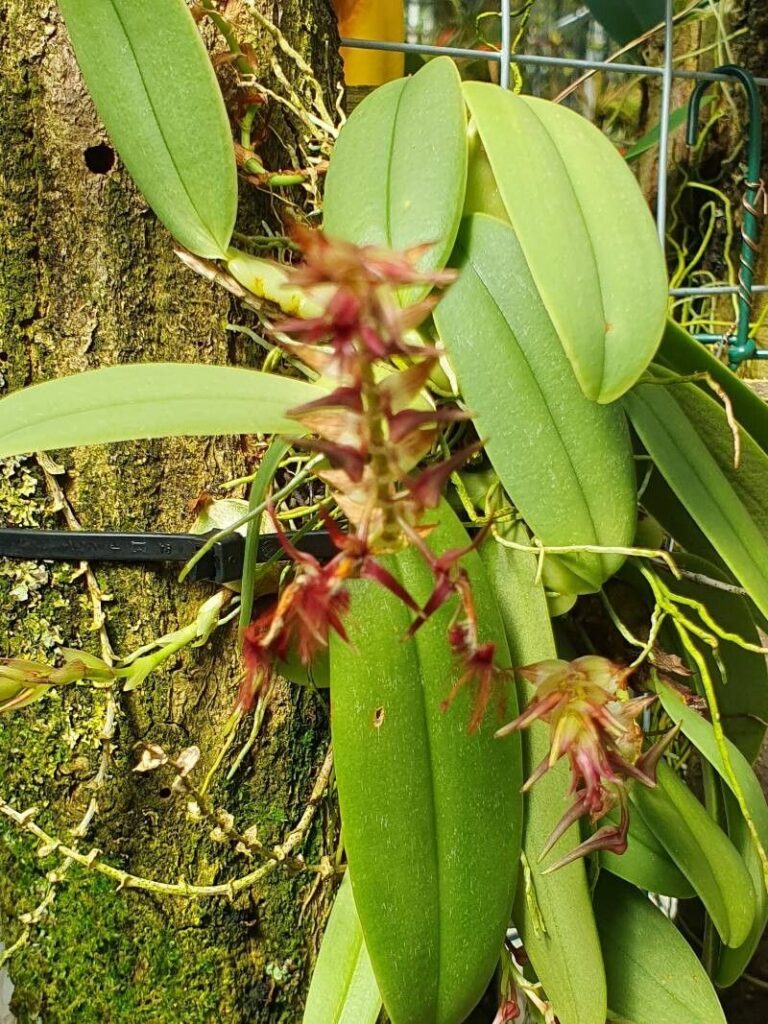
Whisker Wonders: Unlocking the Secrets to Propagating Bulbophyllum barbigerum
The Bulbophyllum barbigerum, affectionately known as the “Whisker Orchid” for its charming, whisker-like appendages, is a captivating addition to any orchid enthusiast’s collection. But like many treasures, unlocking its secrets, particularly propagation, can feel daunting. Fear not, fellow orchid aficionados, for we’re about to delve into the intriguing world of propagating this fascinating species.
Understanding the Whisker Orchid
Native to the tropical rainforests of Southeast Asia, Bulbophyllum barbigerum is an epiphytic orchid, meaning it grows on other plants rather than in soil. Its unique charm comes from the long, slender appendages that dangle from its flowers, resembling delicate whiskers. These “whiskers” move in the slightest breeze, attracting pollinators with their mesmerizing dance.
Propagation: Two Avenues to Explore
While the prospect of propagating orchids might seem intimidating, Bulbophyllum barbigerum offers two relatively straightforward methods:
1. Division: As with many orchid species, division is the most common and reliable propagation method for mature, healthy plants. Here’s what you need to do:
- Timing is Key: Spring, just as the plant begins its active growth period, is the optimal time for division.
- Tools of the Trade: You’ll need a sterilized, sharp cutting tool (pruning shears or a razor blade), a pot with drainage holes, and fresh orchid potting mix.
- The Division Process: Carefully remove the plant from its pot and inspect the rhizome (the horizontal stem). Look for sections with at least 3-4 pseudobulbs (the bulb-like structures on the rhizome). Using your sterilized tool, cut the rhizome, ensuring each division has a healthy root system.
- Potting the Divisions: Plant each division in a separate pot with fresh orchid mix, ensuring the base of the pseudobulbs sits slightly above the potting medium. Water sparingly until new growth appears.
2. Back Bulbs: Back bulbs are older, often leafless pseudobulbs found on the rhizome. While they may appear dormant, they hold the potential for new life!
- Identifying Potential: Look for plump, healthy back bulbs with a connection point to the rhizome.
- Creating the Right Environment: Place the back bulb on a bed of slightly moist sphagnum moss within a well-lit, humid environment (a propagator or humidity dome works well).
- Patience is a Virtue: It can take several weeks or even months for new growth to emerge from the back bulb. Keep the moss consistently moist but not waterlogged.
Keys to Success
- Sterilization: Always use sterilized tools to prevent the spread of diseases.
- Potting Medium: Choose a well-draining orchid mix specifically formulated for epiphytes.
- Light & Humidity: Provide bright, indirect light and maintain a humid environment.
- Patience: Remember, propagation takes time. Be patient and don’t be discouraged if you don’t see immediate results.
Propagating your Bulbophyllum barbigerum can be an incredibly rewarding experience, allowing you to expand your collection and share your love for this fascinating species. With a little patience and the right knowledge, you’ll be well on your way to cultivating new “Whisker Orchids” and enjoying their intricate beauty for years to come.