
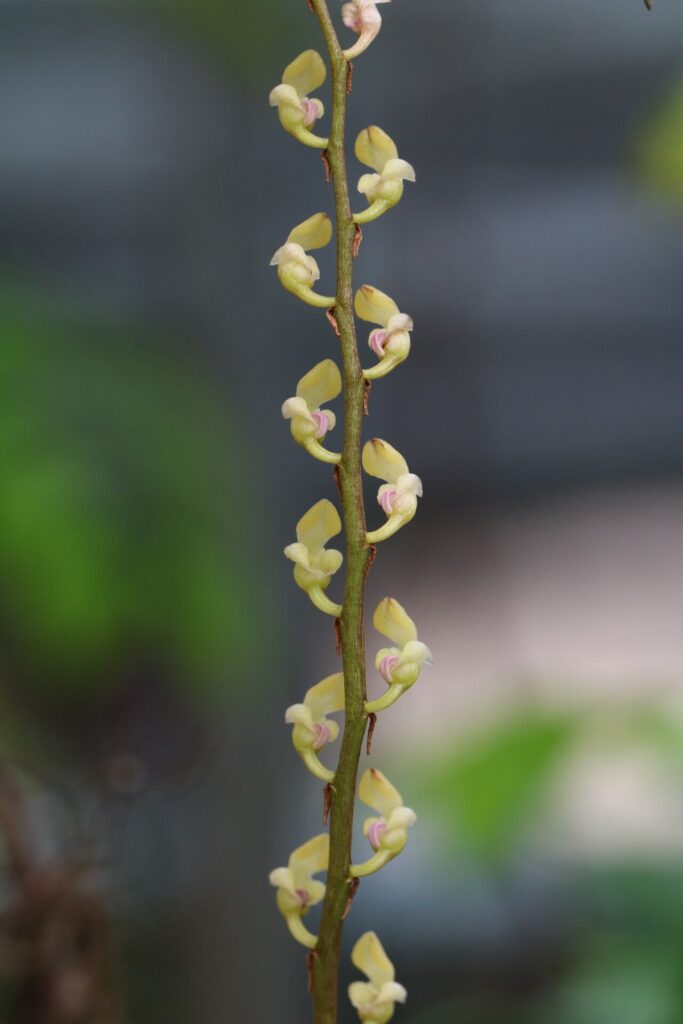
Unlocking the Secrets of Bulbophyllum calyptratum: A Guide to Propagation
For orchid enthusiasts, the allure of Bulbophyllum calyptratum lies in its unusual, fascinating beauty. This captivating species, with its striking, colorful flowers and unique growth habit, is a prized addition to any collection. But what if you could share the joy of this plant with others?
Propagation, the art of creating new plants from existing ones, opens up exciting possibilities for Bulbophyllum calyptratum enthusiasts. While it might seem daunting, it’s actually a manageable process, allowing you to grow your collection, share plants with friends, or even contribute to the conservation of this intriguing species.
Understanding the Basics: A Closer Look at Bulbophyllum calyptratum
Bulbophyllum calyptratum, native to the tropical regions of Southeast Asia, is an epiphytic orchid, meaning it thrives on the surface of other plants, typically trees. Its growth habit is characterized by pseudobulbs, swollen stems that store water and nutrients. These pseudobulbs are connected by rhizomes, creeping stems that produce new growth.
The Art of Propagation: Exploring Different Methods
For Bulbophyllum calyptratum, there are two primary methods of propagation:
- Division: This method involves separating established plants into smaller, independent units. To divide your Bulbophyllum calyptratum, carefully remove it from its pot. Look for natural divisions in the rhizomes, ideally with at least 2-3 pseudobulbs each. Gently separate the divisions, ensuring each segment has healthy roots and leaves. Plant the divisions in fresh, well-draining potting mix, ideally a mix of bark, charcoal, and perlite.
- Meristem Culture: This more advanced technique involves cultivating new plants from a single, specialized plant cell. This process, typically performed in a lab setting, allows for rapid and large-scale propagation, but requires specialized equipment and expertise. While not commonly accessible to home growers, it plays a crucial role in the conservation and commercial production of these fascinating orchids.
Key Tips for Success
Time Matters: The best time for division is during the growing season, usually in the spring or summer when new growth is emerging.
Sanitation is Crucial: Before and after handling your Bulbophyllum calyptratum, sterilize all tools with rubbing alcohol to prevent the spread of disease.
Patience is Key: Propagation, especially through division, requires patience. Newly divided plants might take time to establish themselves. Keep them in a warm, humid environment and provide consistent, indirect light.
Environment is Everything: The success of your Bulbophyllum calyptratum propagation relies on creating the right conditions. Mimic their natural habitat by providing them with an airy, well-ventilated environment, with high humidity levels and indirect light.
Beyond Propagation: Sharing the Love of Bulbophyllum calyptratum
By propagating your Bulbophyllum calyptratum, you’re not only expanding your collection but also contributing to the enjoyment and preservation of this unique species. Sharing your knowledge and propagated plants with fellow orchid enthusiasts can help spread the beauty and intrigue of this fascinating orchid far and wide. The world of propagation is an exciting journey, and with dedication and patience, you can become a successful grower and advocate for the incredible Bulbophyllum calyptratum.