
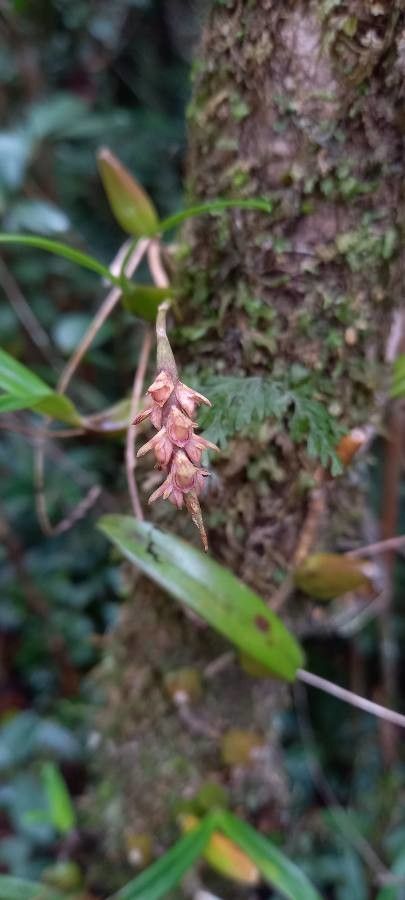
Demystifying Densum: A Guide to Propagating the Bulbophyllum Densum Orchid
The Bulbophyllum densum, with its cascading chains of vibrant orange blooms, is a showstopper in any orchid enthusiast’s collection. But for many, the thought of propagating this unique species can be intimidating. Fear not, fellow plant lovers! This guide delves into the secrets of successfully multiplying your Bulbophyllum densum, turning one cherished plant into many.
Understanding the Basics
Before we dive into the methods, let’s understand how Bulbophyllum densum grows. Unlike some orchids that readily produce offshoots (keikis), the densum primarily reproduces through division. This involves carefully separating mature clumps into smaller sections, each capable of independent growth.
When to Propagate
Timing is crucial for successful propagation. The ideal time is during the active growing season, typically spring or early summer. Look for signs of new growth, such as fresh bulbs emerging from the rhizome. This indicates the plant has ample energy reserves for successful division.
Two Paths to Propagation
1. Division of Mature Plants:
This is the most common method for propagating Bulbophyllum densum. Here’s how it’s done:
- Prepare your tools: You’ll need a sterilized, sharp cutting tool (pruning shears or a knife), a pot with fresh orchid mix, and optionally, rooting hormone.
- Unpot and assess: Gently remove the plant from its pot. Examine the rhizome (the horizontal stem connecting the bulbs) and identify sections with at least 3-4 healthy bulbs each.
- Make the cut: Using your sterilized tool, carefully cut the rhizome, ensuring each division has healthy roots attached.
- Treat and pot: Dust the cut ends with rooting hormone (optional but beneficial), and plant each division in its own pot with appropriate orchid mix.
- Water and care: Water sparingly initially, allowing the divisions to establish themselves. Resume regular watering once new growth appears.
2. Back Bulb Propagation:
While less common, back bulbs (older, dormant bulbs on the rhizome) can sometimes be coaxed into producing new plantlets. This method requires patience and a little luck:
- Identify and detach: Carefully remove any back bulbs that readily detach from the main plant. Ensure they are firm and healthy.
- Create a humid environment: Place the back bulbs in a shallow tray filled with moistened sphagnum moss or a similar moisture-retentive medium.
- Provide warmth and indirect light: Place the tray in a warm location with bright, indirect light.
- Wait and watch: It may take several months for the back bulbs to sprout new growth. Maintain consistent moisture and be patient.
Patience is Key
Regardless of the method you choose, remember that propagating Bulbophyllum densum takes time. Provide consistent care, mimic its natural growing conditions, and celebrate the small victories as your new plants establish themselves. With patience and dedication, you’ll soon have multiple densum orchids gracing your growing space.