
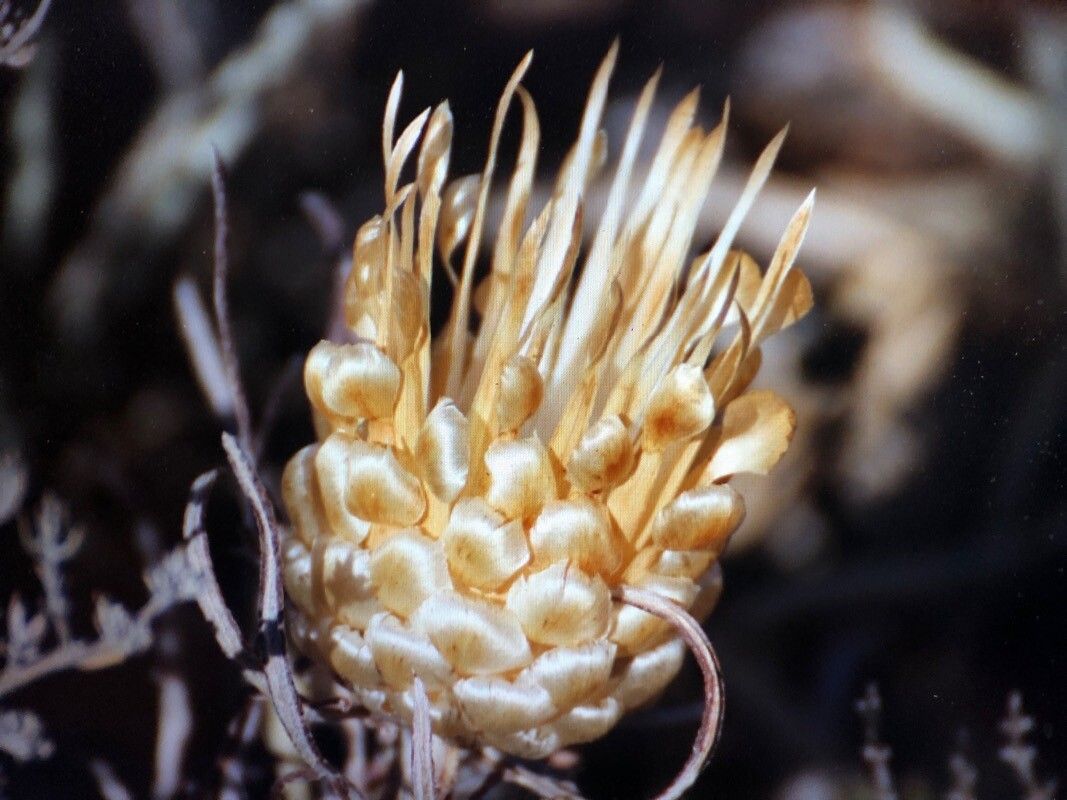
Propagating Bupleurum fruticescens: A Gardener’s Guide to the Shrubby Hare’s Ear
Introduction:
Bupleurum fruticescens, commonly known as the shrubby hare’s ear, is a captivating evergreen subshrub prized for its delicate, umbel-shaped yellow flowers and silvery-grey foliage. Its architectural form and drought tolerance make it a popular choice among gardeners seeking low-maintenance, textural interest in their landscapes, particularly in Mediterranean-style gardens or rock gardens. While relatively easy to grow once established, propagating Bupleurum fruticescens presents some unique challenges, making successful propagation a rewarding experience for dedicated plant enthusiasts.
Seed Germination:
Currently, there are no known reliable methods for seed germination propagation of Bupleurum fruticescens. While seeds may be produced, germination rates are exceptionally low, and success is largely unpredictable. Further research into specific germination requirements, such as scarification or hormonal treatments, may be needed before seed propagation becomes a viable option.
Cuttings:
Cuttings represent a more promising method for propagating Bupleurum fruticescens.
Challenges: Rooting can be slow and success rates are moderate. Using semi-hardwood cuttings taken during late summer or early autumn generally yields the best results.
Practical Tips: Take 8-10 cm cuttings from non-flowering stems, removing lower leaves to prevent rotting. Dip the cut ends in rooting hormone powder before planting in a well-draining, moist propagation mix (e.g., a mix of perlite and peat). Maintain high humidity (using a propagator or plastic bag) and an even moisture level but avoid overwatering. Rooting may take several months.
Rewards: Cuttings offer a relatively quick way to increase the number of plants, replicating the exact genetic characteristics of the mother plant. This is particularly beneficial if you have a prized specimen with exceptional qualities.
Division:
Division is a feasible method for propagating established Bupleurum fruticescens plants.
Challenges: This method is only viable for mature plants with well-developed root systems. Dividing too small sections may weaken the parent plant and reduce the success rate of the new plants.
Practical Tips: In spring or autumn, carefully dig up the mature plant and gently separate the root ball into smaller sections, ensuring each division contains healthy roots and sufficient stems. Replant each division in a well-prepared, well-draining location, watering thoroughly to help it establish.
Rewards: Division is a reliable propagation technique that results in quicker establishment compared to cuttings. It allows for a rapid increase in the number of plants within a shorter time frame.
Tissue Culture:
Tissue culture offers a potentially efficient yet technically demanding approach to propagate Bupleurum fruticescens.
Challenges: This method requires specialised equipment, sterile conditions, and expertise in plant tissue culture techniques. Establishing optimal growth media and hormone concentrations for successful shoot multiplication and root development can be a significant challenge.
Practical Tips: Sterile procedures are essential to avoid contamination. A suitable medium containing specific plant growth regulators will need to be carefully formulated. Successful tissue culture propagation necessitates patience and meticulous attention to the precise control of numerous parameters.
Rewards: Tissue culture allows for the rapid production of a large number of genetically identical plants from a single mother plant. This is advantageous for large-scale propagation and preserving rare or desirable cultivars.
Conclusion:
Propagating Bupleurum fruticescens presents various challenges, primarily with seed germination and, to a lesser extent, cuttings and division. While tissue culture offers a high-potential yield, it requires significant technical expertise and resources. The most practical methods for propagating smaller numbers of plants are cuttings and division. The unique satisfaction of successfully nurturing these plants from cuttings or divisions, after overcoming the inherent challenges, is immense and a testament to the gardener’s dedication. Patience and careful attention to detail are crucial for success. For aspiring propagators, don’t be afraid to experiment – even if your first attempts are not entirely successful, the learning experience is invaluable. Remember to accurately identify your plant, providing further avenues towards successful propagation.