
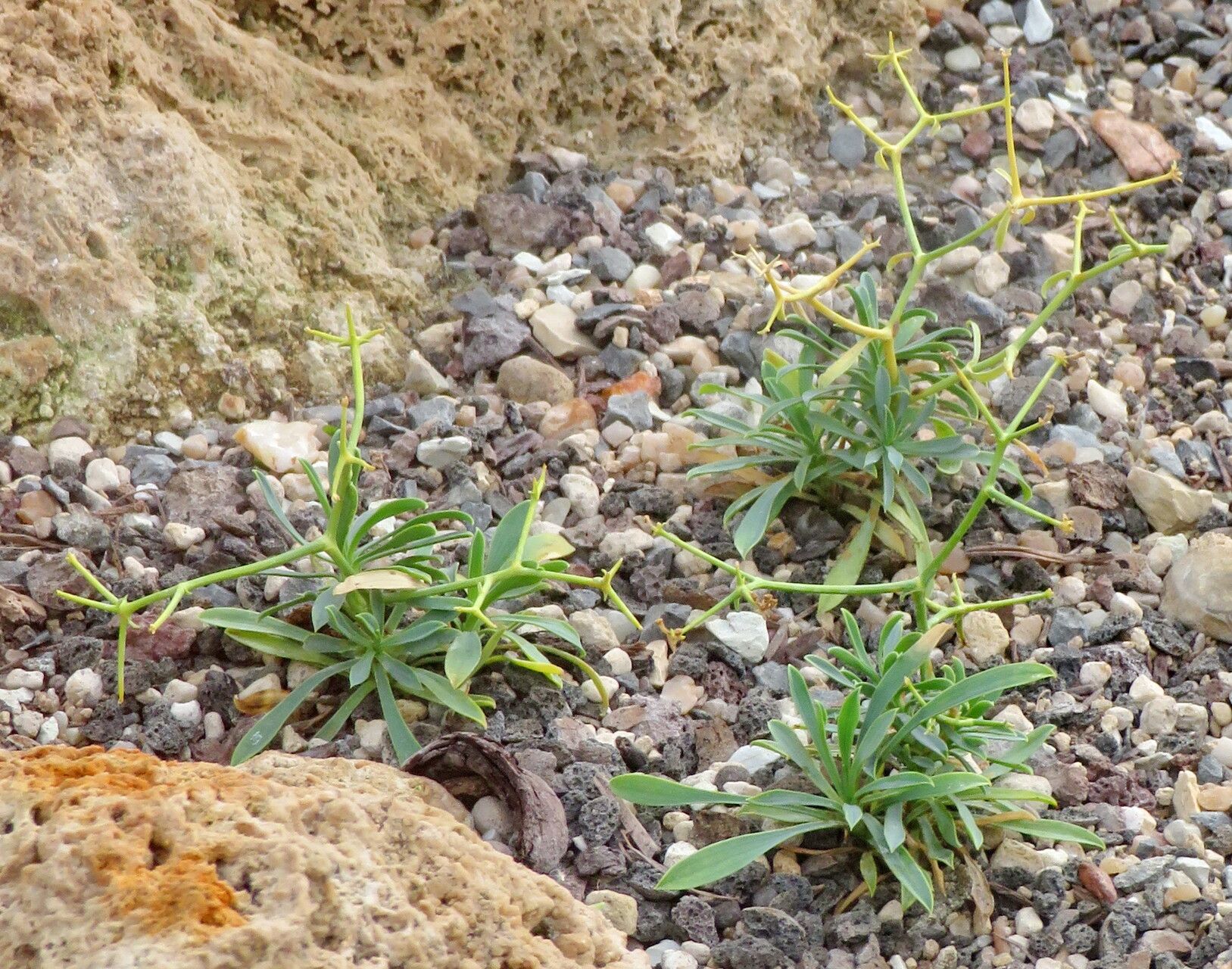
Prickly Delight: Propagating Your Own Bupleurum spinosum
The enchanting Bupleurum spinosum, with its unique, spiky foliage and delicate yellow umbels, is a captivating addition to any garden. But acquiring this special plant can sometimes be a challenge. Fear not, green thumbs! This article delves into the fascinating world of Bupleurum spinosum propagation, empowering you to cultivate your own patch of these prickly wonders.
Understanding the Basics
Bupleurum spinosum is a hardy perennial hailing from the Mediterranean region. It thrives in well-drained, sandy soil and enjoys full sun to partial shade. Its primary method of propagation is through seed, offering a rewarding experience for both seasoned gardeners and beginners alike.
The Seed Saga
Seed Collection: The best time to collect seeds is after the umbels have turned brown and dry, usually in late summer or early fall. Carefully snip off the dried flower heads and store them in a paper bag in a cool, dry place.
Sowing Time: You can directly sow seeds outdoors in spring, once the soil has warmed up. Alternatively, you can start them indoors 6-8 weeks before the last frost.
Starting Indoors: Fill seed trays with seed-starting mix and lightly press the seeds onto the surface. Cover them with a thin layer of soil and mist gently. Keep the soil consistently moist and maintain warmth under a grow light or in a sunny windowsill.
Germination: These seeds typically take 2-4 weeks to germinate. Once the seedlings develop their first set of true leaves, thin them out to give each individual a good space to grow.
- Transplanting Outdoors: Gradually harden off the seedlings by exposing them to the outdoors for increasing durations over a week. Once the threat of frost has passed, you are ready to transplant them into their permanent locations in the garden, spacing them about 12 inches apart.
Beyond Seeds: Exploring Other Propagation Methods
While seed propagation is the most popular method, there are other options for expanding your Bupleurum spinosum collection:
- Root Division: In spring, divide the plant by carefully separating the root ball into smaller sections, each with healthy roots and foliage. Replant these divisions into individual pots or directly into prepared soil.
- Cuttings: Though less common, propagating Bupleurum spinosum from cuttings is possible. Take semi-hardwood cuttings in the late spring or early summer. These cuttings can be rooted in a mixture of perlite and peat moss, maintained in a humid environment, and eventually transplanted to a pot or garden bed.
Cultivation Tips for Success
- Watering: Water regularly, especially during dry periods, but avoid overwatering. Allow the soil to dry slightly between watering sessions.
- Feeding: A light application of balanced fertilizer in spring will promote healthy growth.
- Pruning: Deadhead spent flower stalks to encourage continuous blooming throughout the season. Prune back any overgrown or unwanted stems in late winter.
Enjoying the Rewards
With a little patience and care, you can successfully cultivate your own Bupleurum spinosum, reaping the beauty of its spiky, textured foliage and delicate, fragrant blooms. Whether used as a border plant, a stand-alone feature in a sunny spot, or even incorporated into dried flower arrangements, this unique species is sure to bring a touch of Mediterranean charm to your garden and home.