
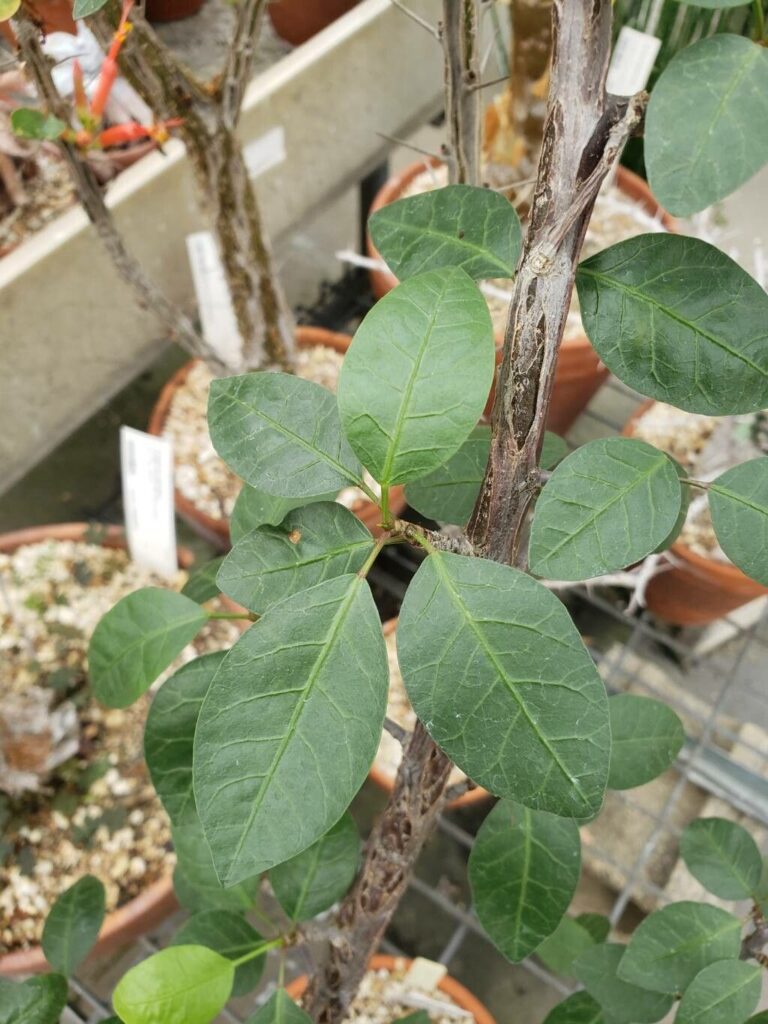
Taming the Mexican Myrrh: A Guide to Propagating Bursera schlechtendalii
The Bursera schlechtendalii, more commonly known as the Mexican Myrrh or Copal Tree, is a fascinating species captivating plant enthusiasts with its unique beauty and ancient medicinal uses. Native to Mexico, this deciduous tree boasts peeling, papery bark, clusters of fragrant white flowers, and an intriguing silhouette that adds a touch of the exotic to any landscape or home.
While finding this fascinating tree in local nurseries can be a challenge, propagating your own Bursera schlechtendalii is surprisingly achievable. Let’s dive into the two most effective methods:
1. Propagating from Seed:
This method takes more patience but can be incredibly rewarding, offering a chance to witness the entire life cycle of your Mexican Myrrh.
- Sourcing Seeds: Obtaining fresh, viable seeds is crucial. Look for reputable online vendors specializing in exotic plants or try your luck with seed exchanges.
- Seed Preparation: Bursera schlechtendalii seeds have a hard outer coating that needs softening to promote germination. Gently scarify the seeds by nicking or sanding a small portion of the seed coat. Then, soak the seeds in lukewarm water for 24 hours.
- Sowing: Use a well-draining potting mix suitable for cacti and succulents. Plant the seeds about ½ inch deep and mist the soil thoroughly.
- Creating a Greenhouse Effect: Cover the pot with a plastic bag or humidity dome to trap moisture and maintain warmth. Place the pot in a brightly lit area, but out of direct sunlight.
- Germination Time: Germination can be erratic, taking anywhere from a few weeks to a couple of months. Be patient and maintain consistent moisture without overwatering.
2. Propagating from Cuttings:
Taking cuttings is a faster method, allowing you to clone a mature plant and its characteristics.
- Timing is Key: The best time to take cuttings is during the active growing season, ideally in spring or early summer.
- Select Healthy Stems: Choose young, healthy stems that are still somewhat flexible. Using a sharp, sterilized knife or pruning shears, take cuttings that are about 4-6 inches long.
- Prepare the Cuttings: Remove leaves from the lower third of the cutting. You can dip the cut end in rooting hormone powder to encourage root development, although this isn’t strictly necessary.
- Potting the Cuttings: Plant the cuttings in a well-draining potting mix, burying at least a couple of nodes below the surface. Water well and place the pot in a brightly lit area, out of direct sunlight.
- Maintaining Humidity: Cover the pot with a plastic bag or humidity dome to maintain high humidity, which is crucial for rooting success.
- Root Development: Rooting can take several weeks. Once you see new growth, it’s a good sign that roots have developed.
Caring for Your New Propagations:
Whether you started from seed or cuttings, patience is key. Both methods require consistent care to ensure success.
- Watering: Allow the soil to dry out completely between waterings to prevent root rot, a common issue with Burseras.
- Sunlight: Gradually acclimate your young plants to brighter light conditions as they grow stronger. Mature plants prefer full sun.
- Fertilizing: Feed your Bursera schlechtendalii with a diluted balanced fertilizer during the growing season.
Propagating your own Bursera schlechtendalii can be an enriching experience. While it requires patience and diligence, the rewards are worth the effort. Watching your very own Mexican Myrrh flourish is a truly special experience for any plant lover.