
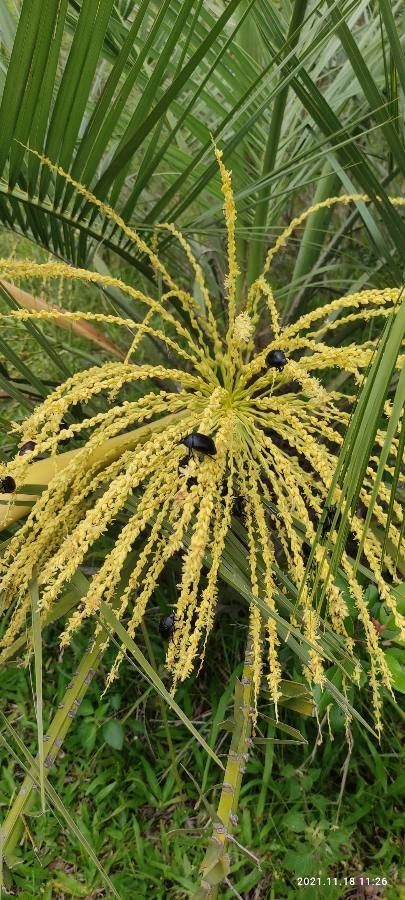
From Palm Seed to Paradise: Propagating the Majestic Butia Catarinensis
The Butia catarinensis, also known as the Jelly Palm, is a captivating sight with its graceful, arching fronds and clusters of edible fruit. Its resilience and adaptability make it a popular choice for gardeners seeking a touch of tropical charm. But did you know that this majestic palm can also be propagated?
While the Butia catarinensis can be propagated through a variety of methods, including tissue culture and grafting, the most common approach for home gardeners is seed propagation. Here’s what you need to know to bring this beauty to life in your own backyard:
The Seed Collection and Preparation:
- Timing is Key: The optimal time for seed collection is after the fruit ripens – typically during late spring or early summer.
- Freshness Matters: Choose fresh, ripe fruits with a deep orange or reddish hue. Avoid overly soft or damaged fruits.
- Seed Extraction: Carefully remove the seeds from the fruit pulp. Clean them well and remove any remaining pulp or fibers. Soak the seeds in water for 24 hours before planting to stimulate germination.
The Planting Process:
- Suitable Medium: Choose a well-draining potting mix designed for palms or a mixture of equal parts peat moss, perlite, and vermiculite.
- Container Selection: Opt for pots with drainage holes. Plastic pots are generally ideal for starting seeds as they retain moisture well.
- Sowing Depth and Spacing: Plant each seed about 1-2 inches deep in the potting mix. Space them a few inches apart to ensure even germination and growth.
- Moisture and Temperature: Maintain consistent moisture levels but avoid overwatering. These palm seeds thrive in temperatures between 70-80°F.
The Patience Factor:
- Germination Time: Butia catarinensis seeds can take anywhere from a few weeks to several months to germinate, so patience is key.
- Light and Humidity: Provide bright indirect light and moderate humidity.
- Protection from Pests: Keep the seedlings protected from pests like aphids and mealybugs.
Transplanting and Care:
- Potted Growth: As the seedlings grow, they can be transplanted into larger pots.
- Outdoor Life: Once the seedlings are established, they can be moved outdoors to a sunny location with well-draining soil.
- Watering and Feeding: Water regularly, especially during the hot summer months. Fertilize them with a balanced palm fertilizer during the growing season.
Beyond the Garden:
Successfully propagating Butia catarinensis from seed is a rewarding experience, offering a sense of connection to the natural world. The journey from seed to mature palm, often taking years, requires commitment but provides a unique opportunity to not only enjoy the beauty of this resilient species but also contribute to its preservation.
In Conclusion:
Propagating the Butia catarinensis is a journey of patience and care, but the eventual reward is a stunning and long-lived addition to your garden or landscape. From the moment you sow the seed to the day the palm reaches its full glory, this process is a testament to nature’s resilience and the power of propagation. So, why not embark on your own Butia catarinensis propagation adventure? You might just find yourself creating your own little piece of paradise.