
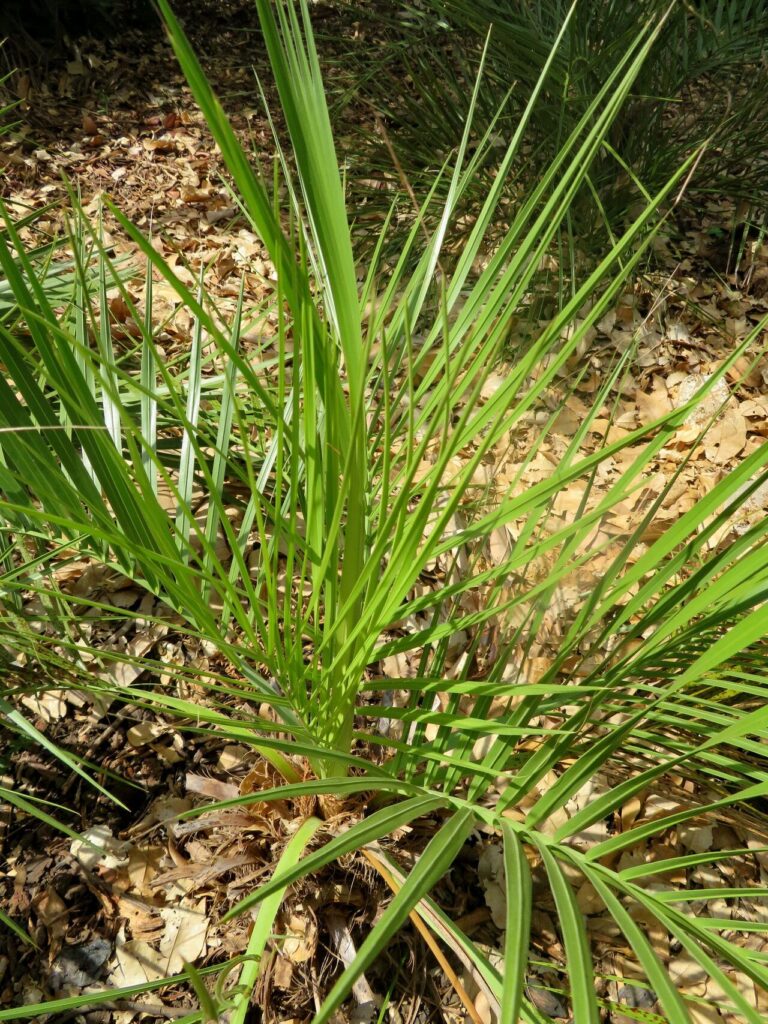
From One Palm to Many: Mastering the Art of Butia Microspadix Propagation
The Butia microspadix, also known as the “Dwarf Jelly Palm,” is a captivating addition to any landscape with its striking blue-green foliage and delicious edible fruits. But if you’re looking to expand your palm haven beyond a single specimen, propagation is the key! This article will guide you through the fascinating world of multiplying your Butia microspadix, revealing the secrets behind successful propagation methods.
Seeds: A Journey From Fruit to Palm
The most common method of Butia microspadix propagation is through seeds. Here’s how to embark on this botanical adventure:
- Sourcing Seeds: Collect ripe fruits from your existing palm or purchase them from a reputable source.
- Extraction: Carefully remove the seeds from their fleshy outer layer. Rinse them thoroughly to ensure all the fruit pulp is removed.
- Scarification: This step is essential for breaking the seed’s hard outer shell and promoting germination. Gently nick the seed coat using a sharp knife or sandpaper.
- Soaking: Submerge the seeds in warm water for 24-48 hours. This further softens the outer layer and kickstarts the germination process.
- Planting: Use a well-draining seed-starting mix and sow the seeds about 1/2 inch deep. Keep the soil consistently moist and provide a warm environment (around 70-80°F). Germination can take several months, so be patient!
- Transplanting: Once the seedlings have developed a good root system (usually with several leaves), carefully transplant them to individual pots or a larger container.
Offshoots: A Quicker Path to New Palms
Unlike some other palm species, the Butia microspadix often produces offshoots or “suckers” at the base of the main stem. These offshoots can be separated and grown independently, providing a faster route to new palms.
- Selecting a Healthy Offshoot: Choose a robust, well-developed offshoot that has its own root system. Look for offshoots that are at least 6 inches tall with a healthy root base.
- Separation: Carefully detach the offshoot from the main stem, ensuring you retain as much of the root system as possible.
- Planting: Prepare a pot with well-draining potting mix and plant the offshoot at a depth that allows for good root establishment. Water thoroughly and provide consistent moisture.
Things to Remember:
- Patience is key in palm propagation: Depending on the method, it can take anywhere from a few months to several years for new palms to reach a reasonable size.
- Consistent moisture: Maintain consistent soil moisture while avoiding overwatering. Overwatering can lead to root rot.
- Sunlight: Provide ample sunlight, especially for seedlings.
- Fertilizer: Use a balanced fertilizer to encourage healthy growth.
Embrace the Joy of Propagation
Mastering Butia microspadix propagation not only adds to your landscape’s beauty but also allows you to share the joy of these captivating palms with others. By understanding the various techniques and embracing the patience required, you can embark on a fulfilling journey of plant multiplication – a journey that may blossom into a thriving palm paradise!