
Unlocking the Secrets of the Sicilian Cachrys: A Guide to Propagation
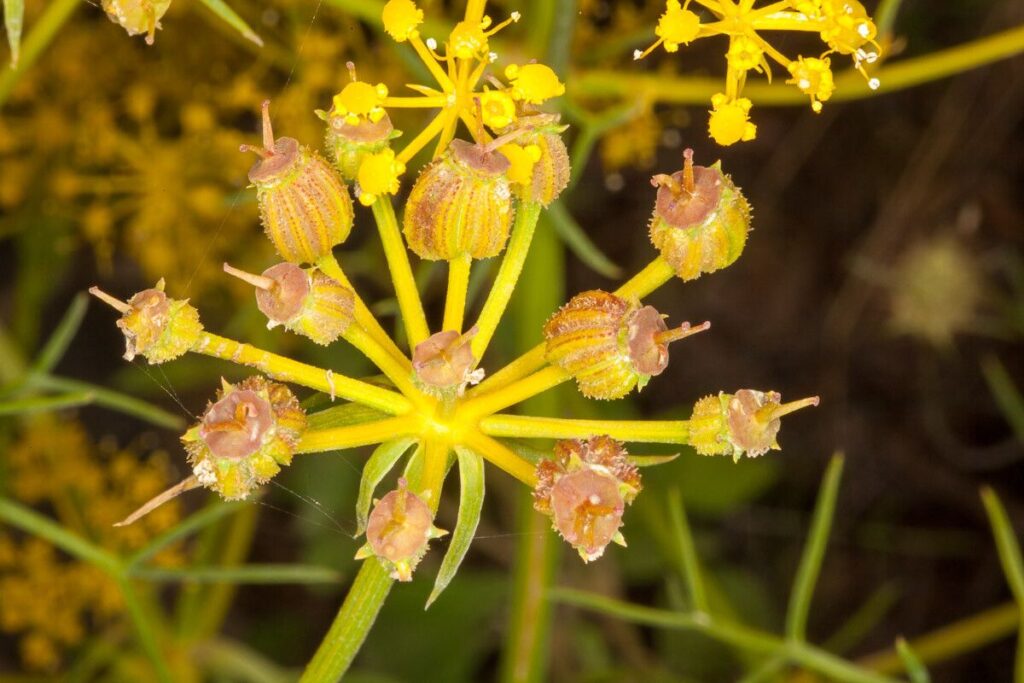
The Sicilian Cachrys (Cachrys sicula), with its intriguing, architectural form and umbels of yellow flowers, is a captivating addition to any Mediterranean garden. Native to the sun-drenched landscapes of Sicily and Southern Italy, this perennial herb might seem like a challenging plant to propagate. However, with a bit of patience and the right techniques, you can successfully grow this fascinating species.
Seed Propagation: Embracing the Challenge
Propagation of Cachrys sicula primarily relies on seeds, which offer a rewarding, albeit slightly more time-consuming, method. Here’s a step-by-step guide:
- Seed Collection and Preparation: Ideally, collect seeds from mature plants in late summer or early fall. Look for dried seed heads that are starting to release their contents. Gently crush the seed heads to extract the seeds, removing any debris.
- Sowing: Sow the seeds in a well-draining seed starting mix during late fall or early winter. This allows the seeds to experience the natural cold stratification they need to break dormancy.
- Patience is Key: Germination can be erratic and may take several months. Keep the seed tray consistently moist but not waterlogged. A heated propagation mat can help maintain optimal temperatures for germination.
- Transplanting: Once the seedlings have developed a couple of true leaves and are large enough to handle, carefully transplant them into individual pots with well-draining soil. Gradually acclimatize them to outdoor conditions before planting them in their final location in the garden.
Challenges and Considerations for Seed Propagation:
- Dormancy Issues: Cachrys sicula seeds can have erratic germination rates due to dormancy. Cold stratification mimics their natural winter conditions and significantly improves germination success.
- Time Commitment: Be prepared for a longer propagation period compared to other plants. From seed to flowering size, it might take a couple of years.
Alternative Propagation Methods:
While seed propagation is the most common method, there are a few alternative techniques:
- Cuttings: Taking basal cuttings in spring can be successful. Dip the cuttings in rooting hormone and plant them in a moist, well-draining medium. However, this method has a lower success rate compared to seed propagation.
- Division: Large, established clumps can be carefully divided in early spring. Ensure each division has a good portion of roots and shoots before replanting.
Tips for Success:
- Well-Draining Soil: Cachrys sicula thrives in well-draining soil, mimicking its natural rocky habitat. Amend heavy soils with gravel or sand.
- Sun Worshipper: Plant in a location that receives full sun for at least six hours a day.
- Drought Tolerant: Once established, Cachrys sicula is quite drought tolerant and requires minimal watering.
Propagating Cachrys sicula might require a bit of dedication, but the reward of having this architectural beauty grace your garden is well worth the effort. By following these guidelines and understanding the plant’s lifecycle, you can successfully grow this unique and alluring species.