
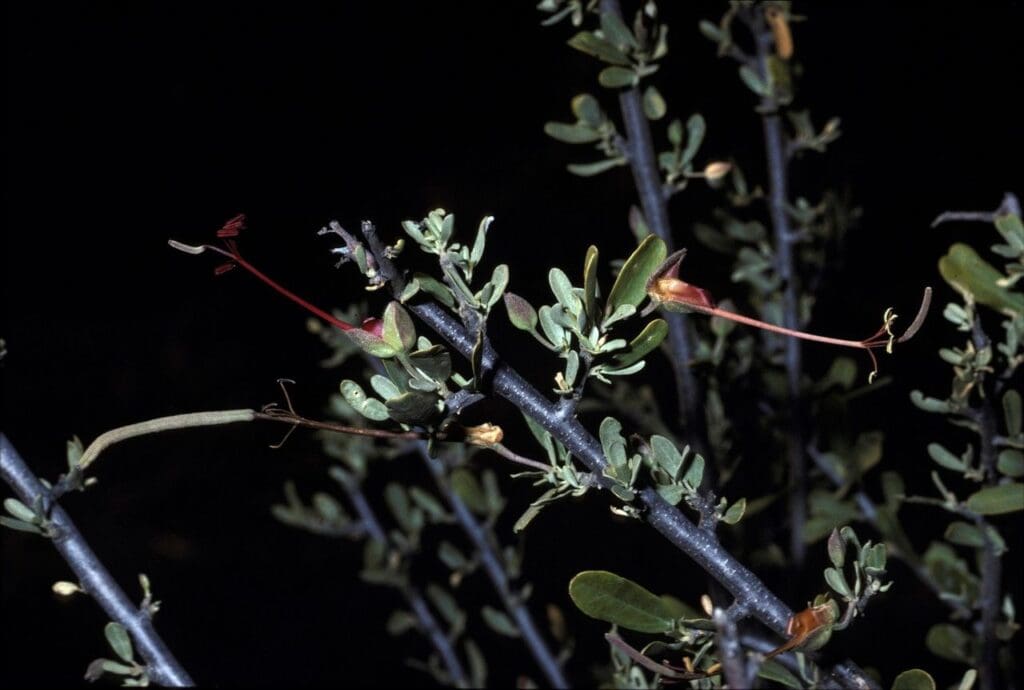
Taming the Termite Flower: A Guide to Propagating Cadaba termitaria
The Cadaba termitaria, often affectionately nicknamed the "Termite Flower," is a fascinating shrub native to Africa, renowned for its unique relationship with termites and its beautiful, fragrant blossoms. If you’re looking to add a touch of the exotic to your garden, learning to propagate this intriguing plant is a rewarding endeavor.
This guide will walk you through the two most common methods:
1. Seed Propagation: A Test of Patience
Gathering Seeds:
- Timing is key: Termite Flowers typically bloom in the warmer months. After flowering, watch for the distinctive elongated seed pods to develop.
- Harvest carefully: Once the pods turn brown and dry, carefully collect them. Be gentle, as ripe pods can split open easily, scattering the seeds.
- Extract and store: Gently open the pods and extract the small, brown seeds. Store them in a cool, dry place until you’re ready to sow.
Sowing Your Seeds:
- Pre-treat for success: Soak the seeds in lukewarm water for 24 hours to soften the outer shell and encourage germination.
- Prepare your pots: Use a well-draining seed-starting mix and choose small pots (around 3 inches in diameter).
- Sow with care: Plant the seeds about ¼ inch deep and lightly cover them with soil.
- Water and wait: Keep the soil consistently moist but not waterlogged. Germination can be erratic, taking anywhere from a few weeks to several months. Be patient!
Caring for Seedlings:
- Light: Place your pots in a bright location but out of direct sunlight.
- Water: Water sparingly, allowing the topsoil to dry slightly between waterings.
- Transplanting: Once the seedlings develop a few sets of true leaves and are a couple of inches tall, they can be transplanted into larger pots or outdoors in a well-prepared bed.
2. Cuttings: A Faster Path to New Plants
Taking Cuttings:
- Timing: Take cuttings during the active growing season, ideally in spring or early summer.
- Choose wisely: Select healthy, non-flowering stems that are about 4-6 inches long.
- Make the cut: Use a sharp, sterilized knife or pruning shears to make a clean cut just below a leaf node.
- Prepare the cutting: Remove the leaves from the bottom third of the stem and wound the base slightly to encourage rooting.
Planting Your Cuttings:
- Rooting hormone (optional): Dipping the base of the cutting in rooting hormone can help speed up the process.
- Potting mix: Use a well-draining potting mix or a blend of peat moss and perlite.
- Plant the cutting: Insert the cutting into the potting mix, burying at least two leaf nodes.
- Provide humidity: Cover the pot with a clear plastic bag or use a propagation dome to maintain high humidity around the cutting.
Caring for Cuttings:
- Light: Place your cuttings in a bright location, but out of direct sunlight.
- Water: Keep the potting mix consistently moist but not soggy.
- Rooting: Roots should develop within 4-6 weeks. Gently tug on the cutting; resistance means roots are forming.
- Transplanting: Once well-rooted, transplant your new Cadaba Termitaria plants into larger pots or outdoors in a sunny location with well-drained soil.
A Rewarding Challenge Awaits
Propagating Cadaba termitaria, whether from seed or cuttings, can be a labor of love. But with patience and care, you’ll be rewarded with new plants that bring a touch of the African savanna to your own backyard. Remember to protect your young Termite Flowers from frost and enjoy watching them thrive as they develop their unique symbiotic relationship with local ant populations.