
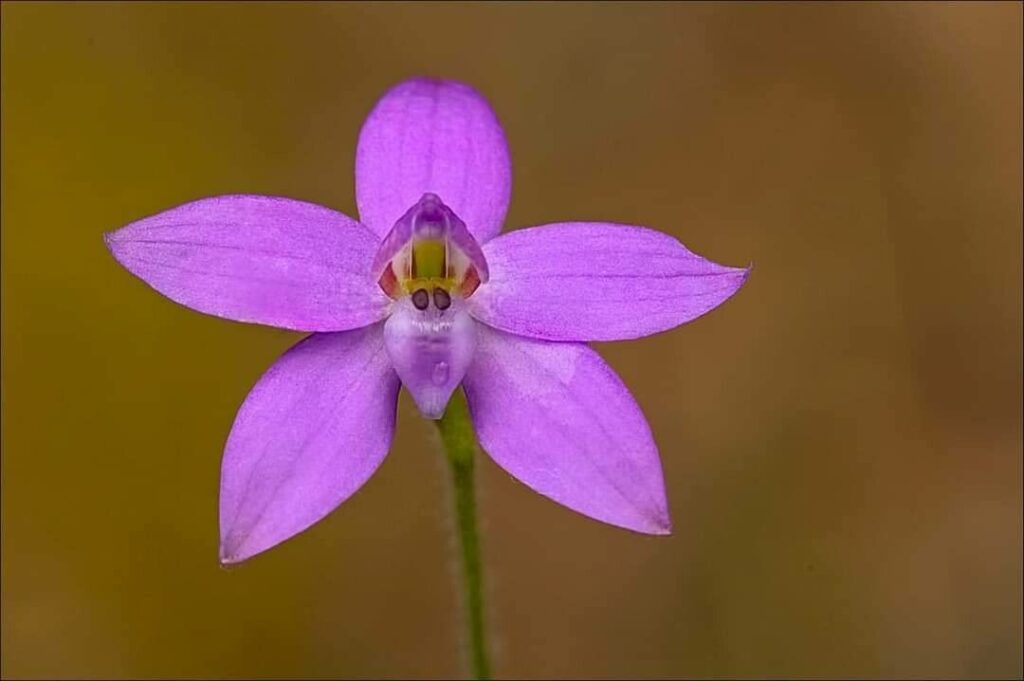
Propagating the Small-flowered Spider Orchid (Caladenia minorata): A Gardener’s Guide
Introduction:
Caladenia minorata, commonly known as the Small-flowered Spider Orchid, is a captivating terrestrial orchid native to Australia. Characterized by its delicate, often sparsely-flowered stems bearing small, intricate blossoms, it holds a unique appeal for orchid enthusiasts. Its subtle beauty and the challenge inherent in its cultivation contribute to its growing popularity amongst gardeners. However, propagating this species presents a significant hurdle, making success a rewarding achievement. Unique aspects relevant to its propagation include its obligate mycorrhizal relationship, meaning seed germination relies on a specific fungal partner, and its relatively slow growth rate.
Seed Germination:
Currently, there are no known reliable methods for seed germination propagation of Caladenia minorata. The obligate mycorrhizal relationship with specific soil fungi is a major obstacle. Without the presence of the correct fungal partner, the seeds will not germinate, even under ideal conditions of light, temperature, and moisture. Research into identifying and cultivating the necessary fungal symbiont would be required to even begin exploring practical seed propagation techniques.
Cuttings:
Cuttings are not a viable method for propagating Caladenia minorata. Like many orchids, it lacks the ability to regenerate new plants from stem or leaf cuttings.
Division:
Division is a potentially viable, albeit delicate, method for propagating Caladenia minorata. Challenges include the risk of damaging the delicate root system, which is crucial for the plant’s health and survival. Careful consideration must be given to the timing of division, preferably after flowering but before the onset of dormancy. Only mature plants with established multiple growth points should be considered. Each division should ideally include a substantial portion of root system and several pseudobulbs to ensure viability. The successful reward is increased plant numbers and the preservation of existing genetic variability. However, the slow growth rate of this species means multiplication through division remains a slow process.
Tissue Culture:
Tissue culture offers the most promising, though technically challenging, method for propagating Caladenia minorata. This method bypasses the need for symbiotic fungi by growing plant tissues in a sterile environment with a precisely controlled nutrient medium. The challenges include establishing aseptic techniques, identifying the optimal growth media and hormonal balance for Caladenia minorata, and managing potential contamination. However, tissue culture offers the potential for large-scale propagation, preserving genetic diversity, and providing a means for conservation efforts focusing on this species. The considerable upfront investment in equipment and expertise is a major barrier to entry.
Conclusion:
Propagating Caladenia minorata presents considerable challenges across all methods. Seed germination remains infeasible without further mycorrhizal research. Cuttings are not viable. Division offers slow but potentially successful propagation, requiring careful technique. Tissue culture presents the greatest potential for large-scale production but necessitates specialised knowledge and resources. The rewards, however, are substantial. Successfully cultivating this beautiful orchid through any of these methods provides immense satisfaction, reflecting the dedication and expertise required. For aspiring propagators, focusing on division with utmost care and considering the long-term commitment, is the most realistic pathway to success, while acknowledging that progress may be slow. For broader propagation and conservation efforts, investing in research focused on mycorrhizal associations and further developing tissue culture protocols is crucial.