
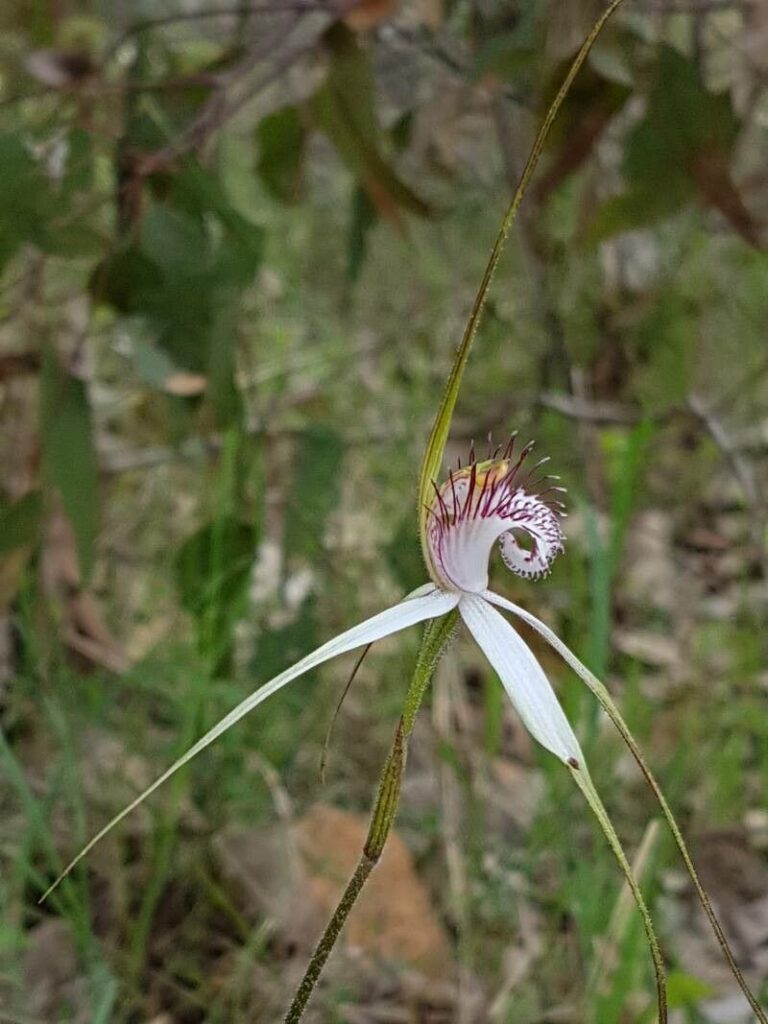
Unlocking the Secrets: Propagating the Majestic Caladenia splendens
The Caladenia splendens, also known as the Splendid Spider Orchid, is a sight to behold. This terrestrial orchid, endemic to Australia, enchants with its intricate, spider-like blooms and vibrant colors. However, cultivating this stunning species is not for the faint of heart. Propagation requires patience, dedication, and a dash of botanical finesse. Let’s delve into the fascinating and challenging world of Caladenia splendens propagation.
The Symbiotic Dance: Understanding Mycorrhizal Fungi
Unlike many plants that readily sprout from seeds in standard potting mix, the Caladenia splendens relies on a unique relationship with mycorrhizal fungi for its survival, especially during germination and early growth. These microscopic fungal companions form a mutually beneficial partnership with the orchid’s roots. The fungi supply essential nutrients from the soil, which the orchid can’t access alone, while the orchid provides sugars produced through photosynthesis.
Two Paths to Propagation: Seed Sowing and Tuber Division
1. The Seed Sowing Saga:
Propagating Caladenia splendens from seeds is considered the holy grail – challenging but ultimately rewarding. Here’s a glimpse into this intricate process:
- Obtaining Seeds: Collecting seeds ethically and legally is paramount. Seek reputable suppliers or join local orchid societies for guidance.
- Flask Culture: Seeds are sown in a sterile, nutrient-rich medium within a flask, mimicking the natural environment where the symbiotic fungi thrive. This method demands sterile techniques to prevent contamination.
- Patience is Key: Germination can take months, even years. Once seedlings are large enough, they are carefully transferred to a more suitable growing medium, maintaining the fungal relationship.
2. Tuber Division: A More Accessible Approach:
For the less adventurous gardener, division of mature, healthy tubers offers a slightly easier propagation method:
- Timing is Everything: Divide tubers during the dormant period, typically after flowering has finished and before new growth emerges.
- Gentle Division: Carefully separate the tubers, ensuring each division has at least one healthy bud and a portion of roots.
- Repotting: Plant divisions in a well-draining orchid mix, ensuring the bud is level with the soil surface.
Nurturing Your Caladenia splendens:
Whether you choose the seed sowing adventure or the tuber division route, providing the right care is crucial for your orchid’s survival:
- Light: Bright, indirect light is preferred. Avoid direct sunlight, which can scorch the leaves.
- Watering: Water sparingly, allowing the medium to dry out slightly between waterings. Avoid overwatering, as it can lead to root rot.
- Humidity: Aim for higher humidity levels, especially for young plants. Misting or using a humidity tray can be beneficial.
- Fertilizer: Diluted orchid fertilizer applied during the growing season can boost growth.
Propagating Caladenia splendens is an enriching journey, offering a glimpse into the fascinating world of orchid symbiosis. While it may present challenges, witnessing the successful growth of this majestic orchid is a truly rewarding experience for any plant enthusiast.