
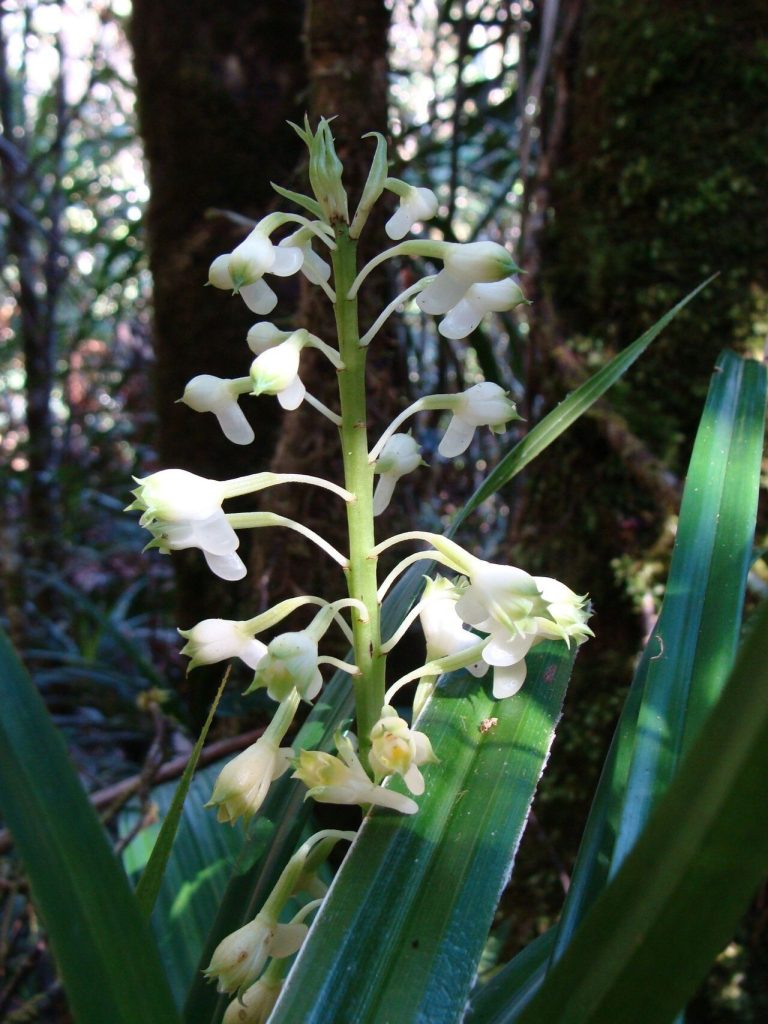
Propagating Calanthe balansae: A Gardener’s Guide to a Rare Orchid
Introduction:
Calanthe balansae, sometimes known as the Balansa Calanthe, is a captivating terrestrial orchid native to Southeast Asia, prized for its elegant, arching flower stems bearing numerous blooms in shades of creamy white to pale pink. Its delicately textured leaves and relatively low growing habit contribute to its popularity among orchid enthusiasts. However, compared to some other orchid species, propagating Calanthe balansae presents unique challenges. Its less frequent availability in nurseries makes successful propagation particularly rewarding.
Seed Germination:
Currently, there are no known reliable methods for seed germination propagation of Calanthe balansae. Orchid seeds are notoriously tiny and lack endosperm, the nutrient store necessary for germination. They require a symbiotic relationship with specific mycorrhizal fungi to germinate successfully. Establishing this relationship in a controlled environment is extremely difficult for this specific species, rendering seed germination an impractical method for most home gardeners.
Cuttings:
Cuttings are not a viable method for propagating Calanthe balansae. Unlike some plants that can regenerate from stem or leaf cuttings, Calanthe balansae lacks the capacity for adventitious root or shoot formation from cuttings.
Division:
Division is the most practical and reliable method for propagating Calanthe balansae. This involves carefully separating established clumps into smaller sections, each containing several pseudobulbs and healthy roots.
Challenges: Dividing Calanthe balansae requires careful attention to avoid damaging the delicate roots and pseudobulbs. The plant should be divided only when it’s actively growing, preferably during the spring or early summer.
Practical Tips: Gently loosen the soil around the plant to expose the root system. Use a sharp, sterile knife or shears to separate the clumps. Ensure each division possesses a good root system and several healthy pseudobulbs. Repot the divisions in a well-draining, orchid-specific potting mix.
Rewards: Division offers a relatively simple way to increase your Calanthe balansae stock, providing you with more plants to enjoy and potentially share. It’s also a method that maintains the genetic characteristics of the parent plant.
Tissue Culture:
Tissue culture offers the potential for large-scale propagation of Calanthe balansae. This method involves growing plantlets from small pieces of plant tissue in a sterile environment containing a nutrient-rich medium.
Challenges: Tissue culture requires specialized equipment, a sterile laboratory environment, and expertise in orchid propagation techniques. Developing the optimal culture medium for Calanthe balansae may also require experimentation. It’s not a method easily accessible to the average home gardener.
Practical Tips: This method is best left to commercial orchid growers or specialized laboratories.
Rewards: Tissue culture allows for the rapid and large-scale production of genetically identical plants. It’s essential for preserving rare or endangered varieties.
Conclusion:
Propagating Calanthe balansae presents unique challenges, with division being the most accessible method for the average enthusiast. While seed germination and cuttings are infeasible, tissue culture offers a path to mass propagation but demands significant expertise and resources. The relative difficulty associated with propagating this beautiful orchid only enhances the sense of accomplishment derived from successfully nurturing new plants. For aspiring propagators, focusing on mastering the technique of division, combined with meticulous care for the plants, offers the most realistic path to expanding your collection of this exquisite species. Remember patience and understanding are key to success in the world of orchid cultivation.