
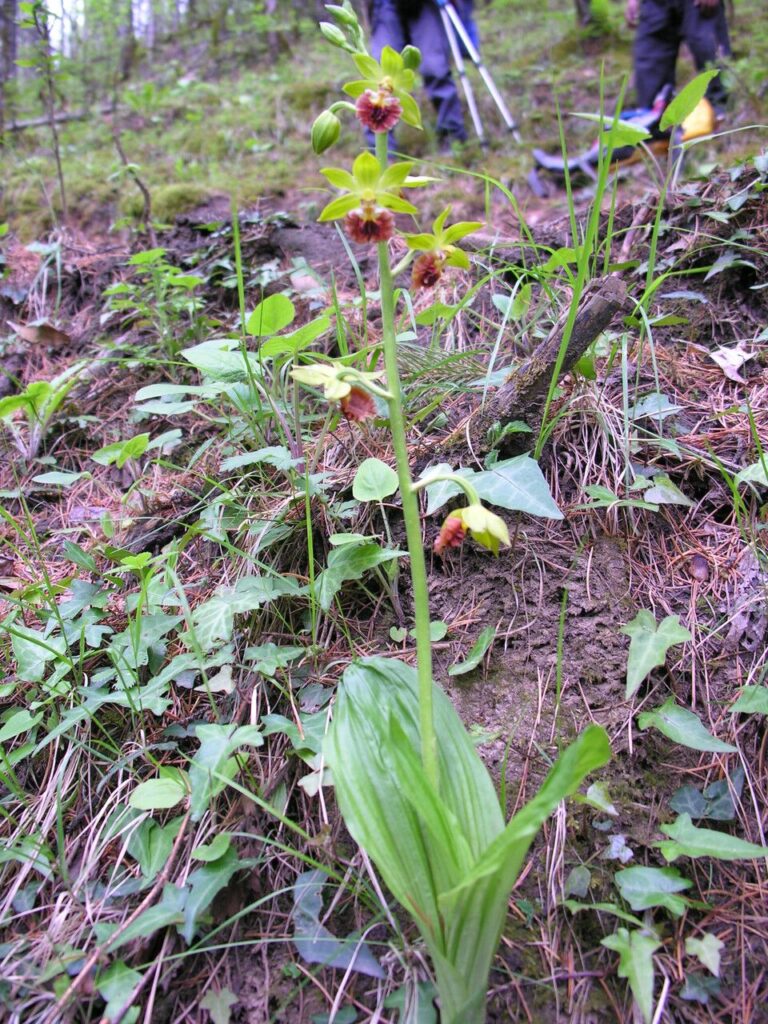
Unlocking the Secrets of Calanthe tricarinata Propagation: From Seed to Stunning Orchid
The Calanthe tricarinata, with its delicate, fragrant blossoms and striking foliage, has become a coveted addition to orchid collections. But the allure of this species goes beyond its beauty – it also holds a secret: propagation can be surprisingly straightforward. While some orchid species can be challenging to propagate, Calanthe tricarinata offers a more accessible approach.
Let’s delve into the fascinating world of Calanthe tricarinata propagation, exploring the methods you can use to bring these beautiful orchids into your home and garden.
Seed Propagation – A Journey of Patience:
The most common method for propagating Calanthe tricarinata is through seeds. Although patience is required, as it can take several years for seedlings to bloom, it offers a rewarding challenge for orchid enthusiasts.
Here’s a step-by-step guide:
- Collect the seeds: As Calanthe tricarinata blooms, tiny dust-like seeds will form within the capsules. To collect them, gently shake the capsules onto a clean surface or paper.
- Prepare the seed medium: A sterile mixture of sphagnum moss and perlite provides optimal growing conditions for the delicate seedlings.
- Sow the seeds: Sprinkle the seeds onto the moistened seed medium and lightly cover them with a thin layer of the mixture.
- Provide appropriate conditions: Maintain high humidity and warm temperatures (approximately 75-80°F) by covering the container with a clear plastic dome or bag. This will create a mini greenhouse environment.
- Patience is key: Keep the seedlings moist and allow them to grow under bright, indirect light. Be patient; it might take several years for the seedlings to develop mature leaves and eventually produce flowers.
Division: A Quicker Approach:
For quicker results, propagation through division is another viable option for Calanthe tricarinata. This method involves separating the plant’s rhizomes into individual divisions, each with its own set of roots and leaves.
Follow these steps for successful division:
- Choose the right time: Early spring, just before new growth begins, is the ideal time for division.
- Gently separate the rhizomes: Carefully use a sharp, sterile knife or scissors to divide the rhizomes into sections, ensuring each division has at least one growth bud and a healthy root system.
- Prepare the planting medium: Use a well-draining mix of bark, tree fern fibers, and perlite.
- Plant the divisions: Plant each division in a separate pot or container, leaving enough space for future growth.
- Provide optimal care: Water the divisions regularly and ensure they receive plenty of bright, indirect light.
Other Options:
While seed propagation and division are the most common methods, other propagation techniques can be explored:
- Tissue Culture: This method offers the potential for rapid multiplication of Calanthe tricarinata. It involves cultivating plant tissues in laboratory conditions, creating large numbers of identical plants in a relatively short period.
- Air Layering: This technique involves encouraging root development on a stem by wrapping it in a moist medium. This method can be applied to certain Calanthe species, but it may not be as common for Calanthe tricarinata.
Key Considerations for Successful Propagation:
- Sterility: Maintain a sterile environment to minimize the risk of diseases and fungal infections.
- Humidity: Calanthe tricarinata thrives in humid conditions, especially during the seedling stage. Use a misting bottle or a humidity tray to provide a moist environment.
- Light: Provide bright, indirect light, avoiding direct sunlight which can scorch the leaves.
- Temperature: Optimal temperatures range from 70-85°F during the day and 60-75°F at night.
Enjoy the Rewards:
Whether you choose the patient approach of seed propagation or the quicker route of division, Calanthe tricarinata propagation offers a rewarding experience for orchid enthusiasts. As you witness the transformation from seed to seedling to a mature, flowering plant, you’ll gain a deeper appreciation for the intricate and beautiful life cycle of this enchanting orchid.