
Unlocking the Secrets to Multiply Your Calanthe Tuberculosa: Propagation Guide
Calanthe tuberculosa, with its charming blooms and unique growth habit, is a rewarding orchid to have in your collection. But, wouldn’t it be wonderful to multiply your enjoyment by propagating new plants? Thankfully, unlike some finicky orchids, this terrestrial beauty offers a couple of straightforward methods for expanding your floral family. Let’s dig into the exciting world of Calanthe tuberculosa propagation!
Understanding the Plant:
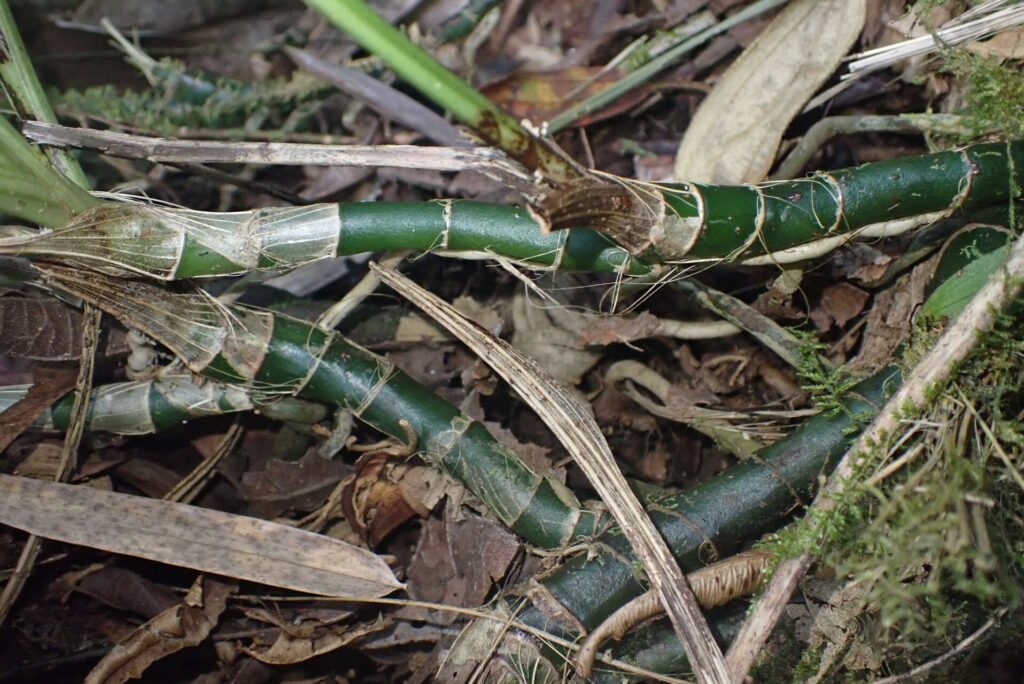
Before diving into the methods, it’s important to understand the lifecycle of this fascinating orchid. Calanthe tuberculosa is deciduous, meaning it sheds its leaves annually. Don’t be alarmed when you see those leaves fading! This dormancy period is natural and essential for the plant’s cycle. It’s during this time that new growths, called “pseudobulbs,” emerge from the older, wrinkled ones.
-
Division: This is the most common and arguably the easiest method for propagating Calanthe tuberculosa. Here’s how:
- Timing is Key: The ideal time for division is during repotting, preferably in spring as the plant breaks dormancy and new growth becomes visible.
- Gently Remove: Carefully lift the plant from its pot and remove any loose soil.
- Identify Divisions: Look for clumps of at least three healthy pseudobulbs with active roots. You can use a sterilized knife or shears to separate these clumps.
- Potting Up: Plant the divisions in well-draining orchid potting mix, ensuring the base of the pseudobulbs sits at or slightly above soil level. Water lightly until new growth establishes.
-
Backbulb Propagation: Backbulbs are the older, more wrinkled pseudobulbs. While less reliable than division, they can sometimes surprise you with new growth. Here’s the process:
- Select and Prepare: Choose firm backbulbs with no signs of rot.
- Potting Medium: Prepare a tray or pot with moist sphagnum moss or a very fine orchid mix.
- Patience is Key: Lay the backbulbs horizontally on the medium, ensuring good contact. Cover the container with plastic wrap to maintain humidity and place it in a warm, well-lit area out of direct sunlight.
- Waiting Game: This method requires patience. It may take several months for new growths to emerge. Once new roots and leaves develop, you can transplant the small plants into individual pots.
Caring for Your New Calanthe Tuberculosa:
Newly propagated plants thrive in similar conditions to mature ones. Provide:
- Bright, indirect light: Avoid harsh sunlight that can scorch the leaves.
- Warm Temperatures: Keep temperatures between 65-80°F (18-27°C) during the growing season.
- High Humidity: Aim for around 50-70% humidity. Tray with pebbles and water can help achieve this.
- Consistent Watering: Water thoroughly when the potting mix approaches dryness. Reduce watering during dormancy.
- Feeding: Use a balanced fertilizer diluted to half strength every two weeks during the growing season.
Propagating your own Calanthe tuberculosa is a rewarding experience that allows you to expand your collection and share the joy of these enchanting orchids. With a little patience and care, you’ll be welcomed with stunning blooms for years to come!