
Propagating the Slipper Flower: A Gardener’s Guide to Calceolaria cavanillesii
Introduction:
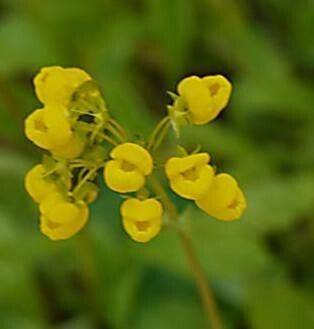
Calceolaria cavanillesii, commonly known as the slipper flower or Darwin’s slipper flower, is a captivating species prized for its unique, inflated, pouch-like flowers resembling tiny slippers. These flowers, often in vibrant shades of yellow and orange, are a delightful addition to any garden or conservatory. While not as widely cultivated as some other Calceolaria species, its distinct beauty and relative rarity make it a coveted plant among enthusiastic gardeners. Propagating this species presents certain challenges, making successful cultivation all the more rewarding.
Seed Germination:
Currently, there are no known reliable methods for seed germination propagation of Calceolaria cavanillesii. While some Calceolaria species readily propagate from seed, this particular species appears to exhibit low germination rates and significant challenges in establishing seedlings. Further research is needed to determine optimal germination conditions, if any exist.
Cuttings:
Cuttings offer a more promising avenue for propagating Calceolaria cavanillesii.
Challenges: Calceolaria cuttings can be prone to rot if not handled carefully. The success rate is moderate, and it requires attention to detail.
Practical Tips: Take semi-hardwood cuttings in late spring or early summer from healthy, non-flowering stems. Use a sharp, sterile blade to prevent the spread of disease. Dip the cut ends in rooting hormone powder to encourage root development. Plant the cuttings in a well-draining potting mix, such as a peat-based mix amended with perlite. Maintain high humidity through propagation covers or misting. Avoid overwatering which can lead to fungal infections.
Rewards: Cuttings provide a relatively quick method of propagating genetically identical plants of a desired cultivar. This ensures that the unique characteristics of the parent plant are preserved.
Division:
Division is not a practical method for propagating Calceolaria cavanillesii. This species typically forms a relatively compact root system and is not conducive to division without significant damage to the plant.
Tissue Culture:
Tissue culture presents a potentially viable, though complex, method for propagating Calceolaria cavanillesii.
Challenges: Tissue culture requires specialized equipment, sterile techniques, and a thorough understanding of plant tissue culture protocols. It is time-consuming and can be expensive.
Practical Tips: This necessitates expert knowledge and access to a suitable laboratory environment. Success depends on identifying optimal media compositions, growth regulators, and sterilization techniques.
Rewards: This sophisticated method offers the potential for mass production of genetically identical plants, overcoming the challenges of seed germination and cuttings.
Conclusion:
Propagating Calceolaria cavanillesii presents a unique set of challenges. While seed germination has proved unreliable, cuttings offer a moderately successful method with careful attention. Division is not feasible, and tissue culture, although potentially rewarding for large-scale propagation, demands specialized equipment and expertise. The inherent difficulties involved, however, only amplify the satisfaction derived from successfully growing this beautiful species from cuttings, highlighting the diligence and patience needed to cultivate this unique plant. Don’t be discouraged by the challenges; experiment with cuttings, learn from any setbacks, and celebrate every successful propagation – it’s a testament to your dedication and horticultural skill. With patience and care, the mesmerizing slipper flowers will reward your efforts with their enchanting blossoms.