
Propagating Hydrangea xanthoneura: Unveiling the Secrets of the Lacecap Hydrangea
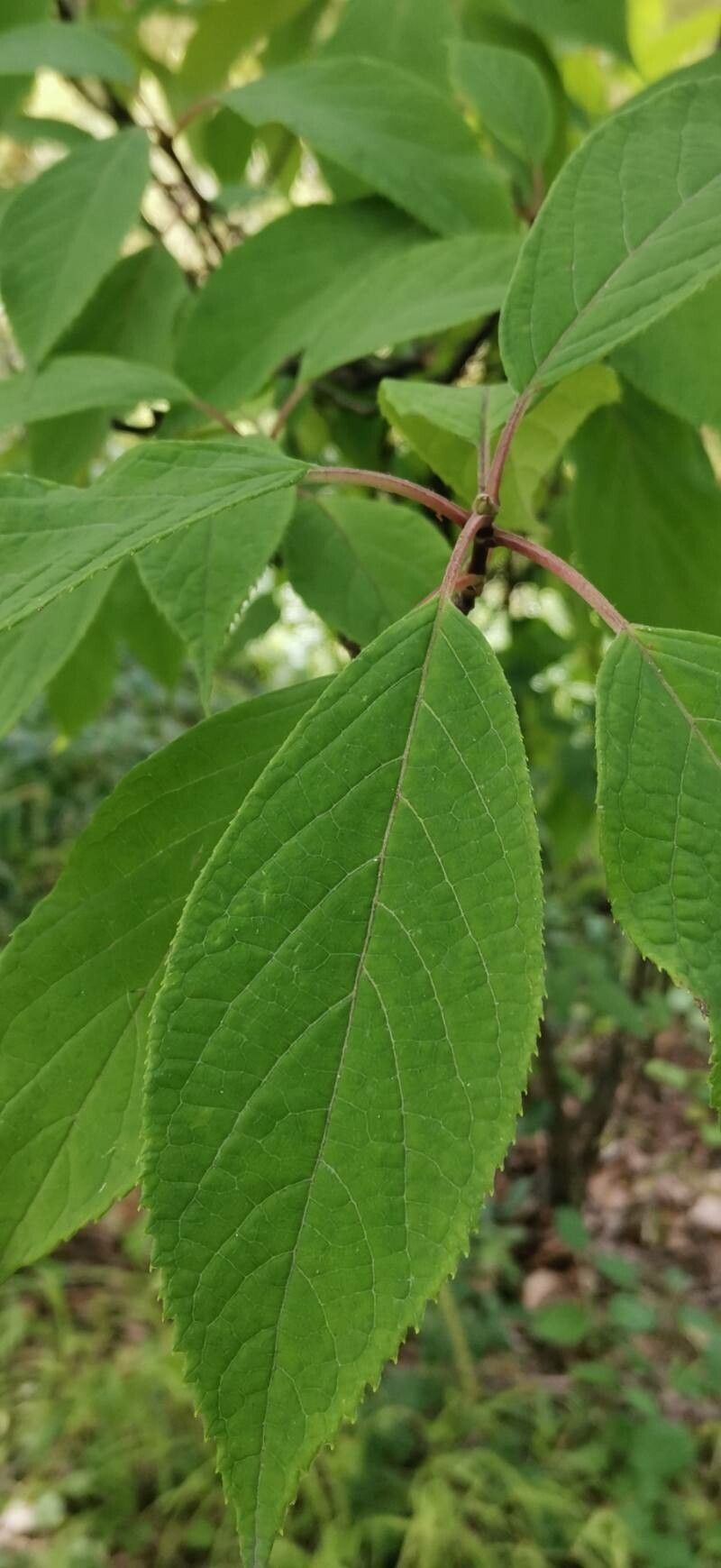
Hydrangea xanthoneura, commonly known as the Lacecap Hydrangea or sometimes the Yellowvein Hydrangea, is a captivating shrub prized for its large, flat-topped inflorescences featuring a ring of showy sterile florets surrounding a central cluster of fertile flowers. Its distinctive, veined foliage adds another layer of visual interest, contributing to its popularity among gardeners seeking both beauty and unique characteristics. However, propagation of this species presents its own set of challenges, making successful cultivation all the more rewarding.
Seed Germination:
Currently, there are no known reliable methods for seed germination propagation of Hydrangea xanthoneura. While the plant does produce seeds, germination rates are notoriously low, and even when seeds germinate, the resulting plants often exhibit significant variation from the parent plant, potentially losing desirable traits. Therefore, seed propagation is generally not considered a practical method for this species.
Cuttings:
Cuttings offer a more reliable method for propagating Hydrangea xanthoneura. The best time for taking cuttings is during the late spring or early summer, when the plant is actively growing.
Challenges: Hydrangeas can be somewhat challenging to root from cuttings. Success rates depend heavily on providing optimal conditions for root development – humidity, temperature, and proper rooting hormone application.
Practical Tips: Take semi-hardwood cuttings, approximately 4-6 inches long, from the current season’s growth. Remove lower leaves to prevent rotting. Dip the cut ends in a rooting hormone powder and plant them in a well-draining propagation mix (e.g., a mix of perlite and peat moss). Cover the cuttings with a plastic bag or humidity dome to maintain high humidity. Keep the cuttings warm (around 70-75°F) and consistently moist but not waterlogged. Rooting can take several weeks to months.
- Rewards: Cuttings provide a relatively quick and efficient method to produce genetically identical plants to the parent, preserving desirable traits.
Division:
Division is another feasible propagation method, particularly suitable for established, larger plants.
Challenges: This method is only practical for mature plants with well-developed root systems. Improper division can damage the plant and reduce its chances of survival.
Practical Tips: The best time for division is during early spring or late autumn, when the plant is dormant. Carefully dig up the entire plant, gently separate the root ball into smaller sections, ensuring each section has sufficient roots and stems. Replant the divisions immediately, ensuring they are planted at the same depth as the original plant.
- Rewards: Division allows for a quick increase of the number of plants and maintains the genetic characteristics of the mother plant.
Tissue Culture:
Tissue culture is a more advanced propagation method that offers the potential for large-scale propagation of Hydrangea xanthoneura.
Challenges: This method requires specialized equipment, sterile conditions, and expertise in plant tissue culture techniques. It is also relatively expensive and time-consuming.
Practical Tips: This method involves sterilizing plant tissue samples (e.g., shoot tips, nodal segments) and culturing them on a nutrient-rich agar medium under controlled conditions. Once the tissue has grown into plantlets, they can be transplanted into individual pots.
- Rewards: Tissue culture allows for the rapid and mass production of genetically identical plants, and it can be used to eliminate diseases and produce virus-free plants.
Conclusion:
Propagating Hydrangea xanthoneura presents unique challenges across all methods. Seed germination is unreliable, while cuttings, division, and especially tissue culture require specific skills and conditions. However, the rewards are considerable. The satisfying accomplishment of nurturing a cutting into a thriving plant, or successfully dividing a mature shrub, surpasses the difficulties involved. The elegance and unique beauty of this hydrangea make the effort worthwhile. For aspiring propagators, starting with cuttings is recommended for its relatively high success rate and accessibility. Don’t be discouraged by setbacks; persistence and attention to detail are crucial to achieving success in propagating this delightful shrub.