
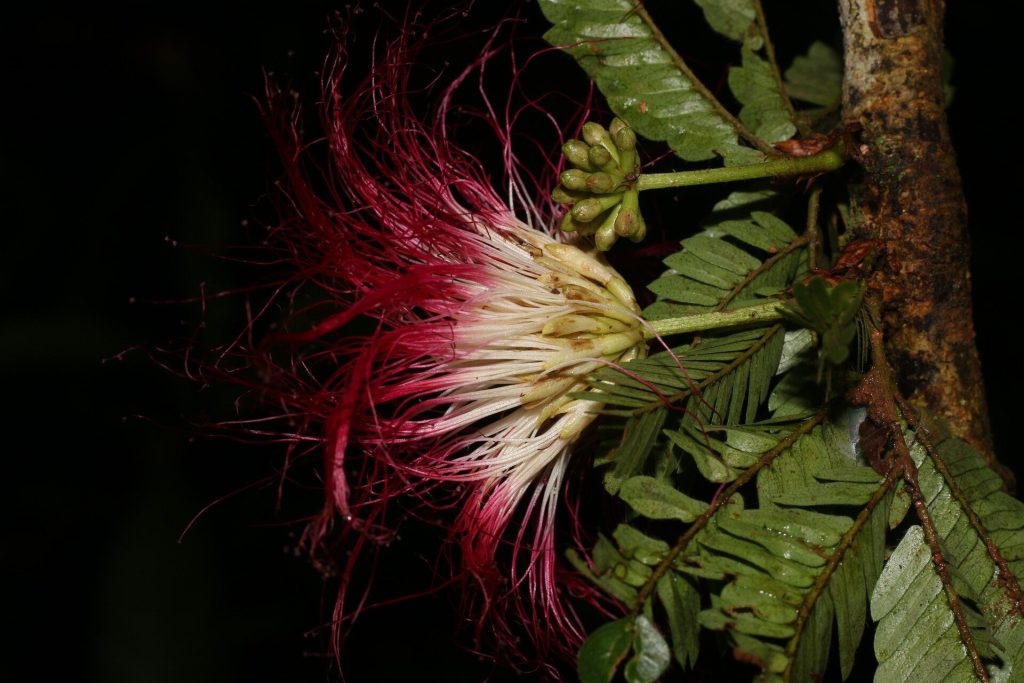
Propagating the Pink Powder Puff: A Guide to Calliandra bijuga
Introduction:
Calliandra bijuga, commonly known as the Pink Powder Puff or Timor Red, is a captivating shrub cherished for its vibrant, fluffy pink flower heads. These showy blooms, resembling powder puffs, attract pollinators and add a striking focal point to gardens. Its relatively fast growth rate and tolerance of various soil conditions contribute to its popularity among gardeners. However, propagating this beauty can present unique challenges, demanding patience and technique. This article explores different propagation methods for Calliandra bijuga, weighing their viability and effectiveness.
Seed Germination:
Currently, there are no known reliable methods for seed germination propagation of Calliandra bijuga. While seeds may be produced, their germination rate is notoriously low and unpredictable. Factors like dormancy mechanisms and specific environmental requirements remain largely unstudied. Therefore, relying on seed propagation for this species should be considered unreliable.
Cuttings:
Viability: Cuttings are a viable and relatively successful method for propagating Calliandra bijuga.
Challenges: The success rate depends heavily on the timing and technique. Hardwood cuttings taken during the dormant season (depending on your climate) tend to root more readily. However, even with ideal conditions, rot can be a significant problem.
Practical Tips: Take semi-hardwood or hardwood cuttings, approximately 4-6 inches long, from healthy, non-flowering stems. Remove lower leaves to prevent rot and dip the cut ends in rooting hormone powder. Plant them in a well-draining potting mix, maintaining high humidity (e.g., using a propagation dome or plastic bag) and consistent moisture without overwatering. Bottom heat can significantly improve rooting success.
Rewards: Cuttings offer a reliable way to produce genetically identical plants, preserving desirable traits. It’s relatively simple compared to other methods, making it suitable for home gardeners.
Division:
Viability: Division is a possible method, particularly for established, mature plants.
Challenges: Calliandra bijuga doesn’t readily lend itself to division as its root system can be compact and quite delicate. Rough handling during division can severely damage the plant, jeopardizing the survival of both parent plant and divisions.
Practical Tips: Division should only be attempted in spring or early autumn when the plant is actively growing or beginning its new growth cycle. Carefully dig up the entire plant, gently separate the root ball into smaller sections, ensuring each division has sufficient roots and stems. Replant immediately into well-prepared soil.
Rewards: Division provides a quick way to increase the number of plants, especially if the original plant is large and vigorous.
Tissue Culture:
Viability: Tissue culture offers a viable pathway for large-scale propagation of Calliandra bijuga.
Challenges: This method requires specialized equipment, a sterile environment, and specialized knowledge of plant tissue culture techniques. It is not suitable for home gardeners. Developing a reliable protocol for Calliandra bijuga might require experimentation to optimize the culture media and growth regulators.
Practical Tips: This method necessitates access to a laboratory equipped for sterile plant tissue culture. Experienced technicians are essential to develop and maintain sterile cultures and to successfully acclimatize the plantlets for transfer to soil.
Rewards: Tissue culture offers a rapid and efficient means to produce a high number of genetically uniform plants, making it ideal for commercial propagation and conservation efforts.
Conclusion:
Propagating Calliandra bijuga presents unique challenges across all methods. While seed germination appears unreliable, cuttings offer a practical solution for the home gardener, demanding attention to detail and proper technique to prevent rot. Division is limited by the plant’s root structure and requires careful handling. Tissue culture presents a potential for mass propagation but demands specialized knowledge and resources.
Successfully cultivating this plant from cuttings, or via the more advanced technique of tissue culture, yields a profound sense of accomplishment. The effort invested is repaid tenfold with the reward of this vibrant and beautiful shrub gracing your garden. Don’t be discouraged by initial setbacks; persistence and attention to detail are keys to success in propagating the Pink Powder Puff. Remember that consistent care is crucial, regardless of the method employed, from careful watering to protection from harsh conditions. With patience and careful attention, you can enjoy the rewarding experience of growing this stunning plant.